


Nov 05-2026
Join Us in Frankfurt | Zhaoyi Bio at Fi Europe 2026
READ MORE >
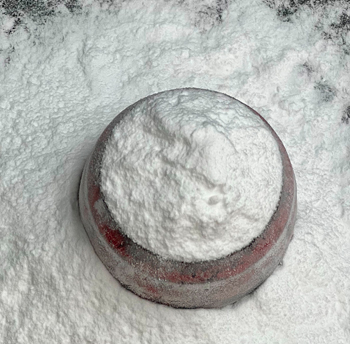
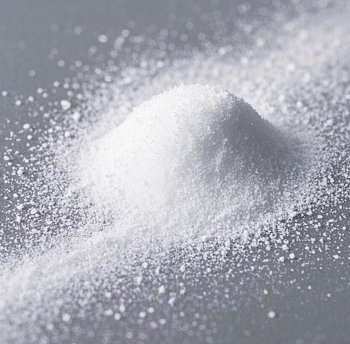
Calcium lactate is an organic calcium salt formed when lactose is oxidized to produce lactic acid and then combines with calcium ions. It has a galactose-glucose disaccharide backbone, appears as a white flowing powder, dissolves very well in water, and the solution is clear and stable.

| Sodium Alginate |  |
CAS Number | 110638-68-1 |
Molecular Weight | 790.68 |
Molecular Formula | C24H42CaO24·2H2O |
Solubility | Very soluble in water at 25°C, ≥100 g/L; almost insoluble in ethanol, ether, and acetone |
Color | White to off-white |
Taste | Odorless, mild taste, almost no bitterness, slight sweet flavor |
Form | Crystalline powder, hygroscopic, should be stored in a sealed container |
Melting Point | around 190 °C |
Boiling Point | Decomposes upon heating, no actual boiling point |
1. It dissolves really well, with a standout advantage in liquid formulas. The solution is clear and transparent, doesn't easily precipitate across a wide pH range, making it great for oral liquids and clear beverage systems.
2. It's gentle on the stomach—being an organic calcium gluconate, it doesn't rely heavily on stomach acid, and side effects like bloating and constipation are much lower than with calcium carbonate, so it's friendly for people with sensitive stomachs.
3. On top of supplementing calcium, it also offers the physiological benefits of gluconic acid: moisturizing and antioxidant properties, and it can help with mineral absorption.
4. It's highly compatible with other ingredients, so you can mix it with vitamins and various nutrients without worrying about flocculation or precipitation.
Injection-grade raw materials, used in intravenous calcium supplements; excipients for eye drops.
Liquid calcium oral solutions, clear solid drinks; due to low calcium content, often used in high-end, gentle calcium formulas.
Solidifier and stabilizer in pudding premix powders, improves food texture.
Skin conditioning and moisturizing materials, used in skincare products.