



Nov 05-2026
Join Us in Frankfurt | Zhaoyi Bio at Fi Europe 2026
READ MORE >
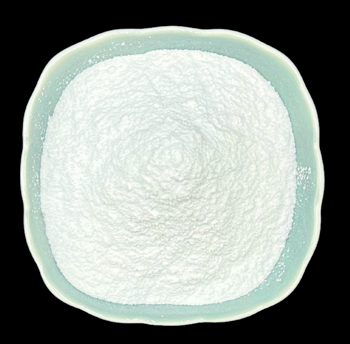
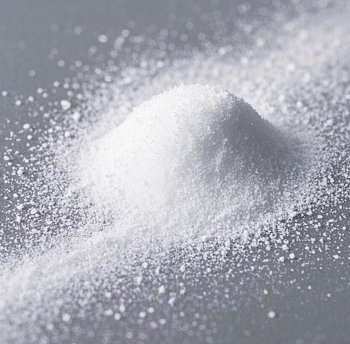
Calcium lactate is an organic carboxylate formed from lactic acid and calcium ions. It's white crystalline granules or powder that easily weathers in the air. It's soluble in cold water and even more soluble in hot water, with the solution being nearly neutral. Compared to inorganic calcium sources like calcium carbonate, it causes less stomach irritation, dissolves well, gives a clear solution, and has a mild taste, making it a widely used calcium source in food and health supplements.

| Sodium Alginate |  |
CAS Number | 63690-56-2 |
Molecular Weight | 308.30 |
Molecular Formula | C6H10CaO6·5H2O |
Solubility | About 7-9 g/100 mL in water at 25℃; solubility increases significantly in hot water; slightly soluble in methanol; almost insoluble in ethanol, ether, chloroform |
Color | White to off-white |
Taste | Almost odorless, mild taste, very slight lactic flavor, almost no bitterness |
Form | Crystalline powder/granules; pentahydrate easily weathers in air |
Melting Point | Pentahydrate loses water of crystallization at 120℃ |
Boiling Point | Decomposes on heating, no boiling point |
1. Gentle calcium supplement, stomach-friendly: Organic calcium salts are less dependent on stomach acid, with significantly lower side effects like bloating and constipation compared to calcium carbonate, making them suitable for the elderly, children, and people with sensitive stomachs.
2. Good absorption: Lactate ions can participate in metabolism and are less likely to form precipitates with phytic or oxalic acids, so their bioavailability is better than most inorganic calcium sources.
3. Supports bone and teeth health: Provides calcium ions to promote bone and teeth mineralization, preventing issues like bone loss and cramps caused by calcium deficiency.
4. Regulates nerve and muscle activity: Helps relieve hand and foot spasms or muscle cramps caused by calcium deficiency, and maintains normal heart muscle and electrolyte balance.
5. Excellent processing performance: Good solubility, clear solutions, very mild metallic taste, suitable for beverages and solid drink formulations, while also offering coagulation and buffering stability.
calcium tablets, chewables, capsules, solid drinks, calcium products for the general population, pregnant women, and middle-aged and elderly people.
Formulated milk, milk powder, plant protein drinks, solid drinks, candies, baked goods, cereal products, used as calcium fortifiers.
Jelly, pudding, can also act as gelling agents and acidity regulators; improves texture while also adding calcium.
Electrolyte powders, to replenish calcium lost during exercise.
oral calcium supplements, used to prevent hypocalcemia and tetany.