
Nov 05-2026
Join Us in Frankfurt | Zhaoyi Bio at Fi Europe 2026
READ MORE >
Creatine hydrochloride is a creatine salt formed by combining creatine with hydrochloric acid. It's commonly used in sports nutrition and dietary supplement formulas. It's a guanidinoacetic acid derivative and not an alpha amino acid. Compared to creatine monohydrate, its water solubility is greatly improved, so it can be made into clear liquid formulations. It's mostly used in research and, once in the body, it breaks down into free creatine to exert its physiological effects.

| Sodium Alginate |  |
CAS Number | 17031-53-7 |
Molecular Weight | 167.61 |
Molecular Formula | C4H10ClN3O2 |
Solubility | Very soluble in water at 25°C, about ≥300 g/L; almost insoluble in ethanol and acetone; aqueous solution is acidic, pH≈2-3; relatively stable under acidic conditions, easily hydrolyzes to creatinine in alkaline environments |
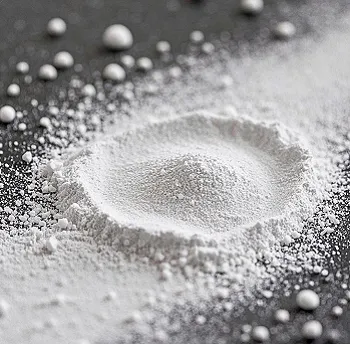
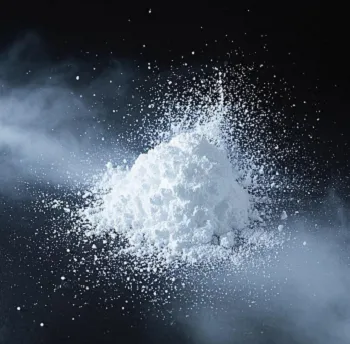
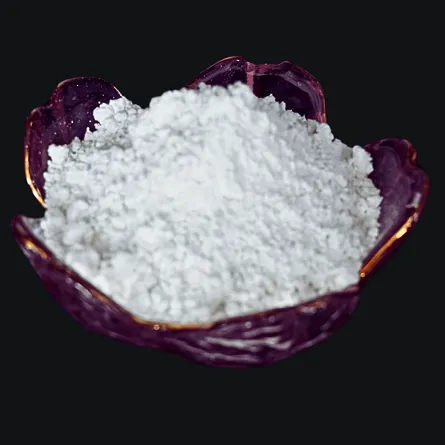
Color | White to off-white crystalline powder |
Taste | Sour, with a slightly weak bitter taste characteristic of creatine |
Form | Crystalline powder, moderately hygroscopic, store sealed and dry |
Melting Point | No true melting point, decomposes when heated above 210 °C |
Boiling Point | Decomposes upon heating, no actual boiling point |
1. High-intensity exercise energy support: boosts skeletal muscle creatine phosphate stores, speeds up ATP regeneration, enhances explosive power and strength output, and shortens recovery time after high-intensity workouts.
2. Excellent solubility, much better than creatine monohydrate, can be made into clear liquid forms, dissolves instantly when stirred, and rarely clumps.
3. Gentle on the stomach, with fewer cases of bloating or stomach discomfort compared to the same amount of creatine for some people.
4. Supports lean muscle gain; combined with resistance training, helps increase muscle mass and reduces post-workout muscle damage.
5. Brain energy support: the brain also uses creatine phosphate, which can help with cognition and reduce mental fatigue.
Oral liquids, functional drinks, using high solubility to create a clear, transparent formula—a form that's hard to achieve with monohydrate creatine.
Raw materials for sports nutrition and pharmacological cell experiments.
Tablets, capsules, solid drinks—mainstream sports nutrition ingredients, aimed at people who do strength training.