

Nov 05-2026
Join Us in Frankfurt | Zhaoyi Bio at Fi Europe 2026
READ MORE >
Ferrous glycinate is an amino acid chelated iron made from ferrous ions and two molecules of glycine. It's often used in dietary supplements and food fortification. It's absorbed through amino acid transport pathways, so it's less affected by inhibitors like phytic acid, oxalate, calcium, and zinc, making it more bioavailable than inorganic iron salts like ferrous sulfate. Its chelated structure reduces free iron release, so it's gentle on the stomach, has a mild iron taste, and provides both iron and glycine nutrition.

CAS Number | 20150-34-9 |
Molecular Weight | 239.99 |
Molecular Formula | C4H8FeN2O4·2H2O |
Solubility | Easily soluble in water; slightly soluble in ethanol; insoluble in oils, acetone, and other organic solvents |
Color | Gray-green to dark brown (varies with oxidation level) |
Taste | Basically no metallic taste, almost tasteless |
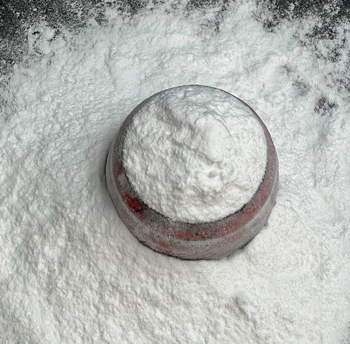
State | Crystalline powder |
Melting Point | >162°C, decomposes when heated, no clear melting point |
Boiling Point | No boiling point, decomposes upon heating |
1. High absorption, less absorption interference: In amino acid chelate form, absorbed through peptide transport channels, bypassing some dietary inhibitors, bioavailability is better than inorganic iron salts.
2. Excellent gastrointestinal tolerance: greatly reduces common iron supplementation side effects like nausea, stomach discomfort, and constipation, suitable for pregnant women, children, and people with sensitive stomachs for long-term iron supplementation.
3. Improves iron deficiency, prevents iron-deficiency anemia: provides divalent iron, participates in hemoglobin synthesis, improves pale complexion, fatigue, dizziness caused by iron deficiency, and supports blood formation.
4. Outstanding sensory advantages: mild metallic taste, less likely to stain teeth, weak catalytic effect on vitamin and fat oxidation in formulas, good product stability.
5. Dual nutrition supply: supplements both iron and glycine, with glycine participating in protein synthesis and antioxidant metabolism.
6. Supports the immune system: iron participates in the production and development of immune cells, maintaining normal immune function.
Tablets, capsules, and solid drinks, mainly targeting iron supplementation formulas for pregnant women, women, and children.
Iron fortifiers for foods like formulated milk powder, cereal products, soybean powder, biscuits, solid drinks, and soy sauce.
Sports nutrition powders to replenish iron lost during exercise and help reduce fatigue.
Can be used in mineral oral liquids; clear solution after dissolving with minimal off-flavor.
Meal replacements and specially formulated medical foods, used as iron nutrition fortification ingredients.