
Nov 05-2026
Join Us in Frankfurt | Zhaoyi Bio at Fi Europe 2026
READ MORE >
Glycine boron is an organic chelated boron compound formed by boron coordinating with three molecules of glycine. It's commonly used in dietary supplements and animal feed formulas, providing both boron and glycine. Compared to inorganic boron like boric acid and borax, it’s easier on the stomach and has higher bioavailability.

| Sodium Alginate |  |
CAS Number | 77356-05-9 |
Molecular Weight | 287.02 |
Molecular Formula | B(H2NCH2COO)3·3H2O |
Solubility | Very soluble in water at 25℃; almost insoluble in ethanol, acetone, ether; aqueous solution pH 5.0–7.0, extreme pH changes can cause ligand dissociation |
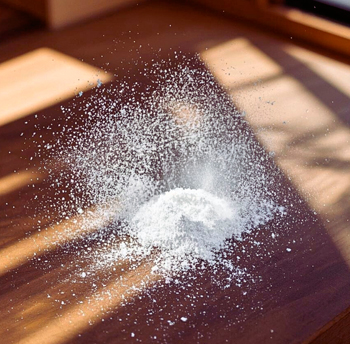
Color | White to off-white crystalline powder |
Odor | Odorless, slightly sweet taste, no obvious metallic smell |
State | Crystalline powder, not hygroscopic, good stability at room temperature, store in a sealed and cool place |
Melting Point | No true melting point, thermal decomposition occurs above 185 ℃, boron ligands dissociate and volatilize |
Boiling Point | Decomposes directly upon heating, no actual boiling point |
1. Bone and joint care: Boron can improve the utilization of calcium, magnesium, and vitamin D, reduce bone loss, ease joint soreness, and maintain bone density.
2. Hormone metabolism regulation: It participates in the synthesis and metabolism of sex hormones in the body, helping to keep hormone levels stable.
3. Dual nutrition supply: Supplements both boron and glycine; glycine is involved in protein synthesis and acts as an antioxidant.
4. Antioxidant and low-level inflammation regulation: Helps reduce oxidative stress in the body and improves joint-related inflammatory responses.
5. Gentle absorption and low irritation: Chelated organic form, which is less irritating to the digestive tract compared to inorganic boron salts.
Tablets and capsules, mainly marketed overseas as complex formulas for bone and joint health, serving as a source of organic boron.
Premixes for livestock, poultry, and aquaculture, correcting boron deficiency in animals and supporting bone health and reproductive performance.
Powders largely exported to the dietary supplement market in Europe and the US; domestically, limited to company-standard exports and feed use, prohibited for ordinary food.
Used in nutrition and animal studies to explore the physiological functions of boron.