


Nov 05-2026
Join Us in Frankfurt | Zhaoyi Bio at Fi Europe 2026
READ MORE >
Lithium ascorbate is an organic salt formed from lithium ions and L-ascorbic acid (vitamin C). It's often used in low-dose dietary supplements and neuro-related nutrition formulas, providing both lithium and vitamin C. It's more water-soluble than inorganic lithium salts and generally easier on the stomach thanks to its organic carrier.

| Sodium Alginate |  |
CAS Number | 80781-74-4 |
Molecular Weight | 182.06 |
Molecular Formula | C6H7LiO6 |
Solubility | Very soluble in water at 25℃; almost insoluble in ethanol, acetone, ether; aqueous solutions are easily oxidized by oxygen |
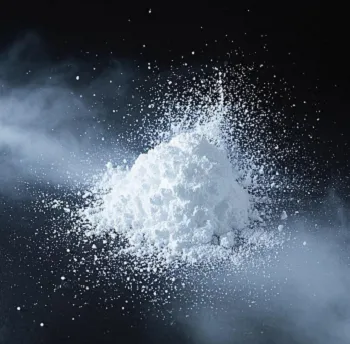
Color | White to off-white crystalline powder |
Taste | Slightly acidic, almost no metallic bitterness |
State | Crystalline powder, strongly reducing, easily oxidizes and turns yellow when exposed to light, heat, or air; should be stored sealed, protected from light, and kept cool |
Melting Point | No true melting point, decomposes thermally above 160 ℃, also oxidatively degrades |
Boiling Point | Directly decomposes when heated, no actual boiling point |
1. Dual active supply, providing both lithium and vitamin C; vitamin C has strong antioxidant properties, boosts collagen production, helps with iron absorption, and supports the immune system.
2. Neuroprotection and mood regulation: lithium can inhibit the GSK-3β pathway, support neuron survival, help stabilize mood, and combat oxidative damage to nerve cells.
3. Better absorption than inorganic lithium salts, water-soluble, dissolves and absorbs more efficiently than lithium carbonate, with less gastrointestinal irritation.
4. Antioxidant synergy: vitamin C clears free radicals, reduces oxidative stress in the body, and works together with lithium to protect nerve cells.
5. Supports long-term brain health: studies suggest that low-dose lithium may help slow neurodegenerative changes and maintain cognitive stability.
Tablets and capsules, mainly focused on mood support and brain care complex formulas, using a low-dose lithium supplementation plan.
For neuropharmacology studies, used in cell and animal experiments to study the neuroprotective mechanisms of lithium salts.
As a candidate organic lithium raw material, used to compare with lithium carbonate for pharmacological safety studies.