


Nov 05-2026
Join Us in Frankfurt | Zhaoyi Bio at Fi Europe 2026
READ MORE >
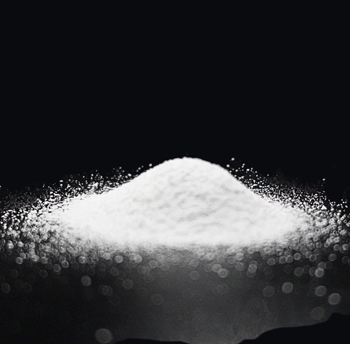
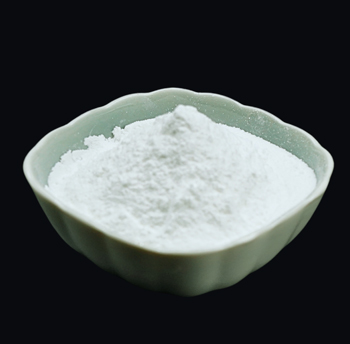
Magnesium lactate is an organic carboxylate formed from lactic acid and magnesium ions. It's a white to off-white crystalline powder that dissolves well in hot water and is slightly soluble in cold water. Compared to inorganic magnesium sources like magnesium oxide or magnesium sulfate, it's gentler on the stomach and cost-effective, making it a commonly used organic magnesium source. Lactic acid participates in metabolism in the body and doesn't easily form precipitates with phytic or oxalic acid, giving it better bioavailability than most inorganic magnesium salts.

Sodium Alginate |  |
CAS Number | 18917-93-6 |
Molecular Weight | 256.49 |
Molecular Formula | C6H10MgO6·3H2O |
Solubility | About 50-60 g/L in water at 20°C, significantly more soluble in hot water; slightly soluble in methanol, almost insoluble in ethanol, acetone, and ether |
Color | White to off-white |
Taste | Odorless, slightly bitter with a hint of saltiness |
Form | Crystalline powder/granules, hygroscopic, should be stored sealed |
Melting Point | No true melting point; loses crystallization water at 80-120°C, decomposes thermally above 220°C |
Boiling Point | Decomposes on heating, no boiling point |
1. Gentle magnesium supplement with low risk of diarrhea: Its organic acid structure is gentler on the gut compared to magnesium sulfate, making it suitable for long-term daily use.
2. Supports energy metabolism: Magnesium acts as a coenzyme for hundreds of enzymes, aiding sugar metabolism and helping reduce fatigue; lactate can provide energy through metabolic pathways in the body.
3. Maintains muscle and nerve function: Helps relax muscles, reduce cramps, stabilize nerve activity, and ease tension.
4. Supports bone health: Participates in bone mineralization and works together with calcium and vitamin D to maintain bone density.
5. Electrolyte balance: Helps maintain a normal heart rhythm and keeps the body's electrolytes in balance.
6. Friendly taste: Mild smell, light on metallic taste, easy to mix into food formulas.
Formulated milk powder, yogurt, plant-based drinks, solid drinks, baked goods, cereal products, used as a magnesium fortifier.
Sports powders, electrolyte drinks, to replenish magnesium lost during exercise.
Can be used in infant formula foods and meal replacement products.
Can also act as an acidity regulator and buffer, improving product pH and system stability.
Tablets, capsules, solid drinks, aimed at supplementing magnesium for the general public and athletes.