Mar 20-2026
Zhaoyi Bio Glycinate Chelates: High-Absorption Mineral Ingredients for Next-Generation Supplements
READ MORE >
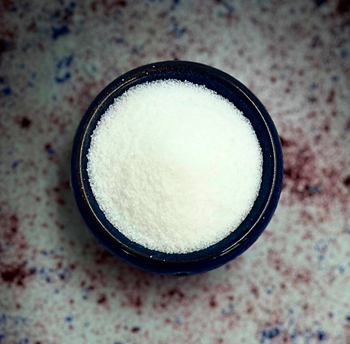
Theacrine (also known as 1,3,7,9-tetramethyluric acid) is a naturally occurring purine alkaloid found in some teas and coffee species — most notably in the leaves of Camellia assamica var. kucha.
Because the theacrine has a molecular structure very similar to caffeine but with distinct differences, it offers a unique set of potential benefits without many of caffeine’s drawbacks.
Gentle yet effective stimulation of mind & body: Theacrine acts on adenosine and dopamine signaling, promoting alertness, motivation, and energy without rapidly building tolerance — so you’re less likely to experience the “crash” often associated with caffeine.
Anti-inflammatory & analgesic properties: Animal-based studies show that Theacrine can reduce inflammation and relieve pain — effects not observed with caffeine under the same conditions.
Safe for regular use: A human trial with daily Theacrine supplementation (200–300 mg/day) over 8 weeks reported no adverse changes in heart rate, blood pressure or other safety markers — and no tolerance buildup.
Using a lab-produced, high-purity Theacrine ensures:
Consistent chemical composition and potency,
Low risk of impurities or variable ingredient levels (common in natural extracts),
Reliable performance for use in supplements, functional foods, or other formulations.
This makes synthetic Theacrine an ideal option for companies or consumers seeking a predictable, controllable wellness ingredient.
People needing gentle energy boosts without overstimulation, such as professionals facing long work hours or demanding mental tasks.
Individuals sensitive to caffeine’s “jitters” but still wanting improved focus, motivation or cognitive support.
Those interested in potential anti-inflammatory or mood-enhancing support — though note that more human research is still needed.
Theacrine isn’t a miracle pill — but used wisely, it offers a promising, science-informed option for modern lifestyles.