




Nov 27-2025
Magnesium Citrate: A Classic Choice for High Bioavailability & Digestive Wellness
READ MORE >
Hydrated lime, also known as calcium hydroxide (Ca(OH)₂), is a versatile and widely used chemical compound with many applications across a variety of industries. Its distinct properties make it indispensable in construction, environmental management, and agriculture, offering several advantages for industrial processes and human well-being. From its historic use in ancient civilizations to its modern-day applications, calcium hydroxide continues to be a key ingredient in advancing global economic development and promoting sustainability.
Hydrated lime is produced through a process called hydration of calcium oxide (quicklime), a compound obtained by heating limestone (calcium carbonate, CaCO₃) in a kiln. The reaction involves adding water to calcium oxide, resulting in the formation of calcium hydroxide and the release of heat, a process known as exothermic hydration. This heat aids in the drying and disinfecting of materials treated with hydrated lime, making it highly effective for various applications.
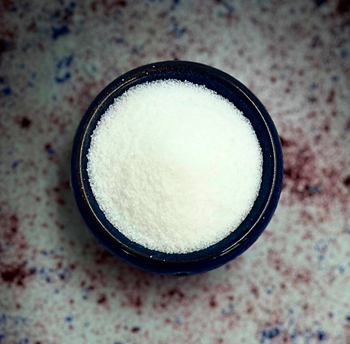
In many cases, hydrated lime is used in powdered or slurry form. When in solid powder form, calcium hydroxide can be applied directly to surfaces or mixed into solutions, making it easy to work with in a wide range of settings. The ability to modify the consistency of lime solutions is particularly advantageous in applications like water treatment, where specific concentrations and viscosity may be required.
Historically, hydrated lime has played a crucial role in construction, agriculture, and sanitation. Ancient civilizations, including the builders of the Great Wall of China and the Pyramids of Giza, used slaked lime in their construction projects. The stability and durability of structures built with lime have stood the test of time, demonstrating its efficacy as a construction material. In agriculture, the Celts utilized calcium hydroxide to fertilize their fields, especially in areas with poor limestone content. This helped improve soil fertility, allowing for more successful farming.
In modern-day applications, calcium hydroxide continues to be a foundational product in multiple sectors. It is used in construction to stabilize floors and foundations, as well as in the production of mortars and plasters. Additionally, it remains a critical component of modern-day agriculture, ensuring better soil management and providing an environmentally friendly solution to farming challenges.
Calcium hydroxide has an impressive range of applications, particularly in industries where its unique properties can be fully utilized.
Water Treatment: One of the most significant applications of hydrated lime is in water treatment. It acts as a coagulant, neutralizer, and clarifier by helping remove impurities and pollutants from water. It is widely used to treat municipal water supplies, making it safe for consumption. Lime helps to precipitate out dissolved pollutants and control the pH levels, ensuring clean and safe water. Its efficiency in neutralizing acid and precipitating out toxic substances makes it an essential chemical in water purification processes.
Gas Treatment: Hydrated lime is also effective in managing industrial gases, particularly in the capture of acidic pollutants like sulfur dioxide (SO₂) and hydrogen chloride (HCl) from industrial smoke and vapors. Its ability to neutralize and absorb acidic pollutants makes it an essential part of pollution control strategies in power plants, refineries, and manufacturing facilities. Compared to other chemical compounds, such as sodium bicarbonate, calcium hydroxide offers better reactivity and efficiency without the need for micronizing before use.
Sugar Industry: In the sugar industry, hydrated lime plays a critical role in purifying sucrose. It is used to precipitate out impurities from raw sugar, improving the quality of the final product. The use of lime in sugar refining helps produce cleaner, more refined sugar that meets industry standards for consumer consumption.
Agriculture and Animal Husbandry: Calcium hydroxide is commonly used in agriculture as a soil conditioner. It helps neutralize acidic soils, improving soil health and promoting better crop yields. In animal husbandry, hydrated lime is used to disinfect animal pens and improve hygiene by neutralizing harmful pathogens and bacteria. It also serves as an additive in animal feeds, improving animal nutrition and overall health.
Sludge Treatment: Hydrated lime is highly effective in treating sludge from wastewater treatment plants. It helps neutralize harmful microorganisms and bacteria, reducing the risk of waterborne diseases. Additionally, it helps to control odors by neutralizing the sulfur compounds that cause unpleasant smells. This makes it a vital product in maintaining sanitary conditions in wastewater treatment facilities.
The application of calcium hydroxide brings numerous advantages, especially in comparison to other chemical products. In water treatment, for example, calcium hydroxide is a more cost-effective option than sodium hydroxide, offering similar or better results at a lower price point. Furthermore, its ability to neutralize acid pollutants in industrial gas treatments is superior to many alternative methods, ensuring better environmental protection.
Additionally, calcium hydroxide's reactivity and efficiency make it an excellent choice for applications in construction, agriculture, and environmental management. Its use accelerates the kinetics of reactions, improves absorption efficiency, and guarantees higher capture rates of gaseous pollutants. As a result, it contributes to more sustainable industrial processes and environmental protection efforts.
Hydrated lime is a highly versatile and beneficial product that has applications across a variety of industries, from water treatment to construction and agriculture. Its historical significance, combined with its modern-day importance, highlights its value as a chemical compound. Whether used for stabilizing soils, purifying water, or capturing pollutants, calcium hydroxide continues to be an indispensable tool in shaping global industrial and environmental standards. Its remarkable ability to enhance safety, performance, and environmental sustainability makes it a valuable resource in today's world.