May 27-2026
Join Us at Two Major Shanghai Exhibitions in June 2026
READ MORE >
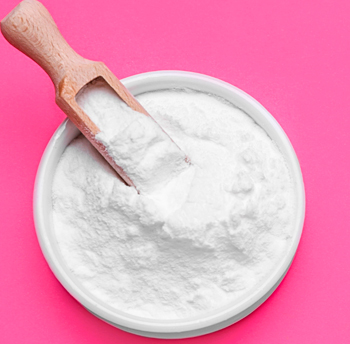
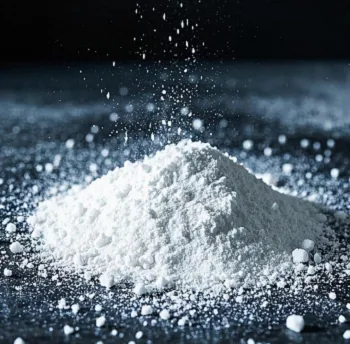
Recent studies have brought erythritol, a commonly used sugar alcohol, into the spotlight due to its potential effects on platelet activity, raising concerns about its role in cardiovascular health. Erythritol is a popular sugar substitute used in many low-calorie and sugar-free products, particularly in the keto diet market. However, a new study by researchers at the Cleveland Clinic has raised alarms about its potential to enhance blood clotting, a risk factor for heart attacks and strokes.
The research, led by Dr. Stanley Hazen, director of the Center for Cardiovascular Diagnostics and Prevention at the Cleveland Clinic Lerner Research Institute, was groundbreaking in its exploration of erythritol's effects on platelet activity. In the study, participants consumed drinks containing either 30 grams of erythritol or an equivalent amount of glucose. The results were striking. After ingesting erythritol, participants showed a significant increase in platelet responsiveness, with the ability of platelets to form clots rising dramatically. In contrast, the consumption of glucose did not affect platelet activity.
Dr. Hazen described the findings as a “first direct head-to-head comparison” between glucose and erythritol, highlighting that glucose did not impact clotting, but erythritol did. The study used 10 participants, and while the sample size was small, the results were compelling enough to warrant further investigation. Researchers found that erythritol caused blood levels to rise by a thousandfold, which then led to an enhanced clotting response. This heightened response mimics the process of a heart attack or stroke, where blood clots block the flow of blood in a vessel.
While the study raises questions about the safety of erythritol consumption, especially for individuals at risk of cardiovascular disease, experts caution that further research is necessary. Dr. Andrew Freeman, director of cardiovascular prevention and wellness at National Jewish Health, acknowledged the study’s intriguing findings but emphasized that it is premature to recommend ceasing the use of erythritol or other sugar alcohols based solely on this research. He pointed out that the study's small sample size and the high dose of erythritol used might not be representative of typical consumer behavior.
The Calorie Control Council, an industry group representing the sugar and sweetener industry, responded to the study by reiterating that erythritol has been recognized as safe for use by the U.S. Food and Drug Administration (FDA) for over 30 years. Carla Saunders, the president of the council, also stressed that the amount of erythritol used in the study was nearly four times the maximum allowable dose in a single beverage. Nonetheless, Dr. Hazen countered that the 30-gram dose used in the study is not unrealistic, as many sugar-free or low-calorie products, such as ice creams, sodas, and muffins, contain similar or higher amounts of erythritol.
Erythritol is a sugar alcohol naturally found in fruits and vegetables, and it is produced in the body in small quantities as a byproduct of glucose metabolism. It is commercially manufactured for use in various food products, including “natural” sweeteners like stevia and monk fruit. Erythritol has gained popularity because it has no aftertaste, does not cause a spike in blood sugar levels, and is considered nearly calorie-free. Additionally, it has less of a laxative effect compared to other sugar alcohols like sorbitol and xylitol. Despite these advantages, its potential effects on platelet function should not be overlooked.
Dr. Hazen’s research suggests that erythritol’s ability to enhance platelet responsiveness could have serious implications, particularly for individuals who are already at risk for heart disease or stroke. He noted that the increase in clotting risk was observed even in healthy individuals, and if this effect is amplified in people with underlying health conditions, it could contribute to a higher risk of cardiovascular events. Furthermore, studies have shown that individuals with higher levels of erythritol in their blood were twice as likely to experience heart attacks or strokes.
The recent research on erythritol underscores the need for further investigation into its long-term effects on cardiovascular health. While erythritol has been deemed safe by regulatory authorities, including the FDA, its impact on platelet activity is a cause for concern, especially for individuals with existing risk factors for cardiovascular disease. The findings suggest that consuming erythritol may enhance blood clotting, which could potentially increase the risk of heart attack or stroke. As more research is conducted, consumers may need to reconsider their use of erythritol, particularly in large quantities, until more is known about its safety.
For individuals at higher risk for cardiovascular disease, such as those with diabetes or a history of heart disease, it may be wise to choose sugar-sweetened treats in moderation rather than relying on sugar alcohols like erythritol. While the study’s results are still preliminary, they highlight the importance of being aware of the hidden contributors to heart disease, especially in the context of processed and artificially sweetened foods.