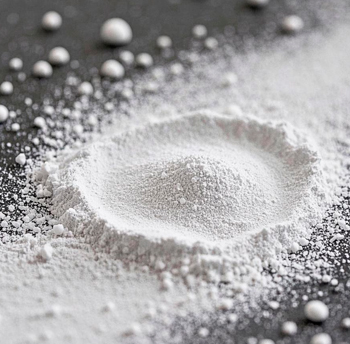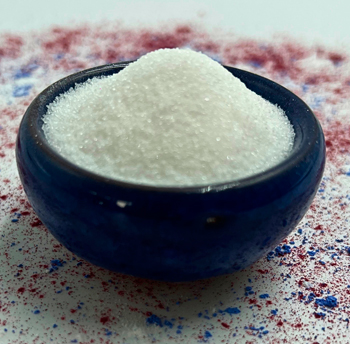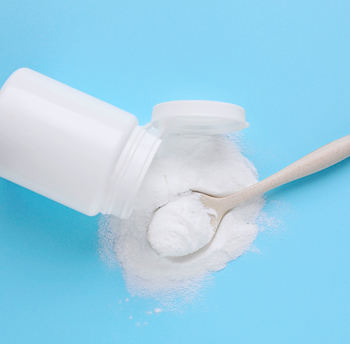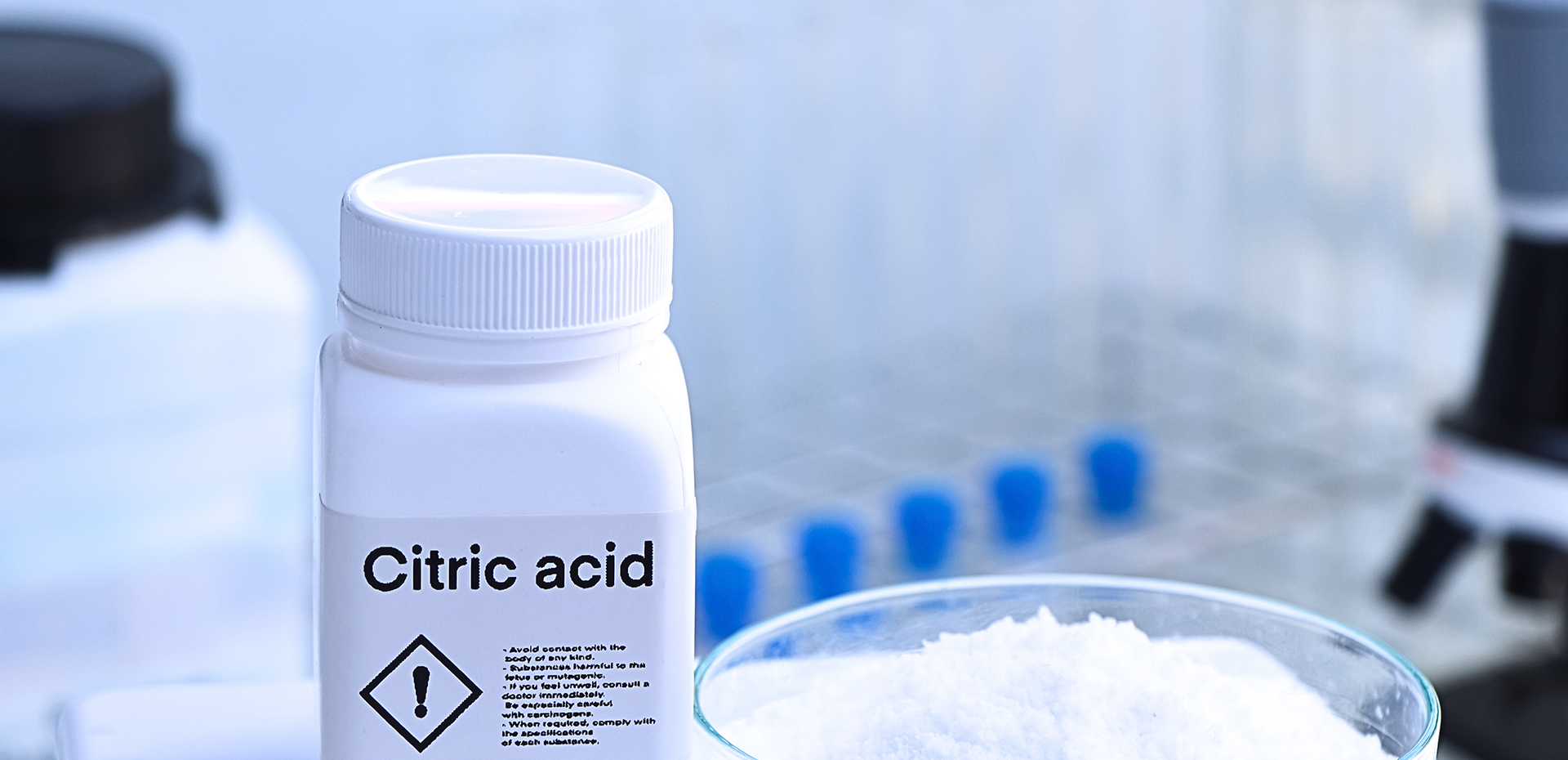
Acidity regulators like citric acid, lactic acid, and sodium citrate are essential for precise pH control in food production, enhancing safety, stability, and sensory appeal. In beverages, citric acid balances tartness and inhibits bacterial growth, while sodium citrate stabilizes emulsions in creamy dressings or dairy alternatives. Lactic acid ferments probiotic foods like yogurt, improving texture and shelf life, while sodium lactate preserves moisture and flavor in processed meats. These solutions prevent spoilage, optimize enzyme activity in baked goods, and ensure consistency in sauces, canned foods, and snacks. Compliant with global food safety standards (FDA, EFSA), they offer versatile, natural-derived options to meet clean-label trends, ensuring products maintain ideal pH levels for taste, quality, and microbial safety across diverse applications.
Acidity regulators like citric acid and sodium citrate scientifically optimize food systems by controlling pH, directly influencing taste, microbial stability, and chemical reactions. Lowering pH (e.g., via lactic acid in yogurt) creates an inhospitable environment for pathogens like E. coli and molds, extending shelf life by up to 30% while activating flavor receptors for brighter, more balanced tastes—citric acid, for example, enhances fruitiness in beverages and cuts in fatty foods. These compounds also chelate metal ions (e.g., iron, copper), inhibiting oxidative rancidity in oils and preserving color in canned vegetables. In baked goods, sodium bicarbonate buffers acidity to regulate yeast activity, ensuring consistent rise and texture. By aligning with the isoelectric points of proteins (e.g., in dairy), regulators prevent curdling and stabilize emulsions, merging sensory appeal with functional safety. Backed by pH-dependent solubility and pKa values, these solutions are indispensable for modern food science, delivering both palatability and microbial control in compliance with clean-label trends.