Feb 24-2026
Food Grade Magnesium Chloride (CAS 7786-30-3)
READ MORE >
A low-calorie monosaccharide (0.4kcal/g), mimicking sucrose’s taste with minimal glycemic impact. Used in beverages and snacks as a healthy sweetener, it appeals to diabetic or low-carb consumers seeking sugar alternatives.
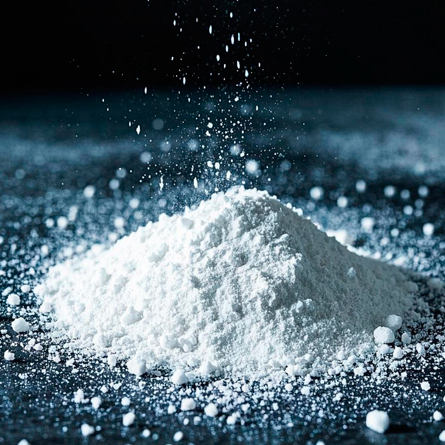
| Allulose |  |
| CAS | 551-68-8 |
| molecular weight | 180.16 |
| molecular formula | C6H12O6 |
| solubility | Slightly soluble in methanol by heating and ultrasonic treatment, slightly soluble in water by ultrasonic treatment |
| color | White |
| flavor | Sufficiently like "sugar" |
| state | Powder |
| melting point | 109 °C |
| boiling point | 551.7±50.0 °C |
Allulose, a rare natural sugar found in small amounts in foods like raisins, figs, and wheat, has emerged as a revolutionary sweetener due to its unique combination of low-calorie sweetness, blood sugar neutrality, and functional versatility. Classified as a “rare sugar” for its scarcity in nature, it offers science-backed benefits that align with modern health and dietary trends. Here’s a breakdown of its key advantages:
1. Exceptionally Low Calorie with Zero Glycemic Impact
Allulose stands out as a game-changer for calorie-conscious consumers and low-carb diets:
Minimal Caloric Load:
Provides just 0.4 calories per gram (90% fewer than sucrose, which has 4 calories per gram), allowing brands to slash calorie counts in products like sodas, snacks, and desserts without compromising sweetness. A 12-ounce allulose-sweetened soda contains fewer than 5 calories, compared to 150+ in a sugary version.
Blood Sugar & Insulin Neutrality:
Over 90% of allulose passes through the digestive system unmetabolized, meaning it does not raise blood glucose or insulin levels (glycemic index = 1, near-zero). This makes it ideal for diabetic-friendly foods, keto diets, and low-glycemic products, where stable blood sugar is critical. Studies show it won’t trigger the “sugar crash” associated with regular sugar, making it a clean energy source for sustained focus.
2. Sugar-like Taste & Texture with No Aftertaste
Allulose mimics sucrose’s sweetness and mouthfeel without the drawbacks of other low-calorie sweeteners:
Authentic Sweetness Profile:
Offers 70% of sucrose’s sweetness with a clean, neutral taste—no cooling, bitter, or metallic aftertaste (common in erythritol or stevia). This makes it perfect for artisan chocolates, premium ice creams, and baked goods, where pure sweetness is non-negotiable.
Bulk & Texture Preservation:
As a bulk sweetener, it provides the same volume and physical properties as sugar, ensuring:
Baked Goods: Moisture retention in cookies, tender crumb in cakes, and crispiness in crackers, even in low-fat recipes.
Confectionery: Smooth texture in chocolates and gummies, with no graininess or crystallization.
Beverages: Full-bodied mouthfeel in sodas and coffees, replacing sugar’s viscosity without artificial thickeners.
3. Functional Excellence in Food Formulation
Allulose solves critical challenges in low-calorie food production, from stability to shelf-life:
Thermal & Chemical Stability:
Withstands high temperatures (up to 200°C), making it ideal for baking, caramelization, and extrusion processes. It browns like sugar via the Maillard reaction, creating the same golden crust and rich flavors in breads and pastries.
Stable in acidic environments (e.g., citrus drinks, yogurt), ensuring consistent sweetness and texture throughout the shelf-life.
Synergy with Other Sweeteners:
Enhances the potency of high-intensity sweeteners (sucralose, monk fruit) by masking their bitter aftertaste, allowing manufacturers to use lower doses and achieve “full-sugar” taste with minimal calories.
Works in blends with fiber or protein to create multi-functional products, such as high-protein, low-carb snack bars that taste indulgent.
Shelf-Life Extension:
Inhibits ice crystal formation in frozen desserts and prevents starch retrogradation (hardening) in breads and noodles, keeping products fresher longer without synthetic preservatives.
4. Potential Health Benefits Beyond Sweetening
Emerging research highlights allulose’s biological advantages beyond calorie reduction:
Metabolic Support:
Studies in humans show allulose may improve insulin sensitivity and reduce post-meal blood sugar spikes, potentially lowering the risk of type 2 diabetes. In animal models, it reduced body fat accumulation and improved lipid profiles (lower LDL cholesterol, higher HDL).
Gut Health & Prebiotic Effects:
A small portion (5–10%) of allulose is fermented by gut bacteria, acting as a prebiotic to nourish beneficial microbes (e.g., Bifidobacteria), support digestive health, and reduce inflammation.
Dental Health:
Non-cariogenic (does not feed oral bacteria), making it safe for sugar-free gums, mints, and kids’ snacks, protecting teeth from cavities.
5. Safety, Regulatory Approval, and Clean Label Appeal
Allulose’s appeal is amplified by its natural origins and regulatory trust:
GRAS-Approved & Globally Recognized:
Approved as safe (GRAS) by the FDA in 2019 and recognized by regulators in Japan, South Korea, and the EU. It has no upper intake limit, with clinical trials showing no adverse effects at doses up to 50g/day (equivalent to 12 teaspoons).
Natural & Clean Label:
Derived from wheat, corn, or rice via non-GMO enzymatic processes, it qualifies for “natural,” “non-GMO,” and “keto-friendly” claims. Listed simply as “allulose” on ingredient labels, it resonates with consumers seeking minimal, recognizable additives.
Suitable for All Diets:
Gluten-free, non-allergenic, and compatible with kosher/halal diets, making it inclusive for diverse consumer needs.
6. Environmental and Industrial Sustainability
Allulose production aligns with green chemistry principles:
Low Resource Use: Fermentation-based synthesis requires fewer water and energy inputs than traditional sugar refining, reducing its carbon footprint.
Waste Reduction: Utilizes agricultural byproducts (e.g., wheat starch) as feedstock, supporting circular economy practices.
Who Benefits from Allulose?
Health-Conscious Consumers: Those seeking low-calorie, low-carb, or diabetic-friendly sweet options.
Food Manufacturers: Creating indulgent-tasting products with clean labels and functional stability.
Athletes & Active Lifestyles: Needing sustained energy without blood sugar fluctuations.
Sustainability-Driven Brands: Leveraging a low-impact, natural ingredient for innovative formulations.
Key Considerations
Moderation is Key: While safe, excessive intake (over 50g/day) may cause mild digestive discomfort in sensitive individuals (similar to other sugar alcohols).
Quality Matters: Choose non-GMO, fermentation-derived allulose for the purest, most sustainable option.
Allulose represents a paradigm shift in sweetening, offering the best of both worlds: the taste and functionality of sugar with the health benefits of a low-calorie alternative. Whether used in a guilt-free dessert, a blood sugar-friendly snack, or a premium beverage, it proves that indulgence and wellness can coexist—making it a cornerstone of the “better-for-you” food revolution.
Allulose provides a sweet taste that closely mimics traditional sugar, delivering about 70% of the sweetness intensity. This allows dessert and beverage makers to create products that satisfy sweet cravings without the hefty calorie load. With only 0.4 calories per gram—compared to 4 calories per gram for sucrose—it enables significant calorie reduction. In low-calorie ice creams, allulose imparts the rich sweetness consumers expect, while keeping the calorie count in check. For beverages, it can sweeten sodas, juices, and iced teas, replacing high-sugar content and reducing calorie intake. Whether it’s a decadent chocolate mousse or a refreshing fruit - infused drink, allulose ensures that the sweet taste remains intact while slashing calories.
As a bulk sweetener, allulose plays a crucial role in maintaining the texture of low-calorie desserts and beverages. In baked desserts like cakes and cookies, it helps retain moisture, preventing them from drying out and becoming crumbly. This is especially important in low-fat or low-sugar recipes, where texture can often be compromised. Allulose also contributes to the browning and caramelization process during baking, giving desserts an appealing color and flavor. In beverages, it adds body and mouthfeel, making drinks feel more full-bodied and less thin. Additionally, allulose is stable under various processing conditions, including high temperatures and acidic environments. This stability ensures that low-calorie desserts and beverages maintain their quality, texture, and taste throughout production, storage, and shelf-life.
One of the most significant advantages of allulose in low-calorie desserts and beverages is its minimal impact on blood sugar levels. Over 90% of allulose passes through the digestive system unmetabolized, resulting in a negligible effect on blood glucose and insulin response. This makes products sweetened with allulose suitable for a wide range of dietary needs, including those following a low-carb, ketogenic, or diabetic diet. Consumers can enjoy their favorite desserts and beverages without worrying about spikes in blood sugar or the associated energy crashes. Moreover, allulose is a natural ingredient, derived from sources like wheat, corn, or rice, and is recognized as safe by regulatory bodies. Its clean label appeal and natural origin further enhance the marketability of low-calorie products, appealing to health-conscious consumers who prefer natural and minimally processed ingredients.