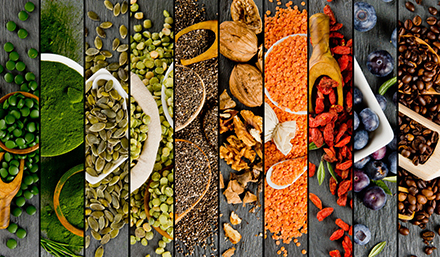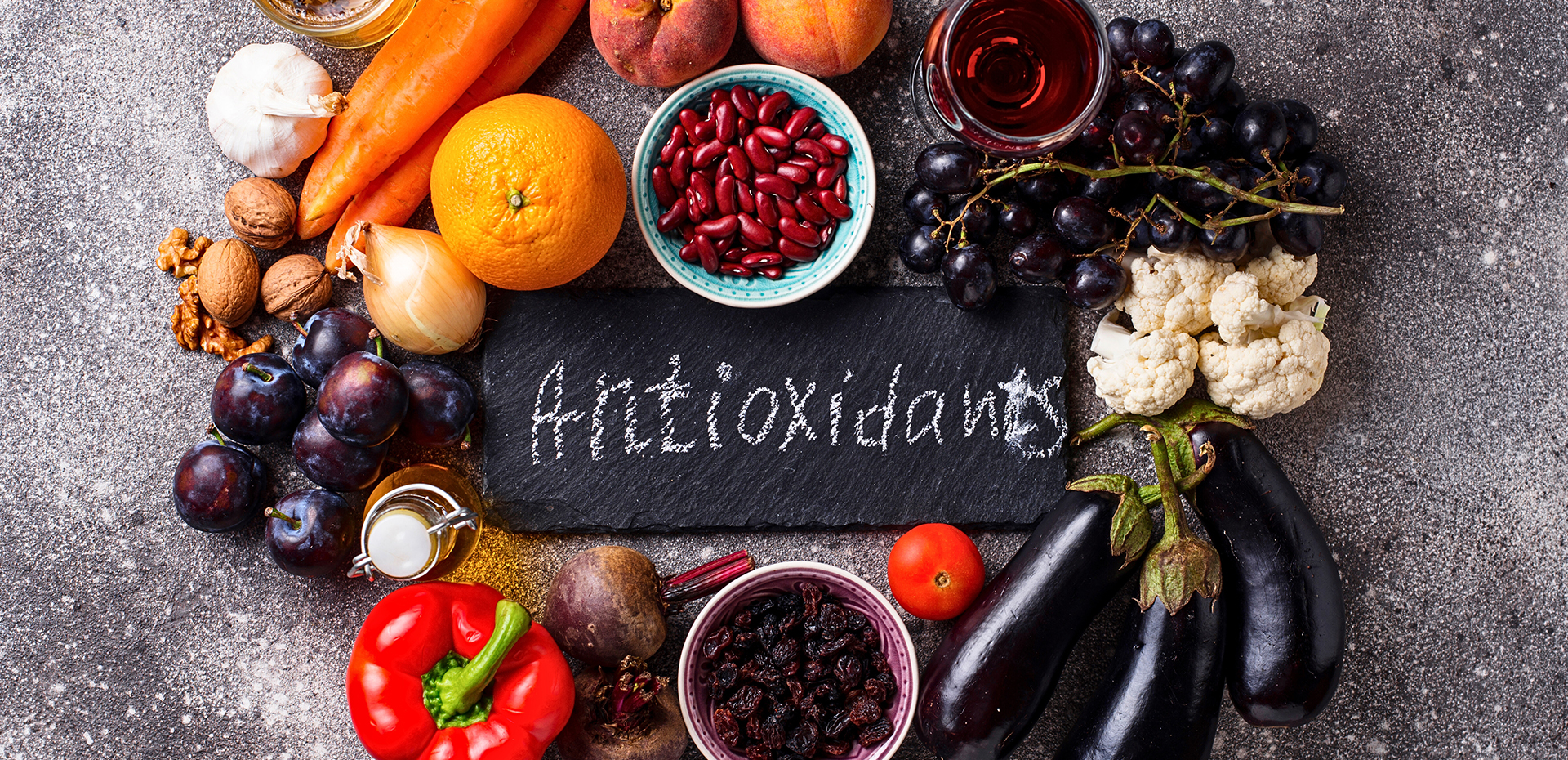
Derived from plants like berries, rosemary, and green tea, antioxidant extracts rich in polyphenols and flavonoids offer dual benefits: preserving food quality and boosting consumer health. In food systems, they inhibit lipid oxidation and browning, extending shelf life in oils, snacks, and meat products while replacing synthetic preservatives like BHA/BHT for clean-label appeal. Nutritionally, these extracts neutralize harmful free radicals, supporting cellular health and reducing risks of chronic diseases when incorporated into supplements, functional beverages, or fortified snacks. Research highlights their bioactivity—e.g., rosemary extract’s antimicrobial properties or resveratrol’s anti-inflammatory effects—driving demand for natural, science-backed solutions. As consumers prioritize “clean” and health-focused ingredients, antioxidant extracts bridge preservation efficiency with wellness, enabling safer, more nutritious food products aligned with global trends toward sustainability and proactive health.
Oxidative stress in foods—caused by free radicals—leads to lipid rancidity, nutrient degradation, and off-flavors, undermining quality and shelf life. Antioxidant extracts, rich in polyphenols (e.g., from green tea, rosemary, or berries), neutralize these harmful molecules by donating electrons, halting chain reactions that damage fats, proteins, and vitamins. In oils, nuts, and processed meats, they inhibit lipid peroxidation, extending freshness by up to 40% while preserving nutritional value. Their natural origins align with clean-label trends, replacing synthetic additives like BHT/BHA. Beyond preservation, extracts like resveratrol or quercetin enhance product appeal by offering health benefits—linking food quality to consumer wellness. Scientifically validated for bioactivity, these extracts are pivotal in maintaining sensory integrity and safety in modern food systems, meeting demands for natural, effective solutions in a $XXB global antioxidant market.