


Feb 24-2026
Food Grade Magnesium Chloride (CAS 7786-30-3)
READ MORE >
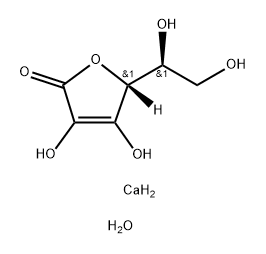
Calcium Ascorbate is a salt resulting from the combination of calcium and ascorbic acid (vitamin C). It provides antioxidant properties from vitamin C, supporting immune function and collagen synthesis, while the calcium component aids bone health and muscle function. This compound is often used in supplements to offer both nutritional benefits with enhanced stability and reduced acidity.

| Calcium ascorbate |
|
| CAS | 5743-28-2 |
| molecular weight | 236.23 |
| molecular formula | C6H12CaO7 |
| solubility | Soluble in water, almost insoluble in ethanol (96%) |
| color | White to slightly yellow |
| flavor | Odorless |
| state | Crystallized |
| melting point | 166 °C |
| boiling point | / |
Calcium ascorbate, a compound formed by binding ascorbic acid (vitamin C) with calcium, offers a unique blend of benefits that combine the antioxidant power of vitamin C with the structural support of calcium. This bioavailable, gentle form of supplementation is prized for its role in immune health, bone strength, and digestive tolerance. Here’s a breakdown of its key advantages:
1. Dual Nutrient Support: Vitamin C + Calcium in One
Calcium ascorbate delivers two essential nutrients in a single, synergistic form:
Highly Bioavailable Vitamin C:
Ascorbic acid is fully retained in the compound, providing potent antioxidant protection against free radicals, reducing oxidative stress, and supporting collagen synthesis for skin, tendons, and blood vessels.
Enhances iron absorption (especially non-heme iron from plant sources), making it ideal for vegetarians or individuals at risk of iron deficiency.
Bioavailable Calcium:
The calcium component (约 10% by weight) is bound to ascorbate, forming a stable, water-soluble complex that is easily absorbed in the intestines—gentler on the stomach than inorganic calcium salts (e.g., calcium carbonate).
Contributes to calcium intake for bone mineralization, muscle contraction, and nerve function, supporting overall skeletal health.
2. Gentle on the Digestive System
Unlike pure ascorbic acid (which can be acidic and irritating), calcium ascorbate offers digestive tolerance for sensitive individuals:
Reduced Gastrointestinal Irritation:
The calcium ion neutralizes the acidity of vitamin C, minimizing the risk of heartburn, stomach cramps, or diarrhea—common side effects of high-dose ascorbic acid supplements.
Safe for long-term use, even on an empty stomach, making it suitable for those with acid reflux, ulcers, or irritable bowel syndrome (IBS).
pH-Neutral Formulation:
Does not disrupt the stomach’s natural pH balance, ensuring compatibility with antacids or other medications that require specific pH environments.
3. Enhanced Immune Defense & Antioxidant Activity
The vitamin C component in calcium ascorbate is a cornerstone of immune health:
Immune Cell Support:
Boosts the production and function of white blood cells (e.g., neutrophils, lymphocytes), enhancing the body’s ability to fight infections, viruses, and bacteria.
Shortens the duration and severity of common colds and respiratory infections, as shown in clinical studies, especially when taken prophylactically.
Collagen Synthesis & Wound Healing:
Essential for collagen formation, which supports the integrity of skin, mucous membranes, and connective tissues—critical for wound repair, dental health, and preventing capillary fragility (e.g., easy bruising).
4. Bone and Connective Tissue Health
The combination of calcium and vitamin C creates a synergistic effect on skeletal and soft tissue health:
Bone Mineral Density:
Calcium is directly incorporated into bone matrix, while vitamin C supports the activity of osteoblasts (bone-forming cells) and inhibits osteoclasts (bone-resorbing cells), reducing the risk of osteoporosis, especially in postmenopausal women or older adults.
Joint and Tendon Support:
Vitamin C aids in the synthesis of proteoglycans (cartilage components) and reduces inflammation in joints, making it beneficial for individuals with osteoarthritis or active lifestyles prone to tendon strain.
5. Stability and Versatility in Supplementation
Calcium ascorbate stands out for its formulatory advantages in dietary products:
Oxidation Resistance:
More stable than pure ascorbic acid in high-temperature or high-moisture environments, making it ideal for fortified foods, beverages, and supplements that require long shelf-life (e.g., meal replacement bars, infant formulas).
GRAS-Approved and Clean Label:
Recognized as safe (GRAS) by the FDA and EFSA, it is often used in “clean label” products as a natural source of vitamin C and calcium, free from synthetic additives or preservatives.
Synergy with Other Nutrients:
Pairs well with vitamin D (enhances calcium absorption), magnesium (supports bone metabolism), and zinc (boosts immune function), making it a key ingredient in multivitamin formulations.
6. Antimicrobial and Preservative Properties (Food Industry Use)
Beyond supplements, calcium ascorbate serves as a functional food additive:
Natural Preservative:
Inhibits microbial growth and oxidation in processed meats, juices, and canned foods, extending shelf-life while adding nutritional value—an alternative to synthetic preservatives like sodium benzoate.
Acidity Regulator:
Adjusts pH in dressings, sauces, and dairy products, enhancing flavor stability and preventing curdling without compromising taste.
Who Benefits from Calcium Ascorbate?
Immune-Compromised Individuals: Seeking a gentle yet effective vitamin C boost.
Osteoporosis-Prone Populations: Combining calcium and vitamin C for bone health.
Gut-Sensitive Users: Avoiding acidic vitamin C forms that cause stomach discomfort.
Food Manufacturers: Enhancing nutrition and shelf-life in fortified products.
Athletes and Active Lifestyles: Supporting collagen repair, immune resilience, and bone density during intense training.
Calcium ascorbate exemplifies the power of nutrient synergy, offering enhanced efficacy, digestive tolerance, and multi-system support in a single compound. Whether as a daily supplement, a food fortifier, or a functional additive, it bridges the gap between potent antioxidant action and essential mineral nutrition—making it a strategic choice for anyone prioritizing health, safety, and scientific innovation.
Calcium ascorbate leverages the potent antioxidant power of vitamin C to combat oxidative degradation in processed foods:
Color and Flavor Preservation:
In processed meats (ham, sausage, deli slices), it inhibits lipid oxidation and the formation of off-flavors caused by rancidity, while preventing iron-induced discoloration (e.g., pink discoloration in cured meats).
In fruit juices, smoothies, and canned fruits, it protects natural pigments (e.g., anthocyanins, carotenoids) from degradation by oxygen or light, maintaining vibrant colors and fresh taste—critical for consumer appeal.
Nutrient Retention:
Stabilizes heat-sensitive vitamins (e.g., vitamin A, B12) and polyunsaturated fats in fortified cereals, snack bars, and infant formulas, ensuring nutritional claims remain valid throughout the shelf-life.
Prevents the loss of essential amino acids in protein shakes and meal replacements by neutralizing free radicals that damage peptide bonds.
The calcium ion component of calcium ascorbate plays a pivotal role in maintaining texture and stability:
Emulsion and Gel Stabilization:
In dairy products (yogurt, cream cheese, plant-based milk), it chelates metal ions (e.g., calcium, magnesium), preventing protein coagulation and whey separation. This ensures a smooth, uniform texture in low-fat or probiotic-rich formulations.
In salad dressings, sauces, and gravies, it acts as a pH buffer, balancing acidity to enhance the stability of oil-in-water emulsions—reducing phase separation and improving clinginess on food surfaces.
Baked Goods and Extruded Snacks:
Strengthens gluten networks in bread and pasta by interacting with protein chains, improving dough elasticity and oven spring. In gluten-free products, it stabilizes starches and hydrocolloids, preventing crumbly textures and enhancing shelf-life moisture retention.
Calcium ascorbate aligns with modern trends for nutrient-dense, transparent formulations:
Dual Nutrient Enhancement:
Adds bioavailable vitamin C (antioxidant support, collagen synthesis) and calcium (bone health, electrolyte balance) to processed foods, meeting consumer demands for “functional” products. Ideal for fortified breakfast cereals, kid-friendly snacks, and sports drinks, where it boosts nutrition without compromising taste.
Clean Label Compliance:
Recognized as safe (GRAS) by the FDA and listed as “calcium ascorbate” on ingredient labels, it replaces synthetic stabilizers (e.g., sodium benzoate, EDTA) in organic, non-GMO, or “clean label” products. Its natural derivation from ascorbic acid and calcium salts appeals to health-conscious consumers seeking minimal, recognizable additives.
Sustainability Synergy:
Biodegradable and non-toxic, it reduces reliance on petrochemical-derived preservatives, supporting eco-friendly manufacturing practices in food production.
Calcium ascorbate works seamlessly with other food components to create holistic stability solutions:
Meat and Poultry Processing:
Enhances the efficacy of natural preservatives (e.g., rosemary extract, citric acid) in uncured meats, providing combined antioxidant and antimicrobial effects to inhibit bacterial growth (e.g., Listeria) and extend refrigerated shelf-life.
Beverage Formulation:
In fortified waters and electrolyte drinks, it improves the solubility of minerals (e.g., potassium, magnesium) while preventing sedimentation, ensuring a clear, uniform product free of cloudy residue.
Why Calcium Ascorbate is a Food Formulator’s Essential Tool
By addressing three core challenges in processed foods—oxidative degradation, structural instability, and nutritional gaps—calcium ascorbate offers a triple-threat solution:
Technical Excellence: Protects against color loss, texture breakdown, and nutrient degradation.
Nutritional Innovation: Delivers two essential nutrients in a single, bioavailable form.
Consumer-Centric Design: Meets clean label, sustainability, and functional food trends without compromising performance.
From preserving the juicy tenderness of deli meats to ensuring the vibrant color of your favorite juice, calcium ascorbate ensures processed foods stay fresh, nutritious, and visually appealing—all while upholding the highest standards of safety and innovation. It’s not just a stabilizer; it’s a bridge between scientific functionality and consumer trust in modern food production.