



Feb 24-2026
Food Grade Magnesium Chloride (CAS 7786-30-3)
READ MORE >
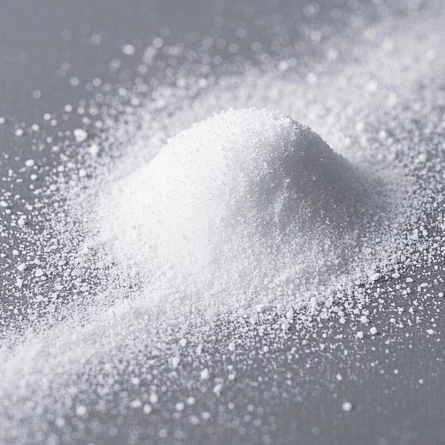
An insoluble calcium salt reacting with stomach acid to release calcium ions. Economical and widely used in supplements, antacids, and food fortification (e.g., plant-based milks), it supports bone density and electrolyte balance.
| Calcium Carbonate | 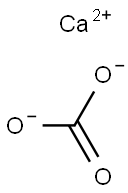 |
| CAS | 471-34-1 |
| molecular weight | 100.0869 |
| molecular formula | CCaO3 |
| solubility | MHCl:0.1 Mat 20℃, transparent, colorless |
| color | White beige to light beige |
| flavor | Odorless |
| state | Crystals |
| melting point | 825℃ |
| boiling point | 800℃ |
Calcium carbonate, a naturally abundant compound found in minerals like limestone and chalk, offers a wide range of benefits across healthcare, industry, and daily life. Here’s a breakdown of its key advantages:
1. High Potency Calcium Source for Nutritional Support
Rich Elemental Calcium Content: With 40% elemental calcium by weight—the highest among common calcium supplements—it efficiently addresses calcium deficiencies, critical for maintaining strong bones, teeth, and muscle function.
Essential for Bone Health: Supports bone mineralization and density, reducing the risk of osteoporosis (especially in postmenopausal women and older adults) by providing the primary mineral needed for skeletal structure.
Nerve & Muscle Regulation: Calcium ions (derived from calcium carbonate) are vital for nerve signal transmission, muscle contraction/relaxation, and heart rhythm regulation, ensuring proper physiological function.
2. Effective Antacid for Digestive Relief
Rapid Stomach Acid Neutralization: In over-the-counter medications (e.g., Tums, Rolaids), calcium carbonate quickly neutralizes excess gastric acid, relieving heartburn, indigestion, and acid reflux. Its high alkalinity helps restore pH balance in the stomach.
Gentle on the Gut: Unlike stronger antacids, it provides moderate, long-lasting relief without causing systemic alkalosis, making it suitable for occasional or short-term use.
3. Versatile Industrial and Manufacturing Applications
Premium Filler in Plastics and Polymers: Improves mechanical properties (tensile strength, hardness, impact resistance) in products like pipes, automotive parts, and packaging while reducing production costs.
Enhances Coatings and Adhesives: In paints and coatings, calcium carbonate particles boost opacity, texture, and weather resistance, extending the lifespan of finishes. In adhesives, they add thickness and stability.
Paper and Rubber Additive: Used in paper manufacturing to enhance brightness and opacity, and in rubber to improve elasticity and durability.
4. Agricultural and Environmental Benefits
Soil Amendment and Plant Nutrition: Neutralizes acidic soils (liming) to improve pH balance, enhancing nutrient availability for crops. Also provides calcium—a key micronutrient for plant cell wall structure and disease resistance.
Water Treatment and Carbon Capture: In water purification, it precipitates impurities; in industrial processes, it absorbs CO₂ (e.g., flue gas desulfurization) to reduce emissions, contributing to environmental sustainability.
Animal Feed Fortifier: Adds calcium to livestock and poultry feed, supporting bone development and eggshell strength in poultry.
5. Cost-Effective and Abundant Natural Resource
Economical Production: Sourced from readily available natural minerals, calcium carbonate is affordable to mine and process, making it a cost-efficient choice for large-scale applications in food, pharma, and industry.
Regulatory Safety: Widely recognized as safe (GRAS) by global authorities (FDA, EFSA), ensuring compliance for use in food supplements, pharmaceuticals, and consumer products.
6. Food Industry Applications
Nutrient Fortification: Added to foods (e.g., flours, juices, plant-based milks) to boost calcium content, especially for populations with limited dairy intake (e.g., vegans, lactose-intolerant individuals).
Functional Additive: Acts as an anti-caking agent in powdered foods, a texture stabilizer in baked goods, and a pH regulator in beverages, enhancing both nutrition and product quality.
7. Dental and Medical Uses
Toothpaste Abrasive: Gently removes stains and supports enamel remineralization in dental products, promoting oral health.
Bone Graft Substitutes: In orthopedics, synthetic calcium carbonate-based materials (e.g., coral-like scaffolds) aid bone tissue regeneration in surgeries.
Calcium carbonate’s versatility, potency, and affordability make it an indispensable ingredient across industries, from safeguarding human health to enhancing industrial materials and promoting environmental sustainability. Its dual role as a nutrient and functional compound cements its status as a foundational resource in modern life.
Highest Elemental Calcium Content: With 40% elemental calcium by weight—the highest among commonly used calcium supplements—calcium carbonate provides a concentrated dose of this vital mineral in every serving. This makes it ideal for meeting daily calcium requirements (e.g., 1,000–1,300 mg/day for adults) with minimal tablet size or dosage, critical for formulations targeting bone health, muscle function, and nerve regulation.
Acid-Activated Absorption: While its absorption relies on stomach acid to release ionic calcium, this process is optimized in healthy individuals and can be enhanced by pairing with vitamin D (a key nutrient for calcium uptake). This makes it a pragmatic choice for general population supplements, offering reliable calcium delivery at a fraction of the cost of organic calcium forms (e.g., citrate, malate).
Core Ingredient in Dietary Supplements: Found in tablets, chewables, and powders, calcium carbonate is the go-to for standalone calcium supplements and multi-vitamin blends. Its neutral taste and stability allow easy integration into gummies, chewable tablets (e.g., for children or seniors), and even effervescent formulas without compromising palatability.
Fortification of Processed Foods: Added to a wide range of food products to bridge nutritional gaps:
Plant-Based Milks & Yogurts: Enhances calcium content in almond, soy, or oat milk, catering to dairy-free diets.
Breakfast Cereals & Nutrition Bars: Provides a calcium boost in ready-to-eat foods, appealing to busy consumers.
Infant Formula & Toddler Foods: Safely fortifies early-life nutrition products, supporting bone development in growing children.
Functional Additive Benefits: Beyond calcium delivery, it acts as an anti-caking agent in powdered supplements, a texture stabilizer in fortified snacks, and a pH regulator in beverages, ensuring both nutritional and sensory quality.
Globally Recognized Safety: Classified as Generally Recognized As Safe (GRAS) by the FDA and approved by international authorities (EFSA, Codex Alimentarius), calcium carbonate is a trusted choice for all age groups—from infant formula to senior supplements. Its long history of use minimizes concerns about toxicity or adverse reactions, even at high doses (under medical guidance).
Economical and Sustainable: Sourced from abundant natural minerals (limestone, chalk), it offers a cost-effective solution for large-scale production, making calcium-rich products affordable and accessible worldwide. This sustainability aligns with consumer demand for clean, natural ingredients while supporting public health initiatives aimed at reducing calcium deficiency-related issues (e.g., rickets, osteoporosis).
Osteoporosis Prevention: A mainstay in supplements for postmenopausal women and older adults, where calcium intake is critical to counteract bone density loss. Its high potency helps formulate compact tablets suitable for daily use, often paired with magnesium and vitamin K2 for synergistic bone support.
Special Dietary Needs: Ideal for vegetarians, vegans, and lactose-intolerant individuals who may avoid dairy, enabling fortification of plant-based alternatives and non-dairy products to match the calcium content of traditional dairy sources.
Pediatric Nutrition: Gentle on young digestive systems when formulated as chewables or powders, ensuring children receive adequate calcium for growing bones and teeth without adverse effects.
By combining unmatched calcium density, formulation flexibility, and regulatory safety, calcium carbonate remains the gold standard for calcium delivery in nutritional products. It exemplifies how a single, natural ingredient can address diverse health needs—from supporting early childhood development to safeguarding senior bone health—while remaining affordable and widely accessible.