Feb 24-2026
Food Grade Magnesium Chloride (CAS 7786-30-3)
READ MORE >
A highly soluble calcium salt, used as a firming agent in food (tofu, pickles), a calcium supplement in sports drinks, and a medical treatment for hypocalcemia. It ensures calcium availability in aqueous systems
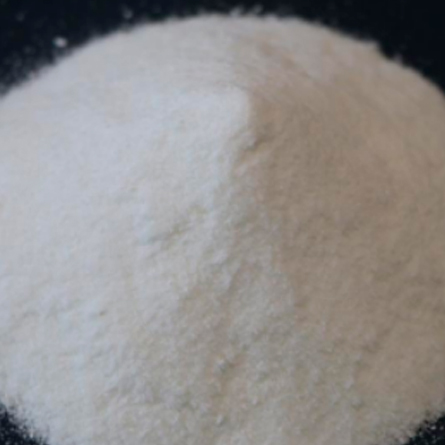
| Calcium Chloride |  |
| CAS | 10043-52-4 |
| molecular weight | 110.98 |
| molecular formula | CaCl2 |
| solubility | Soluble in water |
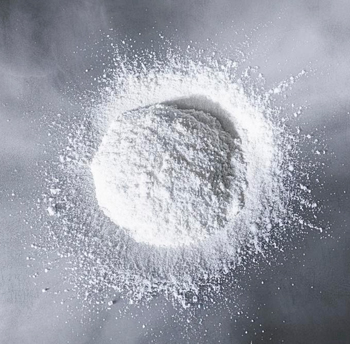
| color | White to gray |
| flavor | / |
| state | Powder |
| melting point | 772 °C |
| boiling point | 1935 °C |
Calcium chloride (CaCl₂), a versatile inorganic compound, offers a wide array of benefits across industries, from food and medicine to manufacturing and agriculture. Its unique properties as a calcium source, drying agent, and chemical stabilizer make it indispensable in numerous applications. Here’s a breakdown of its key advantages:
1. Food Industry: Stability, Nutrition, and Texture Enhancement
Calcium chloride is a critical food additive, addressing three core needs in processing and formulation:
Stabilizer and Coagulant:
Dairy and Plant-Based Products: Coagulates proteins in tofu, cheese, and plant-based milks (e.g., soy, almond), forming stable curds and improving texture—essential for artisanal cheesemakers and industrial production.
Canned Foods and Beverages: Prevents cell collapse in fruits, vegetables, and pickled goods, maintaining firmness and crunch by reinforcing cell walls. In beverages, it stabilizes emulsions and enhances mineral flavor (e.g., in sports drinks).
Calcium Fortification:
A bioavailable source of calcium in fortified juices, snacks, and infant formulas, supporting bone health, muscle function, and nerve transmission—ideal for populations with dietary calcium gaps.
Freezing and Thawing Control:
Reduces ice crystal formation in frozen foods (e.g., meats, vegetables), preserving texture and preventing drip loss during thawing, while enhancing shelf-life and sensory quality.
2. Medical and Pharmaceutical Applications: Electrolyte Balance and Therapeutic Support
In healthcare, calcium chloride is pivotal for maintaining physiological functions and treating emergencies:
Electrolyte Replacement:
Treats hypocalcemia (low blood calcium) caused by kidney disease, surgery, or vitamin D deficiency, restoring normal nerve impulse transmission, muscle contraction (including the heart), and bone metabolism.
Administered intravenously in critical care to correct life-threatening calcium imbalances, such as during cardiac arrest or magnesium toxicity.
Hemodialysis and Blood Products:
Stabilizes blood cell membranes in dialysis solutions and blood storage, preventing hemolysis (red blood cell breakdown) and ensuring safe transfusion.
Wound Care and Tissue Engineering:
Promotes calcium-dependent cellular processes in burn dressings and regenerative medicine, supporting tissue repair and collagen synthesis.
3. Industrial and Manufacturing Uses: Versatile Chemical Solutions
Calcium chloride’s hygroscopic (moisture-absorbing) and reactive properties solve critical industrial challenges:
Drying and Dehumidification:
Acts as a desiccant in packaging (e.g., electronics, pharmaceuticals) to absorb moisture and prevent corrosion or mold growth. In construction, it accelerates drying of paints, adhesives, and concrete, reducing curing time.
Road and Infrastructure Maintenance:
De-icing Agent: Lowers the freezing point of water, melting ice on roads, sidewalks, and runways faster than sodium chloride, with less environmental impact on vegetation and concrete.
Dust Suppressant: Applied to unpaved roads and mining sites to bind particles, reducing airborne dust and improving safety.
Concrete and Construction:
Enhances the strength and durability of concrete by accelerating hydration, allowing faster setting in cold weather—critical for winter construction projects.
Reduces shrinkage and cracking in masonry, improving the longevity of buildings and infrastructure.
4. Agriculture and Horticulture: Soil Health, Crop Protection, and Preservation
In farming, calcium chloride addresses nutrient deficiencies and post-harvest challenges:
Soil and Plant Nutrition:
Corrects calcium deficiency in acidic soils, improving root development, fruit quality, and resistance to diseases (e.g., blossom end rot in tomatoes, bitter pit in apples).
As a foliar spray, delivers calcium directly to plant leaves, bypassing soil-borne deficiencies and enhancing photosynthesis.
Post-Harvest Preservation:
Extends the shelf-life of fruits and vegetables (e.g., apples, lettuce) by delaying spoilage, maintaining firmness, and inhibiting microbial growth—often used in washing and storage solutions.
Animal Feed Additive:
Fortifies livestock feed with calcium, supporting bone health in cattle, poultry, and aquaculture, while improving feed texture and palatability.
5. Water Treatment and Environmental Solutions
Calcium chloride plays a key role in purifying water and managing industrial waste:
pH Regulation and Flocculation:
Raises pH in acidic wastewater from mines, factories, and power plants, facilitating the precipitation of heavy metals (e.g., lead, mercury) for safe disposal.
Enhances flocculation in water treatment plants, improving the efficiency of sediment removal and clarifying drinking water.
Biogas and Waste Management:
Used in anaerobic digesters to stabilize organic matter, boosting biogas production and reducing odors from landfills and livestock waste.
6. Safety, Regulatory Compliance, and Cost-Effectiveness
Calcium chloride’s appeal is amplified by its proven safety and accessibility:
GRAS-Approved and Globally Regulated:
Recognized as safe (GRAS) by the FDA, EFSA, and other global bodies for use in food, medicine, and agriculture, with clear dosage guidelines to prevent excess calcium intake.
Abundant and Economical:
Mined from natural brines or produced as a byproduct of soda ash manufacturing, it is cost-effective and widely available, supporting large-scale industrial and agricultural applications.
Non-Toxic and Biodegradable:
In food and medical use, it is non-toxic and easily metabolized, while industrial grades are formulated to minimize environmental harm (e.g., low-iron variants for food contact).
Who Benefits from Calcium Chloride?
Food Producers: Enhancing texture, stability, and nutrition in processed foods.
Healthcare Providers: Treating electrolyte imbalances and supporting critical care.
Industrial Engineers: Solving moisture, de-icing, and material strength challenges.
Farmers and Growers: Improving soil health, crop quality, and post-harvest preservation.
Consumers: Benefiting from safer food, effective medical treatments, and sustainable infrastructure.
Calcium chloride’s versatility, safety, and functional power make it a cornerstone ingredient across industries, from ensuring the crunch of a pickle to strengthening skyscrapers. Its ability to solve complex challenges in food, health, and manufacturing while remaining cost-effective and environmentally friendly cements its role as a truly indispensable compound.
Calcium chloride’s calcium ions (Ca²⁺) are critical for strengthening protein and pectin networks, ensuring robust textures in both animal and plant-based foods:
Dairy and Plant-Based Protein Products:
In cheese making, Ca²⁺ ions bind to casein proteins, accelerating curd formation and improving the elasticity of cheese curds—essential for mozzarella’s stretch, cheddar’s firmness, and processed cheese’s meltability.
In tofu and plant-based milks (soy, oat, almond), it coagulates soy proteins or stabilizes emulsions, creating dense curds for firm tofu or preventing separation in non-dairy creamers. This is especially vital for vegan alternatives that mimic dairy’s texture.
Meat and Seafood Processing:
Enhances the binding of muscle proteins in sausages, deli meats, and surimi (imitation crab), improving sliceability, juiciness, and resistance to crumbling. Ca²⁺ ions also stabilize water retention, preventing purge (liquid loss) during storage or cooking.
In produce processing, calcium chloride strengthens plant cell structures, combating softening caused by enzymes or mechanical stress:
Canning, Pickling, and Blanching:
In canned vegetables (green beans, peas) and pickled goods (cucumbers, peppers), Ca²⁺ ions cross-link pectin molecules in cell walls, maintaining crunch and preventing collapse during heat processing. This is critical for preserving the sensory appeal of shelf-stable products.
In fresh-cut produce (sliced apples, lettuce), dipping in calcium chloride solutions delays enzymatic browning and softening, extending shelf-life in salads, snack packs, or ready-to-eat meals.
Juices and Purees:
Stabilizes pulpy textures in tomato paste, fruit nectars, and baby food by reinforcing pectin networks, preventing sedimentation and ensuring a uniform, spoonable consistency.
Calcium chloride addresses two major challenges in frozen and processed foods: ice crystal damage and microbial growth:
Frozen Food Preservation:
Reduces the formation of large ice crystals in frozen fruits, vegetables, and meats by lowering the freezing point and binding water molecules. This protects cell membranes from rupture, minimizing drip loss (liquid release) during thawing and preserving the original texture—key for maintaining the juiciness of frozen meats or the crispness of frozen fries.
Brine Solutions and Fermentation:
In pickles, olives, and fermented foods, it enhances brine density, ensuring even salt penetration while reinforcing the structural integrity of produce. Ca²⁺ ions also inhibit pectin-degrading enzymes, preventing mushy textures in long-term storage.
In yogurt and cultured dairy, it stabilizes protein aggregates, preventing whey separation (watery discharge) and maintaining a smooth, creamy consistency—critical for shelf-stable or low-fat varieties.
Beyond texture, calcium chloride offers added nutritional and safety benefits:
Calcium Enrichment:
As a bioavailable calcium source, it fortifies fortified juices, breakfast cereals, and infant formulas, supporting bone health and meeting consumer demand for nutrient-dense products—especially in regions with low dairy intake.
Clean Label and Safety:
Recognized as safe (GRAS) by the FDA and approved globally, it is listed simply as “calcium chloride” on ingredient labels, aligning with clean-label trends. Its natural derivation (from mineral deposits or brines) makes it a preferred choice over synthetic stabilizers in organic or non-GMO products.
Why Calcium Chloride is a Food Processor’s Essential Tool
By tackling three core texture challenges—protein coagulation, cell wall stability, and freeze-thaw protection—calcium chloride ensures processed foods retain their firmness, bite, and visual appeal from production to consumption:
Technical Precision: Provides predictable control over texture, critical for industrial-scale uniformity.
Sensory Excellence: Delivers the crunch, chew, and consistency consumers expect, even in shelf-stable or frozen formats.
Functional Innovation: Combines texture enhancement with nutritional fortification, future-proofing products for health-conscious markets.
From the firm curd of artisanal cheese to the crispness of canned vegetables, calcium chloride ensures that processed foods don’t just look good—they stand up to every bite, bite after bite. Its role as a dual-action texture stabilizer and nutrient enhancer cements its place as a cornerstone ingredient in modern food manufacturing.