

Feb 24-2026
Food Grade Magnesium Chloride (CAS 7786-30-3)
READ MORE >
A calcium ester of glycerophosphoric acid, providing calcium and phosphorus for bone health and energy metabolism. It supports cell membrane structure, ideal for pediatric or geriatric formulations requiring balanced mineral delivery.
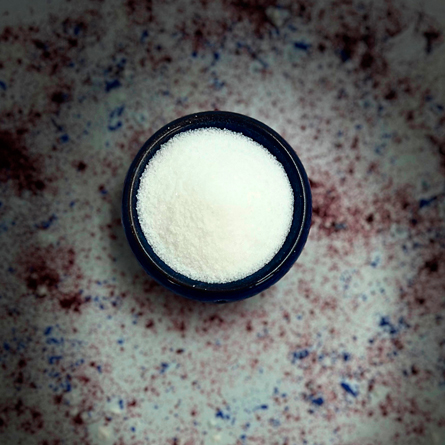
| Calcium Glycerophosphate | 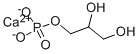 |
| CAS | 27214-00-2 |
| molecular weight | 210.14 |
| molecular formula | C3H7CaO6P |
| solubility | Slightly soluble in water, almost insoluble in ethanol (96%) |
| color | White to nearly white |
| flavor | Odorless, almost odorless, slightly bitter |
| state | Powder crystals |
| melting point | >170℃ |
| boiling point | 485.5℃ |
Calcium glycerophosphate, a compound formed by combining calcium with glycerophosphoric acid (a natural metabolite involved in cellular energy and membrane structure), offers a unique set of benefits that blend calcium’s skeletal support with glycerophosphate’s metabolic advantages. Here’s a breakdown of its key benefits:
1. Enhanced Calcium Absorption & Bioavailability
Naturally Occurring Metabolite Synergy: Glycerophosphoric acid is a component of phospholipids (cell membrane building blocks) and energy pathways, ensuring calcium glycerophosphate is recognized and absorbed efficiently by the body. This chelated structure protects calcium from binding with dietary inhibitors (e.g., oxalates, phytates) in the gut, maximizing uptake and minimizing waste.
Gentle on Digestion: Unlike calcium carbonate or oxide, which can cause constipation or stomach irritation, calcium glycerophosphate’s stable molecular form reduces osmotic effects in the intestines, making it well-tolerated even for those with sensitive digestive systems or IBS.
2. Targeted Support for Bone & Teeth Health
Optimal Mineralization: Delivers bioavailable calcium to osteoblasts (bone-building cells), promoting the formation of hydroxyapatite (the mineral matrix of bones and teeth). This supports bone density, strength, and repair, reducing the risk of osteoporosis, fractures, or dental enamel erosion—especially beneficial for older adults, postmenopausal women, or individuals with calcium deficiencies.
Balanced Bone Remodeling: Glycerophosphate aids in transporting calcium across cell membranes, ensuring proper distribution to skeletal tissues while minimizing soft tissue calcification (e.g., in arteries or kidneys), maintaining a healthy calcium balance in the body.
3. Supports Energy Metabolism & Cellular Function
ATP Production Enhancement: Glycerophosphoric acid is a key intermediate in glycolysis (glucose breakdown) and phospholipid synthesis, directly contributing to ATP (energy) production in cells. Calcium, as a cofactor for energy enzymes, amplifies this process, combating fatigue and supporting sustained physical and mental activity.
Muscle & Nerve Regulation: Calcium ions are essential for muscle contraction/relaxation and nerve signal transmission, while glycerophosphate supports membrane integrity in muscle and nerve cells. Together, they reduce the risk of cramps, weakness, or neuropathy, making it valuable for athletes, older adults, or those with neuromuscular conditions.
4. Cell Membrane Integrity & Repair
Phospholipid Synthesis Support: Glycerophosphoric acid is a precursor to phospholipids, the primary component of cell membranes. By providing this building block, calcium glycerophosphate helps maintain membrane fluidity, permeability, and resilience—critical for cellular communication, nutrient uptake, and protection against oxidative stress.
Wound Healing & Tissue Repair: Supports the regeneration of skin, connective tissues, and mucosal linings by enhancing cell membrane repair and calcium-dependent signaling pathways involved in tissue remodeling.
5. Versatile Applications in Healthcare & Nutrition
Nutritional Supplements & Fortification: Ideal for calcium-fortified foods (e.g., infant formula, sports drinks, senior nutrition products) due to its solubility, neutral taste, and high bioavailability. Often included in multi-nutrient formulas to support bone, energy, and cellular health simultaneously.
Medical Uses: Used in clinical settings to treat calcium deficiencies, support post-surgical recovery, or address metabolic disorders where calcium and phosphate balance is compromised (e.g., renal insufficiency, osteoporosis management).
6. Low Risk of Interactions & Regulatory Safety
Minimal Nutrient Competition: Does not interfere with the absorption of other minerals (e.g., iron, zinc) as harsh calcium salts might, making it safe for long-term use in combination with other supplements.
GRAS-Approved and Biocompatible: Recognized as safe for human consumption by regulatory bodies (e.g., FDA, EFSA), derived from natural metabolic pathways, and well-tolerated across all life stages—from pediatric to geriatric populations.
Calcium glycerophosphate stands out for its dual role in delivering bioavailable calcium while supporting cellular energy and membrane health. It’s a strategic choice for individuals seeking a gentle, multifunctional calcium supplement that goes beyond skeletal support to enhance overall metabolic and cellular wellness—particularly useful for those with absorption issues, active lifestyles, or age-related nutrient demands.
Calcium glycerophosphate’s chelated structure ensures superior absorption compared to traditional calcium salts. The glycerophosphoric acid molecule protects calcium from binding with dietary inhibitors (e.g., oxalates, phytates) in the gut, delivering a higher percentage of elemental calcium to bone-forming cells (osteoblasts). This bioavailable calcium is then used to synthesize hydroxyapatite, the mineral matrix that gives bones their density and rigidity. Unlike calcium carbonate, which relies on stomach acid for dissolution, calcium glycerophosphate remains stable across pH environments, making it ideal for individuals with age-related or medication-induced reductions in gastric acid—ensuring consistent calcium supply to bones, even as absorption efficiency naturally declines with age.
Stimulates Bone Formation: Glycerophosphoric acid, a natural metabolite involved in phospholipid synthesis and energy pathways, supports the metabolic needs of osteoblasts. These cells require abundant ATP to produce collagen (the protein framework of bones) and facilitate calcium deposition. By enhancing mitochondrial energy production (via its role in the Krebs cycle), calcium glycerophosphate boosts osteoblast activity, accelerating the formation of new bone tissue.
Inhibits Excessive Bone Resorption: Maintaining optimal calcium levels in the bloodstream via efficient absorption helps suppress overactive osteoclasts (cells that break down bone). This balance between bone formation and resorption is critical for preserving bone mineral density, particularly in postmenopausal women (who experience rapid bone loss due to estrogen decline) and older adults at risk of osteoporosis.
Membrane Stability for Osteocyte Function: Glycerophosphoric acid is a precursor to phospholipids, the building blocks of cell membranes. In bone tissue, this ensures the integrity of osteocytes (mature bone cells) and their ability to communicate with osteoblasts and osteoclasts, regulating mineral homeostasis. Strong, functional cell membranes are essential for transmitting signals that maintain bone density and repair microdamage.
Reduced Risk of Soft Tissue Calcification: By directing calcium to skeletal tissues rather than allowing it to deposit in arteries or kidneys, calcium glycerophosphate minimizes the risk of pathological calcification while maximizing its availability for bone mineralization. This targeted delivery enhances the safety and efficacy of calcium supplementation for long-term use.
Calcium glycerophosphate works in tandem with other bone-supporting nutrients (e.g., vitamin D, magnesium, phosphorus) to create a holistic environment for bone health:
Vitamin D Synergy: Improved calcium absorption via glycerophosphate enhances the efficacy of vitamin D, which is essential for calcium uptake in the intestines and osteoblast activation.
Phosphorus Balance: As a source of glycerophosphoric acid, it provides phosphorus—a key component of hydroxyapatite—ensuring both minerals are available in the optimal ratio for bone matrix formation.
Energy-Dependent Remodeling: By supporting ATP production, it ensures the energy-intensive process of bone remodeling (breaking down old bone and building new) occurs efficiently, maintaining the microarchitectural integrity that prevents fractures.
By merging the mineral density benefits of calcium with the metabolic and structural support of glycerophosphoric acid, calcium glycerophosphate offers a multifaceted approach to enhancing bone mineral density. It’s particularly valuable for individuals at risk of bone loss, providing a bioavailable, well-tolerated solution that addresses both the supply of calcium to bones and the cellular mechanisms required to maintain their strength and resilience over time.