
Feb 24-2026
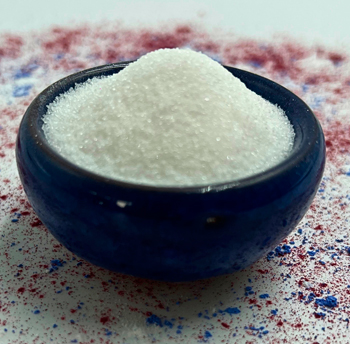
Food Grade Magnesium Chloride (CAS 7786-30-3)
READ MORE >
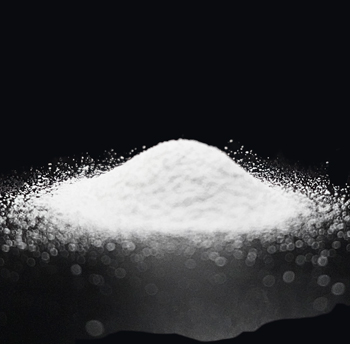
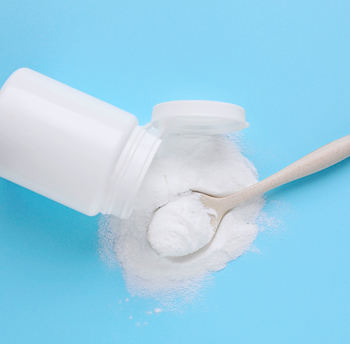
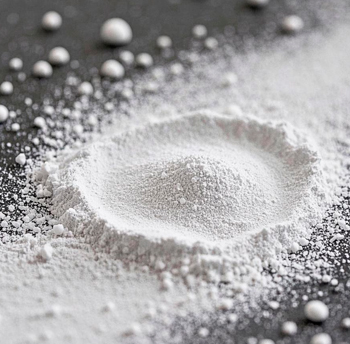
A caustic alkaline compound (Ca(OH)₂), used in food processing (corn nixtamalization), water treatment, and as a pH adjuster in antacids or supplements. It neutralizes acids but requires careful handling due to reactivity.
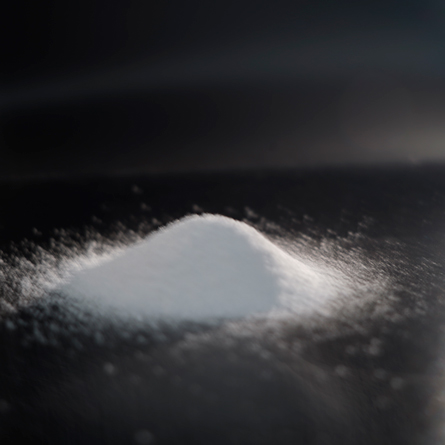
| Calcium Hydroxide | CaH2O2 |
| CAS | 1305-62-0 |
| molecular weight | 74.09 |
| molecular formula | CaH2O2 |
| solubility | Insoluble in alcohol, soluble in ammonium salts and glycerol |
| color | White |
| flavor | Odorless |
| state | Solid |
| melting point | 580 °C |
| boiling point | 2850 °C |
Calcium hydroxide (Ca(OH)₂), also known as slaked lime or hydrated lime, is a versatile inorganic compound with wide-ranging benefits across industries, from food and medicine to agriculture and construction. Its alkaline properties, reactivity, and biocompatibility make it an essential ingredient in numerous applications. Here’s a breakdown of its key advantages:
1. Food Industry: Safety, Nutrition, and Texture Enhancement
Calcium hydroxide plays a critical role in food processing and fortification, balancing functionality and nutritional value:
Acidity Regulation & pH Control:
Neutralizes excess acid in pickled foods, beverages, and dairy products (e.g., cheese, yogurt), ensuring safe pH levels for microbial stability and shelf-life extension.
Used in nixtamalization (processing corn for tortillas, masa) to enhance niacin bioavailability and improve texture, a traditional practice with modern safety standards.
Calcium Fortification:
A bioavailable source of calcium in fortified flours, juices, and dietary supplements, supporting bone health, muscle function, and nerve transmission—especially important for populations at risk of calcium deficiency.
Approved as a food additive (E526) by regulatory bodies (FDA, EFSA), ensuring safe use in infant formulas and organic products.
Texture and Structure Support:
Forms stable gels in tofu and plant-based curds by coagulating proteins, replacing harsh chemicals with a natural, food-grade alternative.
Improves the firmness of canned fruits and vegetables by enhancing cell wall stability during processing.
2. Medical and Dental Applications: Therapeutic and Protective Roles
In healthcare, calcium hydroxide’s antimicrobial and alkaline properties make it indispensable:
Dental Care Excellence:
Root Canal Therapy: Used as an intracanal medicament to disinfect infected pulp, kill bacteria (e.g., P. aeruginosa, S. aureus), and promote tissue healing by creating an alkaline environment that neutralizes microbial acids.
Cavity Liners and Fissure Sealants: Protects dental pulp from irritants and supports dentin remineralization, reducing the risk of secondary caries.
Antacid and Digestive Support:
Oral formulations neutralize stomach acid in heartburn and indigestion remedies, providing fast-acting relief without systemic side effects—gentler on the gut than synthetic antacids.
Wound Healing Aid:
Topical applications in antiseptic creams and burn dressings reduce infection risk by creating an alkaline milieu that inhibits bacterial growth, while promoting collagen synthesis for faster tissue repair.
3. Industrial and Environmental Applications: Versatile Problem-Solving
Calcium hydroxide’s reactivity and alkalinity solve critical challenges in manufacturing and sustainability:
Water Treatment & Pollution Control:
pH Adjustment: Neutralizes acidic wastewater in industrial facilities (e.g., mining, steel production), ensuring compliance with environmental regulations and preventing corrosion of pipelines.
Heavy Metal Removal: Precipitates toxic metals (e.g., lead, cadmium, zinc) as insoluble hydroxides, making it a key agent in wastewater purification and soil remediation.
Construction and Building Materials:
Mortar and Plaster: Mixed with sand and water to create durable, alkaline-resistant binders for masonry, enhancing the strength and longevity of walls, floors, and ceilings.
Paints and Coatings: Acts as a pH stabilizer and 防霉剂,protecting surfaces from fungal growth and environmental degradation.
Metal Processing & Manufacturing:
Removes impurities in steel and aluminum production by reacting with acidic oxides, improving metal purity and quality.
Serves as a catalyst in plastics and rubber manufacturing, promoting cross-linking and enhancing material durability.
4. Agriculture and Horticulture: Soil Health and Crop Protection
In farming, calcium hydroxide addresses soil imbalance and plant nutrition:
Soil pH Regulation:
Neutralizes acidic soils (low pH) in agricultural lands, improving nutrient availability (e.g., phosphorus, magnesium) and supporting root growth—critical for crops like wheat, barley, and vegetables.
Reduces aluminum toxicity in acidic soils by precipitating aluminum ions, protecting plant roots from damage.
Calcium Fertilization:
Supplies calcium, a vital nutrient for cell wall structure and stress tolerance in plants, preventing disorders like blossom end rot in tomatoes and tip burn in lettuce.
Pest and Disease Management:
Used in lime sulfur sprays and orchard whitewash to control fungal infections (e.g., powdery mildew) and deter pests, a natural alternative to synthetic pesticides.
Creates an alkaline environment in compost piles, accelerating decomposition and killing weed seeds or pathogens.
5. Safety, Sustainability, and Regulatory Compliance
Calcium hydroxide’s appeal is amplified by its natural origins and low environmental impact:
Biocompatible and Non-Toxic:
Safe for contact with food, skin, and mucous membranes (in controlled doses), with no carcinogenic or mutagenic properties—critical for medical and food applications.
Eco-Friendly and Renewable:
Derived from limestone (calcium carbonate) via a simple hydration reaction, it’s abundant, cost-effective, and biodegradable, aligning with green chemistry principles.
Global Regulatory Approval:
Recognized as safe for use in food (GRAS), medicine, and agriculture by major regulatory bodies, ensuring compliance across international markets.
6. Other Notable Uses
Paper and Pulp Industry: Adjusts pH during paper manufacturing, improving pulp bleaching efficiency and reducing chemical usage.
Fire Extinguishers: Used in some varieties to absorb heat and neutralize acidic combustion byproducts.
Animal Feed: Fortifies livestock feed with calcium, supporting bone development in cattle, poultry, and aquaculture.
Who Benefits from Calcium Hydroxide?
Food Producers: Enhancing safety, nutrition, and texture in processed foods.
Dental Professionals: Reliable disinfectant and pulp protector in endodontic care.
Environmental Engineers: Cost-effective solution for wastewater treatment and soil remediation.
Farmers: Improving soil health, crop yield, and natural pest control.
Consumers: Safer food, effective healthcare, and sustainable industrial practices.
Calcium hydroxide’s versatility, safety, and functional power make it a cornerstone ingredient across industries, bridging scientific innovation with practical applications. From nourishing the body to protecting the environment, it exemplifies how a simple compound can drive progress in health, sustainability, and manufacturing—proving that timeless solutions often lie in nature’s most fundamental elements.
Calcium hydroxide is a cornerstone of nutritional fortification in grains, addressing both calcium and B-vitamin deficiencies:
Calcium Fortification for Bone Health:
As a bioavailable calcium source, it enriches wheat flour, cornmeal, and rice products, delivering easily absorbable calcium critical for bone density, muscle function, and nerve signaling. In regions where dairy intake is low, fortified grains become a primary calcium source, reducing the risk of osteoporosis, rickets, and other calcium-deficiency diseases.
Nixtamalization: The Ancient Technique for Modern Nutrition:
When applied to corn (a process called nixtamalization), calcium hydroxide breaks down the outer hull of corn kernels, releasing bound niacin (vitamin B3) and increasing its bioavailability by up to 300%. This prevents pellagra (a niacin-deficiency disease) and also boosts the absorption of calcium, iron, and zinc from corn—essential for populations where corn is a dietary staple (e.g., tortillas, masa, polenta).
Beyond nutrition, calcium hydroxide enhances the processing and sensory qualities of grain and corn products:
Dough Stability and Gluten Enhancement:
In bread, pasta, and tortilla doughs, it regulates pH and strengthens gluten networks, improving elasticity, rise, and chewiness. This is particularly valuable in whole-grain or gluten-free formulations, where texture can be compromised by fiber or alternative flours.
Firmness and Shelf-Life in Processed Grains:
In canned corn, precooked grains, and extruded snacks, it acts as a texturizer, enhancing cell wall stability to prevent sogginess or crumbling during cooking or storage. It also inhibits microbial growth by elevating pH, extending shelf-life without synthetic preservatives.
Traditional Corn Product Excellence:
Nixtamalized corn (treated with calcium hydroxide) produces tender, flavorful masa for tortillas and tamales, while improving water absorption and dough workability—key for artisanal and industrial production alike.
Calcium hydroxide’s role in grain fortification is rooted in safety, tradition, and modern food science:
Natural, Clean-Label Ingredient:
Derived from limestone (a natural mineral source), it aligns with consumer demands for “clean” additives, replacing synthetic fortifiers in organic and non-GMO products. Its use in nixtamalization is a centuries-old practice now validated by science, ensuring cultural relevance and trust.
Global Regulatory Approval:
Recognized as safe (GRAS) by the FDA and approved as a food additive (E526) by EFSA, it meets strict standards for use in infant foods, gluten-free products, and fortified staples—critical for international food security programs.
Sustainable Fortification:
It requires minimal processing and is highly cost-effective, making it ideal for large-scale fortification initiatives in developing countries, where grains are affordable staples. By improving nutrient density without altering taste, it supports both health and dietary accessibility.
Calcium hydroxide adapts to evolving consumer needs, from plant-based diets to functional foods:
Plant-Based Nutrition Support:
In vegan and vegetarian diets, where dairy alternatives may lack calcium, fortified grains and corn products provide a reliable, non-dairy source of this essential mineral, supporting bone health in all life stages.
Gluten-Free and Nutrient-Dense Formulations:
In gluten-free flours (e.g., corn, rice, sorghum), it compensates for nutrient losses during processing, ensuring products are not only safe for celiac consumers but also nutritionally robust.
Why Calcium Hydroxide is Essential for Grain Fortification
By addressing three core needs—nutrient bioavailability, texture excellence, and safety—calcium hydroxide transforms grains and corn into nutritional powerhouses:
Health Impact: Prevents deficiencies, boosts mineral absorption, and supports bone and metabolic health.
Culinary Innovation: Enhances dough handling, product stability, and traditional flavors, ensuring consumer acceptance.
Sustainability: A natural, cost-effective solution that aligns with global food security and clean-label goals.
From the tortillas of Mexico to fortified wheat flour in bread baskets worldwide, calcium hydroxide proves that ancient food wisdom, combined with modern science, can create staples that nourish bodies, preserve traditions, and meet the demands of a growing, health-conscious world. It’s not just an additive; it’s a bridge between heritage and holistic nutrition.