Feb 24-2026
Food Grade Magnesium Chloride (CAS 7786-30-3)
READ MORE >
A chelated copper-glycine compound, enhancing bioavailability and reducing toxicity risks. It supports collagen synthesis, energy metabolism, and antioxidant enzymes (SOD), used in trace mineral supplements for metabolic health.
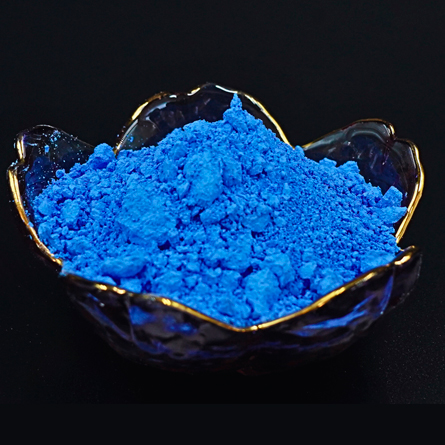
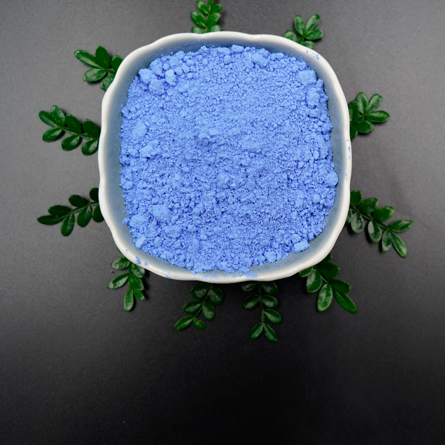
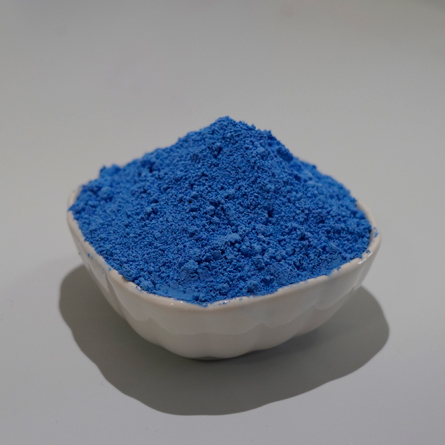
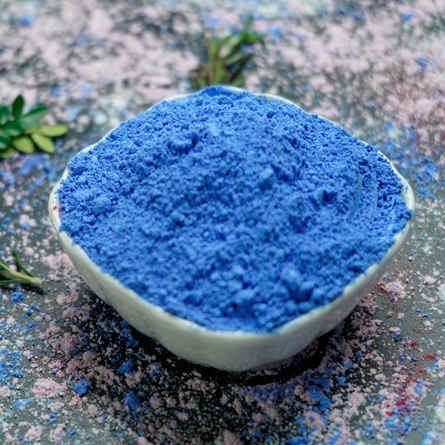
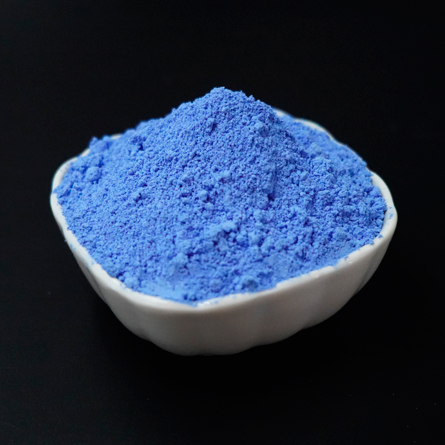
| Copper Glycine | 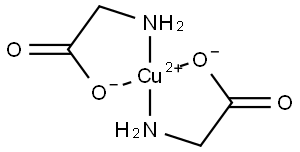 |
| CAS | 13479-54-4 |
| molecular weight | 211.66 |
| molecular formula | C4H8CuN2O4 |
| solubility | Soluble in water, slightly soluble in ethanol |
| color | Blue |
| flavor | Odorless |
| state | Needle-shaped crystals or scales |
| melting point | 213℃ |
| boiling point | 228℃ |
Copper glycinate, a chelated compound of copper and the amino acid glycine, offers a premium form of copper supplementation celebrated for its high bioavailability, digestive tolerance, and multifunctional health benefits. By combining copper’s essential roles in energy production, antioxidant defense, and connective tissue health with glycine’s protective properties, it delivers targeted support for whole-body wellness. Here’s a breakdown of its key advantages:
1. Superior Bioavailability for Efficient Copper Uptake
Chelated Structure for Optimal Absorption: The bond between copper and glycine creates a stable, low-molecular-weight complex that bypasses digestive barriers. Unlike inorganic copper salts (e.g., copper sulfate, oxide), which can react with dietary phytates, fibers, or stomach acid to form insoluble compounds, copper glycinate is absorbed as a complete unit in the intestines. This results in 20–30% higher bioavailability, ensuring more copper reaches cells where it’s needed for enzymatic reactions, collagen synthesis, and neurotransmitter regulation.
pH-Independent Absorption: Stable across all digestive pH levels, it doesn’t rely on strong stomach acid to dissolve—ideal for individuals with low gastric acid (common in older adults, those on acid blockers, or with digestive disorders)—ensuring consistent copper delivery regardless of digestive health.
2. Gentle on the Digestive System
Minimal Gastrointestinal Side Effects: Glycine, a non-essential amino acid known for its buffering properties, neutralizes copper’s potential to cause stomach irritation, nausea, or diarrhea—common complaints with non-chelated copper forms. This makes copper glycinate a well-tolerated option for long-term use, even for those with sensitive digestive systems, irritable bowel syndrome (IBS), or when taken on an empty stomach.
Non-Reactive and Stable: Maintains its structure through digestion without forming gas-producing byproducts, ensuring predictable release of copper without adverse interactions in the gut.
3. Powerful Support for Antioxidant Defense & Energy Metabolism
SOD Activation for Oxidative Stress Control: Copper is a critical cofactor for superoxide dismutase (SOD), the body’s primary antioxidant enzyme that neutralizes free radicals and reduces oxidative damage to cells. Glycine enhances this process by supporting mitochondrial function, boosting SOD activity, and protecting against chronic diseases linked to inflammation (e.g., heart disease, neurodegeneration).
Energy Production Synergy: Copper is essential for enzymes involved in the electron transport chain (e.g., cytochrome c oxidase), driving ATP (energy) production. Glycine’s role in gluconeogenesis (glucose production) and creatine synthesis further enhances metabolic efficiency, making copper glycinate a strategic choice for individuals with high energy demands (athletes, professionals) or age-related fatigue.
4. Connective Tissue & Cardiovascular Health
Collagen & Elastin Synthesis: Copper is vital for the formation of collagen (skin, bones, tendons) and elastin (blood vessel elasticity). Glycine, as a building block for proteins, supports these processes, promoting joint flexibility, bone density, and vascular health. Together, they combat age-related connective tissue degeneration, reducing the risk of osteoporosis, arthritis, or cardiovascular dysfunction.
Iron Metabolism Support: Aids in the absorption and transport of iron (via ceruloplasmin), preventing iron-deficiency anemia and supporting red blood cell formation—especially important for vegetarians, pregnant women, or individuals with nutrient absorption issues.
5. Cognitive & Neurological Benefits
Neurotransmitter Regulation: Copper influences the synthesis of neurotransmitters like dopamine, norepinephrine, and serotonin, which regulate mood, memory, and cognitive function. Glycine acts as a co-agonist at NMDA receptors, enhancing synaptic plasticity and protecting neurons from oxidative stress—beneficial for individuals with stress-related disorders, age-related cognitive decline, or neurological conditions.
Blood-Brain Barrier Permeability: The glycine chelate helps copper cross into the brain more efficiently, supporting calcium-dependent processes in neurons and maintaining the integrity of the nervous system.
6. Skin Health & Wound Healing
Antimicrobial & Anti-Inflammatory Action: Copper has inherent antimicrobial properties, combating bacteria and fungi on the skin, while glycine reduces inflammation and supports tissue repair. This makes copper glycinate effective in topical creams for wound healing, acne management, and reducing scarring.
Collagen-Driven Anti-Aging: By boosting collagen production and protecting against UV-induced oxidative damage, it improves skin elasticity, minimizes fine lines, and promotes a youthful complexion—often included in anti-aging supplements and skincare formulations.
7. Versatile Application Across Life Stages
Prenatal and Pediatric Use: Gentle enough for pregnant women (supporting fetal development of connective tissues and nervous system) and children (aiding growth, immune maturation, and cognitive development).
Senior Care: Combats age-related copper deficiency (linked to weakened immunity, joint stiffness, and cognitive decline), supporting overall vitality and resilience.
Sports Nutrition: Aids in muscle recovery, reduces exercise-induced oxidative stress, and supports energy metabolism—often included in recovery supplements for active individuals.
Multinutrient Formulas: Safe for pairing with other minerals (e.g., zinc, magnesium) and vitamins (e.g., vitamin C, B vitamins) without competitive absorption issues, making it ideal for daily multivitamins.
8. Regulatory Safety & Natural Synergy
GRAS-Approved and Biocompatible: Derived from natural amino acids and copper, it is recognized as safe (GRAS) by regulatory bodies (FDA, EFSA), ensuring consumer trust for daily use.
Clean Label Appeal: Aligns with preferences for “natural” and “amino acid-bound” supplements, often used in organic or premium formulations free from synthetic additives.
Copper glycinate stands out as a premier copper supplement due to its unique combination of high absorbability, digestive tolerance, and multifunctional benefits for immunity, metabolism, and connective tissue health. It’s an excellent choice for individuals seeking a gentle, effective copper form—especially those who have struggled with traditional copper supplements or prioritize holistic wellness across all life stages.
Copper glycinate plays a pivotal role in maintaining skin elasticity, combating aging, and supporting wound healing through three core mechanisms:
Collagen & Elastin Production:
Copper is a key cofactor for lysyl oxidase, the enzyme responsible for cross-linking collagen and elastin fibers—essential for skin firmness, tensile strength, and wrinkle resistance. Glycine, as a building block of these proteins, ensures an adequate supply of amino acids for their synthesis, preventing age-related collagen degradation and sagging. Together, they restore skin elasticity, minimize fine lines, and promote a youthful complexion.
Antioxidant Protection Against Environmental Stress:
Copper activates superoxide dismutase (SOD), the body’s most potent antioxidant enzyme, which neutralizes free radicals generated by UV radiation, pollution, and stress. Glycine enhances this effect by supporting mitochondrial health, reducing oxidative damage to skin cells and DNA. This dual action protects against photoaging (dark spots, rough texture) and strengthens the skin barrier, locking in moisture and resisting external aggressors.
Wound Healing & Inflammation Control:
Copper’s antimicrobial properties combat bacteria (e.g., S. aureus) on the skin, while glycine reduces inflammatory cytokines (e.g., TNF-α), calming redness and irritation. Together, they accelerate epithelial cell regeneration, improve collagen deposition in wounds, and minimize scarring—making copper glycinate effective in topical creams for acne, surgical incisions, or chronic skin conditions like eczema.
For joints, copper glycinate supports structural integrity and mobility by targeting key biological processes:
Collagen & Cartilage Preservation:
Copper is vital for maintaining the extracellular matrix of cartilage, tendons, and ligaments—critical for shock absorption and joint flexibility. It aids in the synthesis of proteoglycans (cartilage’s shock-absorbing molecules) and prevents collagen breakdown by inhibiting matrix metalloproteinases (MMPs), enzymes that degrade connective tissue. Glycine, as a precursor for creatine and glutathione, further supports tendon elasticity and reduces exercise-induced tissue stress, making it ideal for active individuals or those with repetitive strain injuries.
Anti-Inflammatory Support for Joint Comfort:
Chronic joint inflammation (e.g., in osteoarthritis or rheumatoid arthritis) is driven by oxidative stress and cytokine overproduction. Copper’s SOD activity quenches free radicals that fuel inflammation, while glycine modulates the immune response by inhibiting pro-inflammatory pathways (e.g., NF-κB). This combination reduces joint swelling, pain, and stiffness, improving range of motion and quality of life—especially for older adults or those with age-related joint degeneration.
Vascular Health for Nutrient Delivery:
Copper ensures the integrity of blood vessels supplying joints, supporting the delivery of oxygen, nutrients, and anti-inflammatory molecules to cartilage and synovial fluid. Glycine’s role in energy metabolism (via the Krebs cycle) ensures these tissues receive the ATP needed for repair and maintenance, preventing degeneration due to nutrient deprivation.
The chelation of copper with glycine amplifies its benefits for skin and joints in two key ways:
Enhanced Bioavailability & Tissue Targeting:
Glycine’s low-molecular-weight structure escorts copper across the intestinal lining and into cells, bypassing digestive inhibitors (e.g., phytates) and ensuring efficient uptake by skin fibroblasts and chondrocytes (cartilage cells). This targeted delivery means more copper is available where it’s needed most—for collagen synthesis in the dermis and proteoglycan production in joints.
Gentle Absorption for Sustained Use:
Unlike harsh inorganic copper salts (e.g., copper sulfate), which can cause digestive irritation, copper glycinate’s amino acid complex is gentle on the gut, allowing consistent daily intake. This is critical for long-term support of skin elasticity and joint health, as both systems require ongoing nutritional support to resist degeneration.
Why Copper Glycine is a Double Threat for Skin and Joints
By merging copper’s structural and enzymatic prowess with glycine’s protective and reparative properties, copper glycinate offers a holistic, science-backed solution that:
Repairs from within: Boosts collagen and elastin for skin firmness and joint stability.
Fights inflammation: Reduces oxidative stress and cytokine activity in both skin and joints.
Delivers gently: Ensures consistent nutrient supply without digestive compromise, ideal for long-term use.
Whether applied topically in anti-aging serums or taken orally to support joint mobility, copper glycinate proves that two essential nutrients, when paired strategically, can achieve far more than the sum of their parts—nurturing the body’s most visible and vulnerable connective tissues with precision and efficacy.