Feb 24-2026
Food Grade Magnesium Chloride (CAS 7786-30-3)
READ MORE >
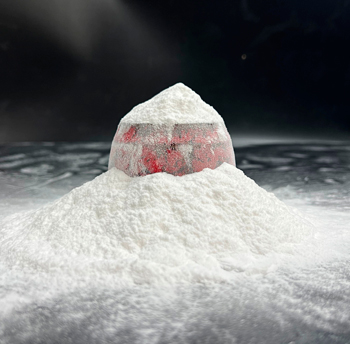
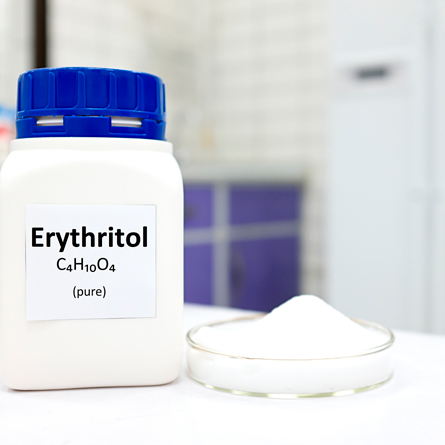
A sugar alcohol (0.2kcal/g), used as a low-calorie sweetener in sugar-free foods (candy, baked goods). It has a cooling taste, minimal impact on blood sugar, and low gastrointestinal side effects, appealing to low-carb diets.
| Erythritol | 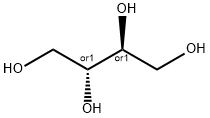 |
| CAS | 149-32-6 |
| molecular weight | 122.12 |
| molecular formula | C4H10O4 |
| solubility | H2O: 0.1 g/mL, transparent to almost transparent, colorless |
| color | White to off-white |
| flavor | Odorless |
| state | Crystalline powder or crystals |
| melting point | 118-120 °C |
| boiling point | 329-331 °C |
Erythritol, a sugar alcohol (polyol) naturally found in fruits, mushrooms, and fermented foods, has gained popularity as a low-calorie sweetener. Its unique properties make it a favored ingredient in various food products, offering several benefits for health-conscious consumers and food manufacturers alike. Here’s a breakdown of its key advantages:
1. Low-Calorie Sweetness for Weight Management
Minimal Caloric Impact: Erythritol provides only about 0.2 calories per gram, significantly less than table sugar (4 calories per gram). This makes it an ideal sweetener for those looking to reduce calorie intake without sacrificing sweetness, supporting weight management goals. Whether used in beverages, baked goods, or confectionery, it allows individuals to enjoy sweet treats with fewer calories.
No Effect on Blood Sugar Levels: Unlike regular sugar, erythritol does not cause a significant spike in blood glucose or insulin levels. It passes through the digestive system largely unmetabolized, making it suitable for people with diabetes or those following a low-glycemic diet. This property helps maintain stable blood sugar levels and reduces the risk of energy crashes associated with sugar consumption.
2. Sweet Taste with Minimal Aftertaste
Natural Sweetness Profile: Erythritol offers a sweetness similar to sucrose, providing about 70–80% of the sweetness intensity of table sugar. Its clean, sweet taste closely mimics that of sugar, with minimal to no bitter or cooling aftertaste often associated with other sugar substitutes. This makes it a versatile ingredient that can be used in a wide range of products, from beverages and desserts to sauces and dressings, without altering the desired flavor profile.
Blendability with Other Sweeteners: Erythritol blends well with other natural and artificial sweeteners, such as stevia or monk fruit extract, to enhance sweetness and reduce the potential aftertaste of these alternative sweeteners. This allows food manufacturers to create customized sweetening solutions that meet specific taste preferences and product requirements while maintaining a low-calorie profile.
3. Dental Health Benefits
Non-Cariogenic Property: Bacteria in the mouth cannot ferment erythritol, meaning it does not contribute to the production of acids that erode tooth enamel. This non-cariogenic property helps protect teeth from cavities and tooth decay, making it a dental-friendly alternative to sugar. Regular consumption of products sweetened with erythritol can support oral health and reduce the risk of dental problems, especially for those prone to cavities or with a sweet tooth.
Potential Remineralization Support: Some studies suggest that erythritol may have additional benefits for dental health, such as promoting the remineralization of tooth enamel. While more research is needed to fully understand this effect, its overall positive impact on oral health makes it a popular choice for sugar-free chewing gums, mints, and other oral care products.
4. Stability and Functionality in Food Products
Thermal Stability: Erythritol has excellent thermal stability, allowing it to withstand high temperatures during baking, cooking, and processing without decomposing or losing its sweetness. This makes it suitable for use in a variety of applications, including baked goods, candies, and ice creams, where it can replace sugar without affecting the texture or quality of the final product.
Moisture Absorption and Preservation: Erythritol has low hygroscopicity, meaning it does not absorb moisture easily. This property helps prevent products from becoming sticky or moist, extending their shelf-life and maintaining their texture and appearance. In baked goods, it can also contribute to a longer-lasting freshness and a more tender crumb.
Volume and Texture Enhancement: In food products, erythritol can provide bulk and volume, similar to sugar, helping to maintain the desired texture and mouthfeel. This is particularly important in products like baked goods, where the absence of sugar could otherwise result in a dense or dry texture. By replacing sugar with erythritol, manufacturers can create products that are both low in calories and satisfying in terms of texture and taste.
5. Safe and Well-Tolerated by the Body
GRAS-Approved and Widely Regulated: Erythritol is recognized as Generally Recognized As Safe (GRAS) by the U.S. Food and Drug Administration (FDA) and has been approved for use as a food additive in many countries around the world. It has a long history of safe use in food products, and extensive research has demonstrated its safety for human consumption.
Low Incidence of Digestive Side Effects: Compared to other sugar alcohols, such as xylitol or sorbitol, erythritol is generally well-tolerated by the digestive system. It is rapidly absorbed in the small intestine and excreted unchanged in the urine, reducing the likelihood of causing digestive discomfort, bloating, or diarrhea. However, as with any food ingredient, individual tolerance may vary, and excessive consumption of erythritol could potentially lead to mild digestive symptoms in some people.
In summary, erythritol offers a range of benefits as a low-calorie sweetener, making it an attractive option for both consumers and food manufacturers. Its low-calorie content, minimal impact on blood sugar levels, pleasant taste, dental health benefits, stability in food products, and safety profile make it a versatile and valuable ingredient in the development of healthier food and beverage options.
Erythritol delivers 95% fewer calories than sugar while retaining the sensory appeal of sweetness, making it a cornerstone of calorie-conscious formulations:
Minimal Caloric Load: With just 0.2 calories per gram (vs. 4 calories for sucrose), it allows manufacturers to slash calorie counts in products like sodas, cookies, and ice creams without sacrificing sweetness. For example, a 12-ounce erythritol-sweetened soda contains <5 calories, compared to 150+ in a sugary version—a game-changer for weight management-focused consumers.
Blood Sugar Neutrality: Unlike sugar, erythritol is non-glycemic (glycemic index = 0), meaning it doesn’t spike blood glucose or insulin levels. This makes it ideal for diabetic-friendly foods, keto snacks, and low-carb products, where maintaining stable blood sugar is critical. Studies show it won’t trigger the “sugar crash” associated with regular sugar, aligning with clean energy trends.
Erythritol’s sugar-like profile solves the biggest challenge of low-calorie sweeteners: replicating sugar’s sensory experience:
Pure, Unadulterated Sweetness: At 70–80% the sweetness of sucrose, it delivers a clean, neutral sweetness with no cooling or bitter aftertaste (a common flaw in other sugar alcohols like xylitol or sorbitol). This makes it perfect for fruit-flavored yogurts, protein bars, and baked goods, where authentic sweetness is non-negotiable.
Bulk and Texture Preservation: As a bulk sweetener, erythritol mimics sugar’s physical properties:
In baked goods, it provides crunch in cookies, tenderness in cakes, and prevents frosting from becoming grainy—even in low-fat recipes.
In ice cream and frozen desserts, it inhibits ice crystal formation, ensuring a creamy, smooth texture identical to full-sugar versions.
In chewing gum and mints, its non-hygroscopic nature (doesn’t absorb moisture) keeps products from sticking to teeth or melting in warm climates.
Erythritol excels in industrial formulations by overcoming the limitations of other low-calorie sweeteners:
Thermal & Chemical Stability:
Withstands high temperatures (up to 200°C), making it ideal for baking, caramelization, and extrusion processes—unlike stevia or monk fruit, which can lose potency or develop off-flavors when heated.
Maintains stability in acidic environments (e.g., sodas, citrus drinks), ensuring consistent sweetness throughout the shelf-life.
Synergy with Other Sweeteners:
Enhances the potency of high-intensity sweeteners (stevia, sucralose) by masking their bitter aftertaste, allowing manufacturers to use lower doses and achieve “full-sugar” taste with minimal calories.
Works in blends with fiber or prebiotics (e.g., in granola, breakfast bars) to create multi-functional, nutrient-dense products.
Clean Label & Regulatory Trust:
Derived from fermented glucose (or naturally occurring in foods like pears and mushrooms), it qualifies for “natural,” “non-GMO,” and “organic” claims (when produced via non-GMO fermentation).
Approved as safe by FDA (GRAS), EFSA, and global regulators, with no upper intake limit, making it a low-risk choice for all ages—even infants in baby food.
Beyond calorie reduction, erythritol offers secondary benefits that align with holistic health trends:
Cavity-Proof Sweetness: Since oral bacteria can’t metabolize it, erythritol is non-cariogenic, protecting teeth from erosion—ideal for kids’ snacks, sugar-free candies, and oral care products (e.g., mints, gum).
Gentle on the Gut: Unlike other sugar alcohols (e.g., maltitol, which can cause bloating), erythritol is 90% absorbed in the small intestine and excreted unchanged in urine, minimizing digestive side effects even at high doses. This makes it suitable for sensitive stomachs, IBS-friendly foods, and low-FODMAP diets.
Why Erythritol Leads the Low-Calorie Sweetener Revolution
By addressing three critical needs in food formulation—calorie reduction, sensory accuracy, and functional stability—erythritol enables brands to create products that are:
Healthier: Low-calorie, non-glycemic, and dental-friendly, meeting consumer demand for proactive wellness.
Authentic: Tastes and feels like sugar, eliminating the “diet food” stigma.
Innovative: Works across categories (bakery, beverages, confectionery) with minimal reformulation effort, future-proofing products for evolving dietary trends.
From the crispiness of a low-calorie cookie to the smoothness of a sugar-free latte, erythritol proves that cutting calories doesn’t mean cutting corners. It’s not just a sweetener; it’s the bridge between indulgence and health—a must-have for any brand aiming to deliver “better-for-you” products that don’t compromise on taste or texture.