



Feb 24-2026
Food Grade Magnesium Chloride (CAS 7786-30-3)
READ MORE >
A potassium salt of citric acid, providing soluble potassium for electrolyte balance, kidney health, and urinary alkalinization. Used in sports drinks, supplements, or medical treatments to prevent potassium deficiency and kidney stones
| Potassium Citrate | 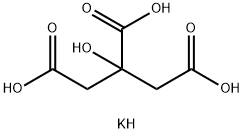 |
| CAS | 866-84-2 |
| molecular weight | 232.23 |
| molecular formula | C6H9KO7 |
| solubility | H2O:1 Mat 20 °C, transparent, colorless |
| color | White or slightly yellowish |
| flavor | Odorless |
| state | Crystalline granules or crystalline powder |
| melting point | 230 ℃ |
| boiling point | / |
Potassium citrate, a water-soluble salt of potassium and citric acid, is a versatile compound celebrated for its role in electrolyte balance, kidney health, and whole-body wellness. Combining the essential mineral potassium with citric acid’s metabolic benefits, it offers targeted advantages in regulating pH, supporting cardiovascular function, and addressing nutrient deficiencies. Here’s a breakdown of its key benefits:
1. Critical Electrolyte Balance for Nerve, Muscle, and Heart Function
Essential for Cellular Communication: Potassium is a primary intracellular electrolyte, vital for transmitting nerve impulses, contracting muscles (including the heart), and maintaining normal heart rhythm. Potassium citrate ensures a bioavailable form of potassium that supports:
Heart Health: Regulates electrical signals in cardiac cells, reducing the risk of arrhythmias and supporting blood pressure management (by counteracting sodium’s 升压 effects).
Muscle Function: Prevents cramps, weakness, or stiffness by balancing sodium-potassium pump activity, critical for athletes, older adults, or those with low potassium intake.
Gentle Replenishment for Deficiency: Ideal for treating hypokalemia (low potassium) caused by diuretics, diarrhea, or poor diet, as its citrate backbone minimizes gastric irritation compared to potassium chloride.
2. Kidney Protection & Stone Prevention
Potassium citrate is a gold-standard supplement for kidney health, particularly in preventing kidney stones:
Urinary Alkalinization: Increases urine pH, making it less acidic. This inhibits the formation of calcium oxalate stones (the most common type) by binding to free calcium and reducing oxalate absorption, while also enhancing the solubility of uric acid and cystine stones.
Citrate-Mediated Stone Inhibition: Citrate acts as a natural inhibitor of crystal growth, preventing small stone precursors from clumping together. Clinical studies show it reduces stone recurrence by 30–50% in susceptible individuals (e.g., those with hypocitraturia, a common risk factor for stones).
Hydration and Waste Removal: Supports renal blood flow and toxin excretion, aiding overall kidney function and reducing the burden of metabolic waste.
3. Acid-Base Balance & Systemic pH Regulation
Buffer for Metabolic Acidity: Neutralizes excess acid in the body, which can arise from high-protein diets, strenuous exercise, or conditions like diabetes (ketoacidosis). This is critical for:
Bone Health: Reduces acid-induced calcium loss from bones, helping maintain bone density and prevent osteoporosis, especially in postmenopausal women or those with chronic acidosis.
Gout and Uric Acid Control: Alkalinizes urine to enhance uric acid excretion, lowering blood uric acid levels and reducing the risk of gout attacks or uric acid stone formation.
Gastrointestinal Comfort: As a mild alkalizer, it may relieve symptoms of acid reflux (heartburn) by neutralizing stomach acid, though it’s not a substitute for prescription treatments.
4. Metabolic and Nutritional Synergy
Enhanced Nutrient Absorption: Citric acid improves the solubility of minerals like calcium and magnesium, aiding their absorption in the intestines—valuable in multi-mineral supplements or fortified foods.
Energy Metabolism Support: Potassium is essential for converting glucose to glycogen (storage form of sugar) in the liver and muscles, supporting stable energy levels and post-exercise recovery.
Diuretic-Related Support: For individuals taking loop or thiazide diuretics (which can deplete potassium), potassium citrate replenishes lost stores without exacerbating electrolyte imbalances.
5. Safe, Well-Tolerated, and Versatile
Low Risk of Gastrointestinal Side Effects: The citrate anion buffers potassium’s potential to cause stomach irritation, making it suitable for long-term use even in sensitive individuals (e.g., those with IBS or ulcers).
Regulatory Compliance: Recognized as safe (GRAS) by the FDA for use in food (as an acidity regulator, preservative) and supplements, with clear dosing guidelines to avoid excess potassium (critical for those with kidney disease, who should consult a doctor).
Multi-Application Use:
Food Industry: Used in beverages (sports drinks, sodas), processed foods, and infant formulas to adjust acidity, enhance flavor, or fortify potassium.
Pharmaceuticals: Formulated in effervescent tablets, powders, or capsules for easy administration, often combined with magnesium or vitamin D for holistic mineral balance.
6. Sports and Exercise Performance
Electrolyte Replenishment: Replaces potassium lost through sweat during intense workouts, preventing cramps and maintaining muscle function—key for endurance athletes or those in hot environments.
Acidosis Mitigation: Reduces lactic acid buildup in muscles, improving recovery time and reducing post-exercise soreness.
Who Benefits from Potassium Citrate?
Kidney Stone Survivors: To prevent recurrence and support urinary health.
Hypertension Patients: As part of a sodium-restricted diet to promote blood pressure control.
Athletes/Active Individuals: To maintain electrolyte balance and muscle function.
Osteoporosis-Prone Populations: To protect bone health by reducing acid-induced calcium loss.
Gout Sufferers: To enhance uric acid excretion and reduce flare-ups.
Potassium citrate stands out for its unique blend of electrolyte regulation, kidney protection, and pH balancing, making it a cornerstone of preventive care and targeted supplementation. Whether addressing a clinical need (e.g., stone prevention, hypokalemia) or supporting overall wellness (e.g., bone health, heart function), its safety, efficacy, and versatility make it an essential nutrient for those seeking to optimize mineral balance and systemic health. Always consult a healthcare provider before starting any potassium supplement, especially if you have kidney issues or take prescription medications.
Potassium citrate acts as a pH buffer, ensuring optimal acidity levels in a wide range of food products:
pH Balance for Shelf Stability:
In beverages (sports drinks, sodas, juices), it prevents acid-induced spoilage by maintaining a stable pH, inhibiting microbial growth (e.g., bacteria, yeast) and preserving product integrity.
In canned foods (fruits, vegetables, soups), it adjusts acidity to meet safety standards for heat processing, reducing the risk of botulism while preserving color and texture.
Acid Neutralization for Mildness:
Softens the sharpness of high-acid ingredients (e.g., vinegar, citrus juice) in salad dressings, sauces, and marinades, creating a smoother, more balanced taste without overpowering sourness.
Ideal for baby food and pediatric formulas, where gentle acidity is critical for digestive tolerance and nutrient absorption.
Beyond acidity control, potassium citrate optimizes flavor profiles in complex formulations:
Bitterness and Astringency Reduction:
Neutralizes metallic or bitter notes in fortified foods (e.g., iron-enriched cereals, protein shakes) and plant-based meats, improving palatability without compromising nutrition.
Softens the harshness of low-calorie sweeteners (e.g., aspartame, stevia) in diet drinks and sugar-free products, creating a more natural, rounded sweetness.
Umami and Natural Flavor Boost:
Enhances the savory “umami” taste in processed meats, soups, and snacks by synergizing with glutamates, while amplifying the fresh, citrusy notes in beverages and desserts—a subtle yet powerful flavor enhancer.
In fermented foods (yogurt, kimchi), it balances lactic acid’s tanginess, ensuring a harmonious blend of sour and savory notes.
Potassium citrate adds value beyond taste, delivering nutritional and structural advantages:
Electrolyte Fortification for Hydration:
In sports drinks and electrolyte waters, it provides bioavailable potassium (an essential electrolyte lost in sweat), supporting hydration, muscle function, and heart health—appealing to active consumers and wellness-focused brands.
Fortifies infant formulas and geriatric nutrition products, ensuring balanced mineral intake for vulnerable populations.
Texture and Processing Aids:
Acts as a chelating agent in dairy products (yogurt, cheese) to prevent calcium-induced curdling, maintaining smooth textures.
Enhances the solubility of minerals and vitamins in fortified beverages and meal replacements, ensuring uniform nutrient distribution without sedimentation.
Clean Label Compliance:
Derived from natural citric acid (found in citrus fruits) and potassium, it aligns with “clean label” trends, replacing synthetic acidity regulators (e.g., sodium benzoate) in organic, non-GMO, or premium products.
Recognized as safe (GRAS) by the FDA and widely approved globally, it meets strict regulatory standards for use in infant food, dietary supplements, and everyday groceries.
Potassium citrate works seamlessly with other food components to create well-rounded products:
Sodium Reduction Strategies:
In low-sodium soups, sauces, and snacks, it compensates for reduced sodium by enhancing flavor and electrolytic balance, helping manufacturers meet “low-salt” claims without sacrificing taste.
Natural Preservative Enhancement:
-Pairs with vitamin C (ascorbic acid) in fruit preserves and jams to extend shelf-life through combined pH control and antioxidant effects, reducing reliance on synthetic preservatives.
Why Potassium Citrate is a Food Formulator’s Essential Tool
By addressing three core challenges in food development—acidity control, flavor harmony, and functional nutrition—potassium citrate offers a triple-threat solution:
Technical Excellence: Stabilizes pH, prevents spoilage, and ensures consistent texture across processing conditions.
Sensory Appeal: Neutralizes off-flavors, enhances natural tastes, and adapts to diverse culinary needs.
Health-Conscious Innovation: Delivers essential electrolytes, supports clean label goals, and caters to growing demand for nutrient-dense, great-tasting foods.
From sports drinks that fuel hydration to baby formulas that prioritize gentle nutrition, potassium citrate proves that a single ingredient can balance science and taste—making it an indispensable asset in modern food formulation. Its ability to enhance both the technical and sensory aspects of food ensures it remains a staple for brands aiming to deliver excellence in every bite.