Feb 24-2026
Food Grade Magnesium Chloride (CAS 7786-30-3)
READ MORE >
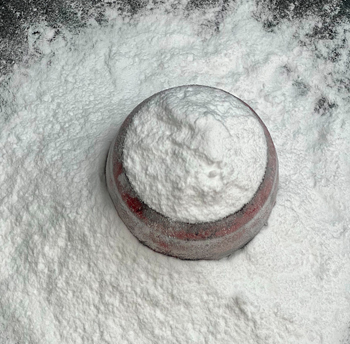
A sodium salt of octanoic acid, used as a food preservative (e.g., cheese) or pharmaceutical stabilizer. It exhibits antimicrobial activity in acidic environments, extending shelf life while complying with food safety standards.
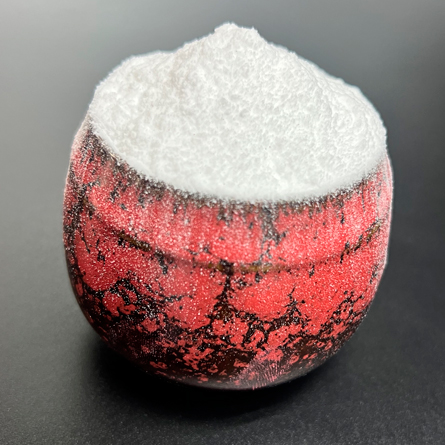
| Sodium 0ctanoate | 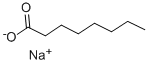 |
| CAS | 1984-6-1 |
| molecular weight | 166.19 |
| molecular formula | C8H15NaO2 |
| solubility | Solubility in water 50mg/mL, clear |
| color | White to off-white |
| flavor | Characteristic odor |
| state | Powder |
| melting point | ~245℃(dec.) |
| boiling point | 239.3℃ |
Sodium octanoate, the sodium salt of octanoic acid (an 8-carbon medium-chain fatty acid naturally found in coconut oil, palm kernel oil, and human breast milk), offers a unique blend of benefits across food, health, industry, and personal care. Its antimicrobial, emulsifying, and bioavailable properties make it a versatile ingredient. Here’s a breakdown of its key advantages:
1. Food Industry: Antimicrobial Protection & Preservative Action
Natural Antimicrobial Agent:
Inhibits the growth of bacteria, yeast, and molds (e.g., S. aureus, Candida, Aspergillus) by disrupting microbial cell membranes, making it an effective natural preservative in food and beverages.
Commonly used in dairy products (yogurt, cheese), bakery goods (bread, pastries), and beverages (acidic drinks, nut milks) to extend shelf-life without synthetic additives—aligning with clean-label and “free-from” trends.
GRAS-Approved Safety:
Recognized as safe (GRAS) by the FDA and EFSA, it replaces controversial preservatives like sodium benzoate in organic or premium food products, appealing to health-conscious consumers.
Acidifier and pH Stabilizer:
Regulates acidity in canned foods and dressings, enhancing flavor stability while supporting antimicrobial efficacy in low-pH environments.
2. Medical and Nutritional Support
Antifungal and Antibacterial Therapies:
Used in topical creams and oral formulations to combat fungal infections (e.g., candidiasis) and bacterial overgrowth, particularly in the gastrointestinal tract. Its small molecular size allows easy absorption, making it effective for systemic or localized treatments.
Medium-Chain Fatty Acid (MCFA) Synergy:
Octanoic acid is a MCFA rapidly metabolized into energy by the liver, bypassing lipid storage pathways. Sodium octanoate supports metabolic health in medical foods (e.g., formulas for malabsorption syndromes, ketogenic diets) by providing a quick energy source and aiding nutrient absorption.
Drug Delivery Enhancement:
Acts as a carrier for fat-soluble drugs or vitamins, improving their solubility and bioavailability in oral or topical formulations (e.g., lipid-based nanocarriers for targeted cancer therapies).
3. Industrial and Technical Applications
Surfactant and Emulsifier:
In cosmetics and personal care, it stabilizes oil-in-water emulsions in creams, lotions, and shampoos, ensuring uniform texture and preventing phase separation. Its gentle nature makes it suitable for baby products or sensitive skin formulas.
In industrial settings, it functions as a cleaning agent in degreasers and detergents, breaking down oils and greases effectively while remaining biodegradable—ideal for “green” household cleaners.
Polymer and Resin Additive:
Improves the stability and processability of plastics and resins (e.g., PVC, polyolefins) as a lubricant and heat stabilizer, reducing friction during manufacturing and enhancing product durability.
Water Treatment and Metalworking:
Used in metalworking fluids as a corrosion inhibitor and emulsifier, protecting machinery from rust while maintaining fluid stability in high-pressure applications.
4. Natural Origins and Regulatory Compliance
Sustainable Sourcing:
Derived from renewable plant oils (coconut, palm kernel) or as a byproduct of biodiesel production, it aligns with eco-friendly and circular economy goals, minimizing reliance on petroleum-based surfactants.
Biocompatible and Low Toxicity:
Naturally present in human breast milk and dietary fats, sodium octanoate is well-tolerated by the body, with minimal risk of skin irritation or systemic toxicity—critical for use in infant formulas, medical foods, or personal care.
Global Regulatory Approval:
Approved for use in food, cosmetics, and pharmaceuticals across major markets (FDA, EFSA, EU Cosmetics Regulation), ensuring compliance for international formulations.
5. Gut Health and Nutrient Absorption
Prebiotic-like Effects:
In the gastrointestinal tract, it may support the growth of beneficial bacteria (e.g., Lactobacillus) while inhibiting pathogens, contributing to gut microbiome balance and digestive health.
Enhanced Mineral Absorption:
As a fatty acid salt, it aids in the absorption of fat-soluble vitamins (A, D, E, K) and minerals (calcium, magnesium) by forming soluble complexes, making it valuable in nutritional supplements or fortified foods.
Who Benefits from Sodium Octanoate?
Food Manufacturers: Seeking natural preservatives for clean-label products with extended shelf-life.
Pharmaceutical and Nutraceutical Brands: Utilizing its antimicrobial and MCFA properties in medical foods, supplements, or antifungal therapies.
Cosmetic Formulators: Creating stable, gentle emulsions for sensitive skin or baby care products.
Eco-Conscious Consumers: Opting for biodegradable, naturally derived ingredients in household and personal care items.
Sodium octanoate stands out for its natural antimicrobial power, metabolic benefits, and industrial versatility, offering solutions that bridge health, sustainability, and functionality. Its unique position as a safe, effective, and renewable ingredient makes it a valuable asset for industries and consumers prioritizing efficacy without compromising on safety or environmental responsibility.
Sodium octanoate serves as a clean-label preservative in nutritional products, addressing the demand for natural, synthetic-free solutions:
Broad-Spectrum Microbial Control: By disrupting the cell membranes of bacteria, yeast, and molds (e.g., E. coli, Candida albicans), it inhibits spoilage and pathogenic growth in dairy alternatives, fortified beverages, and meal replacement shakes. This extends shelf-life without compromising product integrity, ideal for ready-to-drink supplements or probiotic-rich foods where microbial stability is critical.
GRAS-Approved Clean Label Appeal: Recognized as safe (GRAS) by the FDA and EFSA, it replaces controversial preservatives like sodium benzoate or potassium sorbate in organic infant formulas, plant-based milks, and functional snacks, aligning with consumer preferences for “clean” ingredients and minimal processing.
pH-Compatible Preservation: Effective in both acidic (e.g., fruit juices, yogurt) and neutral pH environments, it stabilizes the microbiome of fermented foods (e.g., kefir, kombucha) while enhancing flavor consistency—key for probiotic supplements where live cultures must remain viable through shelf-life.
As a source of medium-chain fatty acids (MCFAs), sodium octanoate offers distinct advantages in nutritional products targeting energy metabolism and nutrient absorption:
Instant Fuel for Efficient Energy Production: Octanoic acid is rapidly absorbed and metabolized by the liver into ketone bodies and ATP, bypassing the need for bile salts or lymphatic transport. This makes it ideal for medical foods designed for individuals with malabsorption syndromes (e.g., cystic fibrosis, short bowel syndrome), as well as ketogenic diet supplements, where quick, sustained energy is essential.
Enhanced Nutrient Utilization: In infant formulas and geriatric nutrition, it aids in the absorption of fat-soluble vitamins (A, D, E, K) and minerals (calcium, magnesium) by forming soluble complexes, ensuring optimal nutrient delivery for growth, immune function, and bone health—critical for vulnerable populations with limited digestive capacity.
Low-Calorie, Low-Lipid Formulation: By providing energy-dense MCFAs without contributing to adipose tissue storage, it supports weight management supplements and sports nutrition products, offering a lean energy source for athletes or those seeking metabolic efficiency.
Sodium octanoate’s surfactant properties solve a common challenge in nutritional product development: stabilizing and delivering hydrophobic ingredients:
Uniform Emulsion in Blended Formulas: In plant-based protein shakes or omega-3 fortified foods, it emulsifies oil-based nutrients (e.g., fish oil, algae-derived DHA) with water, preventing separation and ensuring a smooth, consistent texture. This is vital for products where sensory appeal (e.g., no oily residue) and uniform nutrient distribution are non-negotiable.
Solubility Boost for Fat-Soluble Actives: As a solubilizer, it enhances the bioavailability of lipophilic compounds (e.g., coenzyme Q10, curcumin) in daily multivitamins and functional capsules, ensuring these nutrients are effectively absorbed rather than lost in digestion.
Gentle Formulation for Sensitive Systems: Its biocompatible, low-irritant profile makes it suitable for pediatric supplements and gastrointestinal support products, where harsh emulsifiers might disrupt gut health—delivering nutrients without compromising digestive comfort.
Beyond preservation and energy, sodium octanoate supports intestinal wellness through targeted microbial modulation:
Prebiotic-Like Effects: By inhibiting pathogenic bacteria (e.g., Salmonella, Clostridium) and promoting the growth of beneficial gut flora (e.g., Lactobacillus, Bifidobacterium), it helps restore microbiome balance in gut health supplements and probiotic blends, aiding digestion, nutrient uptake, and immune function.
Barrier Function Support: In digestive health formulas (e.g., supplements for IBS or leaky gut), it strengthens intestinal epithelial cells, reducing inflammation and improving the gut’s protective barrier—an often-overlooked benefit in nutritional products focused on gut wellness.
Why Sodium Octanoate is a Nutritional Innovation
By combining natural antimicrobial power, efficient energy metabolism, and nutrient-delivery expertise, sodium octanoate addresses three core needs in modern nutrition:
Safety: Protects products from microbial spoilage with clean-label, regulatory-approved efficacy.
Efficacy: Enhances nutrient absorption and energy utilization, especially for specialized diets and vulnerable populations.
Sustainability: Derived from renewable plant sources, it aligns with global trends toward natural, eco-friendly ingredients.
Whether stabilizing an infant formula, boosting ketone production in a keto shake, or enhancing the bioavailability of a premium multivitamin, sodium octanoate proves that a single ingredient can elevate nutritional products from functional to transformative—bridging science, safety, and consumer demand in one versatile solution.