

Feb 24-2026
Food Grade Magnesium Chloride (CAS 7786-30-3)
READ MORE >
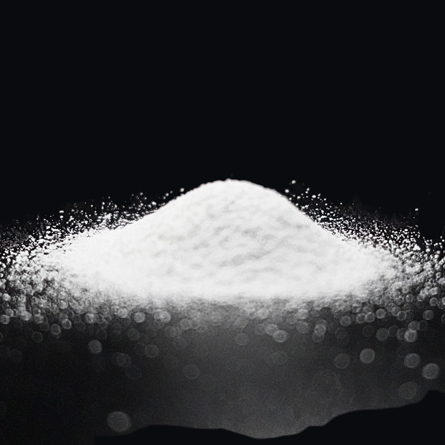
A sodium salt of citric acid, acting as a pH buffer, emulsifier, and preservative in foods (cheeses, sodas). It regulates acidity, enhances flavor, and prevents coagulation in blood products, ensuring stability in various applications.
| Sodium Citrate | 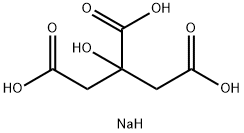 |
| CAS | 24930 |
| molecular weight | 216.12 |
| molecular formula | C6H9NaO7 |
| solubility | Slightly soluble in water |
| color | White to off-white |
| flavor | Odorless |
| state | White crystalline granules or powder |
| melting point | 300°C |
| boiling point | / |
Sodium citrate, the sodium salt of citric acid, is a versatile compound celebrated for its role in food safety, medical care, industrial processes, and environmental sustainability. Derived from natural sources (e.g., citrus fruits) or synthesized industrially, it offers a unique blend of acidity regulation, chelating properties, and biocompatibility. Here’s a breakdown of its key benefits across diverse applications:
1. Food Industry: Acidity Regulation, Stability, and Flavor Enhancement
Sodium citrate is a cornerstone of food formulation, addressing three critical needs:
Precision pH Buffering:
Maintains optimal acidity in beverages (soft drinks, sports drinks, juices), preventing microbial growth and preserving shelf-life while ensuring a balanced taste.
Neutralizes excess acid in canned foods, sauces, and dressings, softening sharp flavors (e.g., vinegar, tomato paste) for smoother palatability—ideal for baby food or low-acid diets.
Emulsification & Texture Stabilization:
Acts as a chelating agent in dairy products (cheese, yogurt, processed milk) to bind calcium ions, preventing curdling and maintaining creamy textures.
Stabilizes oil-in-water emulsions in salad dressings, creams, and soups, preventing phase separation and enhancing mouthfeel.
Clean Label Preservation & Flavor Boost:
Extends shelf-life in processed meats, baked goods, and snacks by inhibiting bacterial growth (e.g., Listeria) without synthetic preservatives, aligning with “clean label” trends.
Enhances umami and natural flavors in soups, broths, and seasonings, masking bitterness in fortified foods (e.g., iron-enriched cereals) for improved palatability.
2. Medical and Pharmaceutical Applications: Safety and Therapeutic Support
In healthcare, sodium citrate plays pivotal roles in both treatment and prevention:
Blood and Plasma Preservation:
As an anticoagulant, it binds calcium ions in blood collection tubes and transfusions, preventing clotting while maintaining cellular integrity—critical for blood banks and emergency medicine.
Acid-Base Balance Regulation:
Oral formulations treat metabolic acidosis (e.g., in kidney disease, diabetes) by neutralizing excess acid in the body, supporting bone health (reducing calcium loss) and cardiovascular function.
Relieves symptoms of gastroesophageal reflux disease (GERD) by temporarily neutralizing stomach acid, though it’s not a substitute for prescription therapies.
Drug Delivery and Stability:
Enhances the solubility of poorly water-soluble drugs in oral liquids, injectables, or creams, ensuring consistent dosage and efficacy.
Acts as a buffer in ophthalmic solutions (eye drops) and topical creams, maintaining pH stability to prevent irritation.
3. Industrial and Technical Applications: Versatile Functional Properties
Sodium citrate’s chelating and alkaline properties make it indispensable in manufacturing:
Detergents and Cleaning Products:
Removes mineral deposits (calcium, magnesium) in laundry detergents, dish soaps, and industrial cleaners, improving cleaning efficiency in hard water areas.
Biodegradable and non-toxic, it replaces harsh chelators (e.g., EDTA) in “green” cleaning formulas, aligning with sustainability goals.
Metal Treatment and Electroplating:
Chelates metal ions in electroplating baths and surface treatments, ensuring uniform metal deposition and preventing corrosion—critical for automotive, electronics, and jewelry industries.
Water Treatment and Scale Prevention:
Inhibits scale formation in boilers, pipelines, and cooling systems by binding calcium and magnesium ions, reducing maintenance costs and extending equipment lifespan.
4. Environmental Sustainability and Safety
Sodium citrate stands out for its natural origins and low environmental impact:
Biodegradable and Non-Toxic:
Breaks down into carbon dioxide, water, and biomass, making it safe for wastewater systems and eco-friendly formulations—ideal for agricultural (e.g., pesticide adjuvants) and marine applications.
GRAS-Approved and Regulatory Compliance:
Recognized as safe (GRAS) by the FDA, EFSA, and global regulatory bodies for use in food, medicine, and cosmetics, with no reported toxicity or carcinogenic risks.
Natural Sourcing Options:
Derived from fermented carbohydrates (e.g., corn syrup, molasses) or citrus by-products, it supports circular economy practices and reduces reliance on petrochemical-derived additives.
5. Cosmetics and Personal Care: Gentle Formulation Support
In beauty products, sodium citrate ensures pH balance and ingredient stability:
Skin and Hair Care:
Adjusts pH in shampoos, creams, and toners to match the skin’s natural acid mantle (pH 4.5–5.5), preventing dryness or irritation—especially important for sensitive or eczema-prone skin.
Chelates hard water minerals in soap bars and body washes, improving lather quality and reducing residue on skin/hair.
Preservative Enhancement:
Works with organic acids (e.g., citric acid, vitamin C) in cosmetic formulations to extend shelf-life by inhibiting microbial growth without harsh chemicals.
6. Nutritional and Electrolyte Balance
Electrolyte Replenishment:
Added to sports drinks, rehydration solutions, and infant formulas to provide bioavailable sodium, supporting hydration, nerve function, and muscle contraction—critical for athletes, diarrhea patients, or geriatric nutrition.
Mineral Absorption Support:
Enhances the solubility of calcium and iron in fortified foods and supplements, improving their absorption in the intestines, especially for individuals with malabsorption disorders.
Who Benefits from Sodium Citrate?
Food Manufacturers: Creating stable, flavorful products with clean-label ingredients.
Healthcare Providers: Using it as an anticoagulant, acid buffer, or drug delivery aid.
Eco-Conscious Brands: Leveraging its biodegradability for sustainable cleaning and personal care products.
Consumers: Benefiting from safe food preservation, gentle personal care, and effective rehydration solutions.
Sodium citrate’s versatility, safety, and natural compatibility make it a foundational ingredient across industries, from enhancing the taste of everyday foods to enabling life-saving medical procedures. Its ability to balance acidity, stabilize formulations, and prioritize sustainability ensures it remains a go-to solution for innovation that doesn’t compromise on quality or responsibility.
Sodium citrate’s primary function in dairy lies in its calcium-chelating power, which stabilizes protein structures and oil-water mixtures:
Processed Cheese Perfection:
In cheddar slices, cheese spreads, and fondue, sodium citrate binds calcium ions in milk proteins (casein), preventing them from clumping during heating. This creates a smooth, meltable texture without oily separation, while maintaining the cheese’s creamy mouthfeel and emulsified consistency—critical for products like pizza cheese or cheese sauces.
Yogurt and Cultured Dairy Stability:
In yogurt, kefir, and sour cream, it regulates the aggregation of casein micelles, ensuring a uniform, non-watery texture (preventing whey separation) while supporting the growth of probiotics in stable pH environments.
Dairy-Based Beverages:
Stabilizes flavored milk, creamers, and plant-dairy blends by emulsifying fats and preventing sedimentation, ensuring a consistent mouthfeel and appearance—even in low-fat or shelf-stable formulations.
Beyond dairy, sodium citrate solves emulsification challenges in meat, sauces, and ready-to-eat products:
Processed Meats & Luncheon Meats:
In ham, sausage, and deli meats, it emulsifies fat and water, binding protein matrices to create a homogeneous texture while reducing grease leakage. This enhances slicability, juiciness, and shelf-life, especially in low-fat variants where fat reduction risks texture degradation.
Salad Dressings & Condiments:
Acts as a bridge between oil and vinegar/water in mayonnaise, ranch dressing, and barbecue sauce, preventing separation and creating a smooth, clingy consistency. Its mild alkalinity also softens the sharpness of acetic acid, balancing flavor profiles for a more rounded taste.
Canned Soups & Cream-Based Dishes:
Stabilizes cream soups, chowders, and infant purees by emulsifying fats and thickeners (e.g., starches), ensuring a uniform texture that withstands heat processing and storage without lumps or oil slicks.
Sodium citrate’s natural origins and functional benefits align with modern food industry trends:
Natural Emulsifier for Clean Labels:
Derived from citrus fruits or fermented carbohydrates, it meets consumer demands for "clean" ingredients in dairy and processed foods, replacing synthetic emulsifiers (e.g., polysorbates, mono-diglycerides) in organic, non-GMO, or premium products.
GRAS-Approved and Infant-Friendly:
Recognized as safe (GRAS) by global regulators (FDA, EFSA), it’s even approved for infant formulas and baby food, where gentle emulsification and pH balance are critical for digestive tolerance.
Shelf-Life Extension Without Synthetic Preservatives:
By stabilizing emulsions and inhibiting microbial growth (via pH buffering), it reduces the need for artificial preservatives, supporting "clean label" claims while ensuring product integrity throughout the shelf-life.
Sodium citrate works hand-in-hand with other components to enhance product performance:
Protein Hydration in Dairy:
In reconstituted milk powders or plant-based, it improves protein solubility, ensuring rapid hydration and preventing clumping—essential for instant products like hot cocoa or coffee creamers.
Sodium Reduction Strategies:
In low-sodium cheeses or deli meats, it compensates for reduced sodium by enhancing flavor perception and maintaining emulsification, allowing manufacturers to meet "low-salt" claims without sacrificing texture or taste.
Why Sodium Citrate is Indispensable in Dairy and Processed Foods
By addressing three core challenges—emulsion stability, texture uniformity, and clean label compliance—sodium citrate offers a triple-threat solution:
Technical Excellence: Prevents phase separation, controls protein aggregation, and withstands thermal processing.
Sensory Perfection: Delivers smooth, creamy textures and balanced flavors that consumers expect.
Innovation Enablement: Supports low-fat, organic, and infant-friendly formulations without compromising quality.
From the meltability of processed cheese to the smoothness of your favorite salad dressing, sodium citrate ensures that emulsified foods look, feel, and taste consistent—all while meeting the highest standards of safety and sustainability. It’s not just an emulsifier; it’s the invisible ingredient that holds modern dairy and processed foods together, literally and figuratively.