
Feb 24-2026
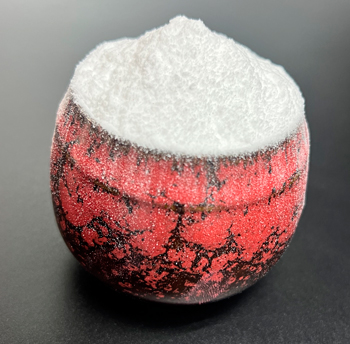
Food Grade Magnesium Chloride (CAS 7786-30-3)
READ MORE >
A sodium salt of myristic acid, primarily used in soaps, detergents, and cosmetics as a surfactant. It has limited food applications, functioning mainly in industrial or personal care products for emulsification.
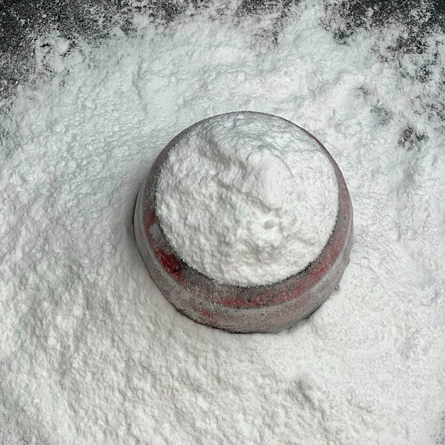
| Sodium Myristate |  |
| CAS | 822-12-8 |
| molecular weight | 250.35 |
| molecular formula | C14H27NaO2 |
| solubility | Almost transparent in hot EtOH 50vol% |
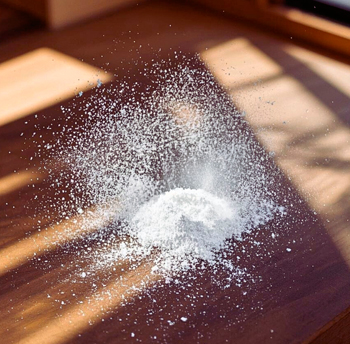
| color | White to nearly white |
| flavor | Odorless and tasteless |
| state | Powder crystals |
| melting point | 330℃ |
| boiling point | 319.6ºC |
Sodium myristate, the sodium salt of myristic acid (a 14-carbon saturated fatty acid naturally found in coconut oil, palm kernel oil, and animal fats), is a versatile ingredient celebrated for its cleansing, emulsifying, and stabilizing properties. Here’s a breakdown of its key benefits across personal care, industry, and beyond:
1. Premium Cleansing & Foaming in Personal Care
Effective Surfactant for Deep Cleaning: As an anionic surfactant, sodium myristate breaks down oils, dirt, and impurities by reducing surface tension, making it a core ingredient in soaps, body washes, shampoos, and facial cleansers. Its foaming ability creates a rich, luxurious lather that lifts grime without leaving residue.
Gentle on Skin and Hair: Despite its strong cleansing power, it is milder than synthetic surfactants like SLS (sodium lauryl sulfate), making it suitable for sensitive skin and scalp. It helps maintain the skin’s natural moisture barrier, reducing dryness or irritation—ideal for baby products, hypoallergenic formulas, or daily hygiene essentials.
pH-Compatible Formulation: Stable across a wide pH range, it works seamlessly with other ingredients (e.g., moisturizers, essential oils) to create balanced, effective formulations for all skin types.
2. Emulsifying & Stabilizing in Cosmetics and Industrial Applications
Oil-Water Mixture Stabilization: In creams, lotions, and emulsions, sodium myristate acts as an emulsifier, blending oil and water phases to prevent separation. This ensures uniform texture and prolonged shelf-life in products like hand creams, sunscreens, or makeup bases.
Industrial Lubrication & Corrosion Inhibition: In manufacturing, it functions as a metal soap, providing lubrication in metalworking fluids and anti-corrosive properties in paints, coatings, and plastics. Its fatty acid structure reduces friction during machining and protects metal surfaces from rust—critical for automotive, aerospace, and industrial maintenance.
Detergent Booster in Household Cleaners: Enhances the cleaning efficiency of laundry detergents and dish soaps by targeting grease and oils, even in hard water conditions, while remaining biodegradable and eco-friendly.
3. Natural Origins & Regulatory Safety
Sustainable Sourcing: Derived from renewable plant oils (e.g., coconut, palm kernel) or animal fats, sodium myristate aligns with clean-label and cruelty-free trends, appealing to consumers seeking natural ingredients.
GRAS-Approved and Biocompatible: Recognized as safe for use in food (as an emulsifier), cosmetics, and industrial applications by regulatory bodies (FDA, EFSA), it meets strict safety standards with minimal risk of toxicity or skin sensitization.
Biodegradable & Environmentally Friendly: Breaks down naturally in water and soil, reducing environmental impact compared to synthetic surfactants—ideal for “green” cleaning products and sustainable manufacturing.
4. Textile and Leather Industry Benefits
Fabric Softening & Dyeing Aid: In textile processing, sodium myristate softens fibers, improves fabric 手感,and enhances dye absorption, ensuring vibrant, long-lasting colors in cotton, wool, or synthetic blends.
Leather Tanning and Conditioning: Acts as a lubricant and emulsifier in leather tanning, preventing stiffness and cracking while enhancing the material’s durability and appearance.
5. Food Industry Applications (Limited but Functional)
Emulsifier in Processed Foods: Though less common than its potassium counterpart, sodium myristate can stabilize oil-in-water emulsions in certain food products (e.g., dressings, spreads), ensuring uniform texture and preventing phase separation.
Release Agent in Baking: Used as a non-stick coating in baking pans or molds, leveraging its fatty acid structure to facilitate easy food release without affecting flavor or texture.
Who Benefits from Sodium Myristate?
Personal Care Brands: Creating effective, gentle cleansers and emulsions for diverse skin and hair needs.
Industrial Manufacturers: Seeking natural, high-performance lubricants and corrosion inhibitors.
Eco-Conscious Consumers: Opting for biodegradable, plant-based ingredients in household and personal care products.
Textile/Leather Industries: Enhancing fabric and leather quality through softening, dyeing, and conditioning.
Sodium myristate stands out for its balance of cleansing power, gentleness, and versatility, making it a staple in both consumer products and industrial formulations. Its natural origins, safety profile, and functional properties ensure it meets the demands of modern markets prioritizing efficacy, sustainability, and clean-label innovation.
Sodium myristate’s role as a surfactant makes it a cornerstone of high-performance personal care products:
Premium Cleansing with Barrier Protection:
As a foaming agent in soaps, body washes, and shampoos, it efficiently removes oils, dirt, and impurities by reducing surface tension, creating a rich, luxurious lather. Unlike harsher synthetic surfactants (e.g., SLS), it is milder on the skin and scalp, preserving the natural moisture barrier to prevent dryness or irritation—ideal for sensitive skin, baby care, or daily facial cleansers.
Its pH-stable profile allows seamless integration with moisturizing agents (e.g., glycerin, hyaluronic acid) and actives (e.g., salicylic acid, tea tree oil), enhancing formulation versatility for acne-prone, dry, or mature skin types.
Emulsification for Uniform Texture:
In creams, lotions, and sunscreens, sodium myristate stabilizes oil-in-water emulsions, preventing phase separation and ensuring a smooth, spreadable consistency. This is critical for products like moisturizers, where uniform distribution of active ingredients (e.g., vitamins, SPF filters) is essential for efficacy.
Its low irritancy profile makes it a preferred choice in luxury cosmetics and hypoallergenic formulas, balancing performance with gentleness for even the most reactive skin.
While less common than in cosmetics, sodium myristate plays a targeted role in food science as a GRAS-approved emulsifier:
Stabilizing Oil-Water Mixtures:
In processed foods like salad dressings, spreads, or plant-based dairy alternatives, it emulsifies oils and aqueous phases, preventing separation and maintaining a homogeneous texture. This is especially valuable in low-fat formulations, where it mimics the mouthfeel of fatty ingredients without compromising stability.
Its heat resistance ensures emulsions remain intact during processing (e.g., pasteurization) or storage, extending shelf-life for ready-to-eat products.
Clean-Label Compliance:
Derived from natural fatty acids (e.g., coconut or palm kernel oil), sodium myristate aligns with consumer demand for “clean” ingredients, replacing synthetic emulsifiers in premium or organic food products. Its regulatory safety (GRAS status by FDA, EFSA approval) makes it a trusted choice for infant formulas, functional foods, or allergen-free recipes.
Sodium myristate’s appeal lies in its harmonious blend of performance and sustainability:
Biocompatible and Low-Risk:
As a naturally derived surfactant, it is biocompatible with human skin and mucous membranes, minimizing the risk of sensitization—a critical advantage in personal care products applied to delicate areas (e.g., facial cleansers, baby shampoo).
In food applications, its long history of safe use and minimal toxicity profile (no carcinogenic or mutagenic concerns) ensures consumer trust.
Environmentally Friendly Formulation:
Biodegradable in natural environments, it reduces ecological impact compared to petroleum-based surfactants, supporting the growing trend toward sustainable cosmetics and “green” food additives.
Cross-Industry Synergy:
While highlighted here in cosmetics and food, its surfactant properties also benefit household cleaners (enhancing grease-cutting power) and industrial lubricants (providing corrosion protection), showcasing its versatility as a multi-functional ingredient.
Why Sodium Myristate Shines in Cosmetics and Food
By delivering effective surfactancy with gentle, natural origins, sodium myristate addresses key challenges in modern formulation:
Cosmetics: Balances deep cleansing with skin barrier protection, while ensuring stable, luxurious textures—critical for consumer satisfaction and brand loyalty.
Food: Offers a clean-label emulsification solution that prioritizes safety, texture, and shelf-life in an era of ingredient transparency.
Backed by regulatory approval, sustainable sourcing, and proven performance, sodium myristate stands as a premier surfactant for industries where efficacy, safety, and consumer appeal are non-negotiable. Whether enhancing the lather of a daily cleanser or stabilizing a gourmet salad dressing, it proves that nature’s surfactants can outperform synthetics without compromising on quality or ethics.