Feb 24-2026
Food Grade Magnesium Chloride (CAS 7786-30-3)
READ MORE >
Bioactive compounds in tea (e.g., EGCG, catechins), rich in antioxidants and anti-inflammatory properties. Used in supplements and functional foods, they combat oxidative stress, support heart health, and enhance skin wellness.
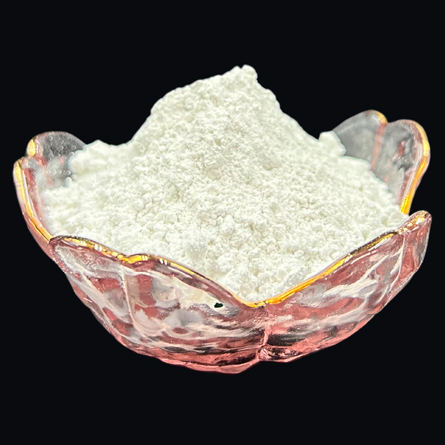
| Tea polyphenols | C17H19N3O |
| CAS | 84650-60-2 |
| molecular weight | 281.36 |
| molecular formula | C17H19N3O |
| solubility | Soluble in DMSO (a little), methanol (a little) |
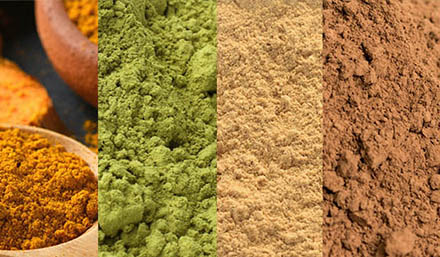
| color | Light orange |
| flavor | herbal |
| state | Solid |
| melting point | / |
| boiling point | / |
Tea polyphenols, a group of bioactive compounds abundant in tea leaves (especially green tea), are celebrated for their powerful antioxidant, anti-inflammatory, and protective properties. Comprising catechins (e.g., epigallocatechin gallate, EGCG), flavonoids, and phenolic acids, these compounds offer a wide range of science-backed benefits for human health. Here’s a breakdown of their key advantages:
1. Potent Antioxidant Defense: Fighting Oxidative Stress
Tea polyphenols are among the most studied natural antioxidants, neutralizing harmful free radicals and supporting cellular health:
Free Radical Scavenging:
Catechins like EGCG directly absorb reactive oxygen species (ROS, e.g., hydroxyl, superoxide radicals), reducing oxidative damage to DNA, proteins, and lipids. This protects against chronic diseases linked to aging, such as cancer, heart disease, and neurodegeneration.
Boosting Antioxidant Enzymes:
Activates endogenous antioxidant systems (e.g., superoxide dismutase, catalase), enhancing the body’s natural defense against oxidative stress.
UV Radiation Protection:
Topical or oral intake may reduce UVB-induced skin damage by inhibiting ROS production and collagen degradation, making them valuable in anti-aging skincare and sun protection.
2. Cardiovascular Health: Supporting Heart and Vessels
Numerous studies link tea polyphenols to reduced risk of heart disease through multiple mechanisms:
Lipid Profile Improvement:
Lowers LDL (“bad” cholesterol) oxidation and triglyceride levels while increasing HDL (“good” cholesterol), reducing the risk of atherosclerosis. A meta-analysis found that daily tea consumption is associated with a 10–15% lower risk of coronary artery disease.
Blood Pressure Regulation:
Enhances endothelial function (lining of blood vessels) by promoting nitric oxide synthesis, improving vascular elasticity and reducing hypertension.
Inflammation Reduction:
Suppresses pro-inflammatory markers (e.g., TNF-α, IL-6) in blood vessels, slowing the progression of plaque buildup and vascular inflammation.
3. Metabolic Support: Enhancing Energy and Weight Management
Tea polyphenols play a role in boosting metabolism and supporting healthy weight:
Thermogenesis and Fat Oxidation:
EGCG activates brown adipose tissue (BAT), increasing calorie burning and fat oxidation, particularly during exercise. Studies show it can enhance fat oxidation by 10–17% in overweight individuals.
Insulin Sensitivity:
Improves glucose uptake in cells and reduces hepatic glucose production, aiding blood sugar control—beneficial for type 2 diabetes prevention and management.
Gut Microbiota Modulation:
Nourishes beneficial gut bacteria (e.g., Lactobacillus, Bifidobacterium), improving digestion and potentially reducing fat absorption from the diet.
4. Immune Enhancement & Anti-Inflammatory Effects
By targeting inflammatory pathways, tea polyphenols strengthen the immune system and combat chronic inflammation:
Immune Cell Activation:
Stimulates the activity of natural killer cells, T lymphocytes, and macrophages, enhancing the body’s defense against viruses (e.g., influenza, COVID-19) and bacterial infections.
Chronic Inflammation Regulation:
Inhibits pro-inflammatory enzymes (COX-2, iNOS) and transcription factors (NF-κB), reducing the risk of inflammation-related diseases like rheumatoid arthritis, ulcerative colitis, and metabolic syndrome.
Antimicrobial Properties:
Directly inhibits the growth of pathogens (e.g., Helicobacter pylori, Streptococcus), making them useful in oral care products and gut health supplements.
5. Neuroprotective Effects: Shielding Brain Health
Tea polyphenols cross the blood-brain barrier, offering protection against age-related neurological disorders:
Oxidative Stress Reduction in the Brain:
Protects neurons from damage in conditions like Alzheimer’s (reducing amyloid-β plaque formation) and Parkinson’s (inhibiting α-synuclein aggregation).
Cognitive Function Support:
Enhances blood flow to the brain and boosts neurotransmitter activity (e.g., dopamine, serotonin), improving memory, focus, and mental clarity. Studies associate regular tea drinking with a 20–25% lower risk of cognitive decline in older adults.
Neuroinflammation Mitigation:
Suppresses microglial activation (brain immune cells), reducing the progression of neuroinflammatory diseases.
6. Cancer Preventive Properties: Targeting Abnormal Cell Growth
Research highlights tea polyphenols’ anti-cancer potential through multiple pathways:
Apoptosis Induction:
Triggers programmed cell death in cancer cells (e.g., breast, prostate, lung, colorectal) while sparing healthy cells, as seen in preclinical and epidemiological studies.
Angiogenesis Inhibition:
Blocks the formation of new blood vessels that feed tumors, slowing their growth and metastasis.
DNA Damage Protection:
Repairs oxidative DNA lesions and inhibits carcinogen activation (e.g., detoxifying aflatoxins in the liver), reducing cancer risk in high-exposure populations.
7. Liver and Metabolic Organ Protection
Tea polyphenols support hepatic and metabolic health by:
Detoxification Enhancement:
Upregulates liver enzymes (e.g., UDP-glucuronosyltransferases) that neutralize toxins and drugs, reducing liver stress from alcohol, pollutants, or metabolic waste.
Fatty Liver Prevention:
Reduces hepatic fat accumulation in NAFLD (non-alcoholic fatty liver disease) by inhibiting lipid synthesis and promoting fatty acid oxidation, improving liver function markers (ALT, AST).
8. Oral and Dental Health: Beyond Just Antioxidants
Tea polyphenols offer specific benefits for oral health:
Plaque and Cavity Prevention:
Inhibit bacterial adhesion to tooth surfaces and reduce the production of acid by oral bacteria (e.g., Streptococcus mutans), lowering the risk of cavities and gum inflammation.
Gingivitis and Periodontitis Support:
Reduce gum bleeding and pocket depth by suppressing pro-inflammatory cytokines in periodontal tissues, complementing traditional dental care.
9. Skin Health: From Inside Out
Topical and oral use of tea polyphenols improves skin health by:
Anti-Aging Effects:
Stimulate collagen synthesis, reduce wrinkle formation, and protect against photoaging (UV-induced damage), often included in serums, moisturizers, and sunscreens.
Acne Management:
Inhibit sebum production and bacterial growth (e.g., C. acnes), reducing acne lesions and inflammation in both topical and ingestible formats (e.g., supplements, teas).
10. Sustainability and Natural Wellness
Tea polyphenols align with clean, natural health trends:
Dietary Integration:
Found in affordable, widely consumed beverages (green, black, oolong tea) and functional foods (snacks, supplements), making them accessible for proactive health management.
Low Toxicity:
Generally safe for long-term use, with no significant side effects at typical intake levels (up to 800 mg/day of catechins), though high doses may cause mild gastrointestinal discomfort in sensitive individuals.
Who Benefits from Tea Polyphenols?
Health-Conscious Individuals: Seeking natural antioxidants to support longevity and disease prevention.
Cardiovascular and Metabolic Health Focused: Those managing cholesterol, blood pressure, or blood sugar.
Aging Adults: Looking to protect cognitive function and reduce age-related disease risk.
Skin and Oral Care Enthusiasts: Interested in natural, science-backed solutions for beauty and dental health.
Sustainable Wellness Advocates: Preferring plant-based, minimally processed nutrients over synthetic supplements.
Scientific Consensus and Usage Tips
Optimal Sources: Green tea contains the highest concentration of catechins (especially EGCG), while black tea offers theaflavins (oxidized polyphenols with unique benefits).
Dosage: 3–5 cups of tea daily (providing 200–400 mg catechins) or supplements (100–300 mg EGCG/day) for therapeutic effects.
Synergy: Pair with vitamin C (enhances absorption) or consume with meals to minimize stomach irritation.
Tea polyphenols exemplify the power of nature’s pharmacy, offering a versatile, evidence-based approach to holistic health. From defending cells against oxidation to supporting heart, brain, and metabolic function, they prove that centuries of tea-drinking tradition is now validated by modern science—a testament to the enduring benefits of this ancient beverage.
Tea polyphenols, led by catechins like EGCG, act as potent natural antioxidants, addressing one of the biggest challenges in food preservation: oxidative degradation.
Lipid Oxidation Prevention:
Inhibit the formation of free radicals that cause rancidity in oils, fats, and fatty foods (e.g., nuts, snacks, meat products). Their phenolic hydroxyl groups donate hydrogen atoms to stabilize lipid peroxides, delaying the development of off-flavors and odors. For example, adding 0.1–0.2% green tea extract to edible oils extends their shelf-life by 30–50% compared to unsupplemented versions.
Color and Nutrient Preservation:
Protect natural pigments (e.g., anthocyanins in berries, chlorophyll in vegetables) from light/heat-induced degradation, maintaining vibrant colors in juices, jams, and ready-to-eat salads.
Shield heat-sensitive nutrients like vitamins C and E in fortified foods and beverages, ensuring nutritional claims remain valid throughout storage.
Synergy with Other Natural Agents:
Work alongside rosemary extract, vitamin E, or citric acid in “clean label” antioxidant blends, enhancing efficacy while avoiding synthetic additives like BHA/BHT.
Tea polyphenols exhibit broad-spectrum antibacterial, antifungal, and antiviral properties, making them ideal for natural food preservation.
Pathogen Suppression:
Disrupt bacterial cell membranes and inhibit biofilm formation in meat, dairy, and seafood, targeting pathogens like E. coli, Listeria monocytogenes, and Salmonella. A 2023 study showed that tea polyphenol coatings on chicken fillets reduced bacterial counts by 40% over 7 days of refrigeration.
Fungal and Mold Control:
Inhibit mycotoxin production (e.g., aflatoxin in grains, ochratoxin in nuts) by interfering with fungal metabolism, critical for preventing food spoilage and health risks in stored grains and dried fruits.
Application in Fresh and Processed Foods:
Edible Coatings: Used as a natural glaze on fruits/vegetables (e.g., apples, avocados) to delay spoilage and browning.
Dairy Products: Added to yogurt or cheese to extend shelf-life by suppressing lactic acid bacteria overgrowth and mold formation.
Tea polyphenols align with global trends for “natural,” “clean,” and “sustainable” food products, offering dual benefits of preservation and health enhancement.
Label-Friendly Ingredient:
Listed as “green tea extract” or “tea polyphenols” on ingredient panels, meeting consumer demands for recognizable, plant-based additives. This is particularly valuable in organic, non-GMO, and premium products, where synthetic preservatives like sodium benzoate are avoided.
Nutritional Fortification:
Add antioxidant and anti-inflammatory benefits to foods beyond preservation. For example, tea polyphenol-enriched snack bars or breakfast cereals not only stay fresh longer but also provide a boost of health-promoting catechins.
Sustainability Synergy:
Derived from tea industry byproducts (e.g., leftover leaves or low-grade tea), they reduce waste and support circular economy practices. Their low dosage requirement (0.05–0.5% in most applications) minimizes environmental impact compared to synthetic alternatives.
Tea polyphenols adapt to diverse food processing needs, proving effective in both fresh and shelf-stable products:
Baked Goods:
Prevent staling and lipid oxidation in cookies, cakes, and pastries, while enhancing the shelf-life of whole-grain products (which are prone to rancidity due to high polyunsaturated fats).
Beverages:
Stabilize fruit juices, ready-to-drink teas, and sports drinks by inhibiting polyphenol oxidase (enzyme-induced browning) and microbial growth, eliminating the need for artificial preservatives.
Processed Meats:
Inhibit nitrosamine formation in cured meats (ham, sausage) when used alongside natural nitrite sources, reducing carcinogenic risks while preserving color and flavor.
Why Tea Polyphenols Are Redefining Food Preservation
By addressing three critical industry needs—oxidative stability, microbial safety, and clean label compliance—tea polyphenols offer a triple-win solution:
Technical Efficacy: Outperform many synthetic antioxidants in fat-rich systems, with proven results in both lab and industrial settings.
Consumer Trust: Aligns with “free-from” trends, appealing to health-conscious buyers who reject artificial additives.
Regulatory Compliance: Approved as safe (GRAS in the US, EU food additive E188 for certain uses), with no upper limits in natural extract forms, making them a low-risk choice for global food manufacturers.
From extending the shelf-life of artisanal nut butters to preserving the vibrant color of fresh-pressed juices, tea polyphenols prove that nature’s oldest health remedy is also a modern food industry powerhouse. They’re not just a preservative; they’re a bridge between tradition and innovation, ensuring foods stay fresh, safe, and aligned with the values of a healthier, more sustainable future.