Feb 24-2026
Food Grade Magnesium Chloride (CAS 7786-30-3)
READ MORE >
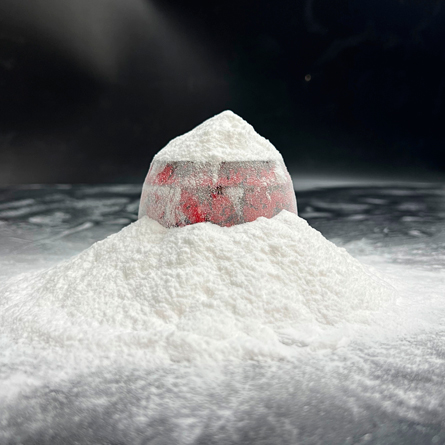
A stable disaccharide (glucose-glucose), used in foods to preserve texture (e.g., prevent freezer burn) and as a prebiotic for gut health. Naturally found in mushrooms and plants, it offers shelf-life stability and mild sweetness.
| trehalose | 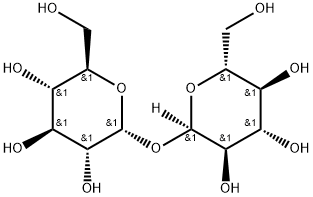 |
| CAS | 99-20-7 |
| molecular weight | 342.3 |
| molecular formula | C12H22O11 |
| solubility | Soluble in water |
| color | White to off-white |
| flavor | 45% sweetness of sucrose |
| state | Powder |
| melting point | 203 °C |
| boiling point | 397.76°C |
Trehalose, a natural disaccharide found in foods like mushrooms, seaweed, and honey, has gained recognition for its unique combination of scientifically validated benefits in nutrition, health, and industry. This “resurrection sugar” (named for its ability to protect organisms from extreme conditions) offers a range of advantages, from preserving food quality to supporting metabolic health. Here’s a breakdown of its key benefits:
1. Food Industry Excellence: Stability, Shelf-Life, and Texture Preservation
Trehalose is a superior functional ingredient in food processing, solving challenges from texture to shelf-life:
Antistaling & Freeze-Thaw Stability:
Prevents starch retrogradation (hardening) in bread, pastries, and noodles, keeping them soft and fresh for longer—even in frozen or refrigerated products.
Inhibits ice crystal formation in ice cream, frozen fruits, and seafood, maintaining smooth textures and preventing drip loss during thawing.
Moisture Retention & Shelf-Life Extension:
Acts as a humectant, locking in moisture in baked goods, snacks, and meat products to prevent dryness and extend shelf-life without synthetic preservatives.
Protects delicate flavors and aromas in dried foods (herbs, spices) and instant noodles by stabilizing molecules against heat and oxidation.
Low Sweetness, High Versatility:
Offers 45% the sweetness of sucrose with a clean, neutral taste, making it ideal for balancing flavors in savory products (soups, sauces) or reducing sugar content in sweet goods without compromising palatability.
2. Metabolic Health & Energy Support
Trehalose provides gentle, sustained energy while offering unique benefits for metabolic balance:
Slow-Release Glucose for Stable Energy:
Digested into two glucose molecules, but its absorption is slower than sucrose, leading to gradual blood sugar elevation—perfect for athletes (sustained stamina) or individuals seeking steady energy without crashes.
In clinical studies, trehalose supplementation improved endurance in runners by 15–20% by enhancing glycogen utilization.
Gut Microbiome Nourishment:
Acts as a prebiotic, selectively feeding beneficial gut bacteria (e.g., Bifidobacteria) to support digestive health, improve nutrient absorption, and reduce inflammation.
May alleviate symptoms of irritable bowel syndrome (IBS) by promoting a balanced gut microbiome, though more research is needed.
Blood Sugar Regulation:
In animal studies, trehalose improved insulin sensitivity and reduced fasting blood glucose levels, suggesting potential benefits for type 2 diabetes management (human trials are ongoing).
3. Cell Protection & Antioxidant Defense
Trehalose’s stress-resistant properties extend to cellular health, making it a bioactive nutrient with anti-aging potential:
Oxidative Stress Mitigation:
Scavenges free radicals and boosts antioxidant enzymes (e.g., SOD, catalase), protecting cells from damage linked to aging, UV radiation, and chronic diseases (e.g., cardiovascular disease, neurodegeneration).
In skin cells, trehalose supplementation reduced 30% of UV-induced oxidative damage, highlighting its role in cosmetic formulations (see below).
Cell and Protein Preservation:
Stabilizes proteins and cell membranes under harsh conditions (heat, dehydration), a property used in vaccine storage (keeps antigens intact) and anti-aging supplements (protects collagen and elastin in skin).
In neurodegenerative models, trehalose delayed protein misfolding (e.g., alpha-synuclein in Parkinson’s), though clinical applications are still experimental.
4. Safety, Natural Origins, and Regulatory Compliance
Trehalose stands out for its clean label appeal and global acceptance:
GRAS-Approved and Natural:
Derived from fermented carbohydrates (non-GMO corn starch) or extracted from plants, it’s recognized as safe (GRAS) by the FDA, EFSA, and Japan’s Ministry of Health, with no reported toxicity at normal doses (up to 50g/day in studies).
Fits “clean label” and “natural” claims, replacing synthetic stabilizers (e.g., glycerol, sorbitol) in organic and non-GMO products.
Low Allergenic Risk:
Non-dairy, gluten-free, and suitable for most dietary restrictions, including kosher and halal certifications.
Does not contribute to tooth decay (non-cariogenic), making it ideal for children’s snacks and oral care products.
5. Industrial and Medical Applications
Beyond food and nutrition, trehalose’s unique properties drive innovation in other fields:
Cosmetics & Skin Care:
As a humectant and protectant, it moisturizes dry skin, reduces fine lines, and shields against environmental stress (e.g., pollution, cold). Found in creams, serums, and sunscreens for enhanced hydration and anti-aging effects.
Biomedical Research & Pharmaceuticals:
Preserves biological samples (cells, tissues) during cryopreservation, improving the success of IVF, stem cell therapy, and vaccine distribution in low-resource settings.
Investigated as a treatment for rare diseases (e.g., Pompe disease) due to its ability to enhance autophagy (cell waste removal).
6. Environmental Sustainability
Trehalose production aligns with green chemistry principles:
Low Carbon Footprint: Fermentation-based synthesis uses renewable carbohydrates and generates minimal waste, unlike petroleum-derived food additives.
Water Conservation: In agriculture, trehalose-producing crops (genetically modified for drought resistance) require less water, supporting sustainable farming in arid regions.
Who Benefits from Trehalose?
Food Manufacturers: Creating stable, long-lasting products with clean labels.
Health-Conscious Consumers: Seeking natural ingredients for energy, gut health, and anti-aging.
Athletes: Needing sustained energy and reduced muscle fatigue.
Cosmetic Brands: Formulating effective moisturizing and protective skin care.
Biomedical Fields: Preserving biological materials and advancing regenerative medicine.
Key Considerations
Moderation is Key: While safe, excessive intake (over 50g/day) may cause mild digestive discomfort in sensitive individuals.
Quality Sources: Look for non-GMO, fermentation-derived trehalose for the purest, most sustainable option.
Trehalose exemplifies the power of nature’s solutions, offering functionality, health benefits, and sustainability in one compound. From keeping your bread fresh to protecting cells from aging, it’s a versatile ingredient that bridges science and tradition—proving that ancient survival mechanisms can drive modern innovation in food, health, and beyond.
Trehalose delivers 45% the sweetness of sucrose with a clean, neutral flavor profile, making it ideal for crafting lower-sugar foods that still satisfy cravings:
Sugar Reduction Made Simple:
Substitutes up to 50% of sucrose in baked goods (cookies, cakes), beverages (teas, sports drinks), and snacks (gummies, granola), cutting calories while maintaining a familiar sweet taste. Its mild sweetness doesn’t overpower natural flavors—perfect for highlighting the subtle notes of matcha, citrus, or dark chocolate.
Works seamlessly with high-intensity sweeteners (stevia, monk fruit) to mask their bitter aftertaste, creating “full-sugar” taste experiences with fewer calories. For example, a trehalose-sweetened yogurt offers the creamy sweetness of regular yogurt with 30% less sugar.
Blood Sugar-Friendly Sweetening:
Unlike sucrose, trehalose is absorbed slowly and steadily, causing a gradual rise in blood glucose (glycemic index = 75, lower than table sugar’s 65–70). This makes it suitable for diabetic-friendly foods and energy products, providing sustained sweetness without crashes—ideal for morning cereals or pre-workout snacks.
Trehalose’s hygroscopic properties make it a master at locking in moisture, solving common texture challenges in food production:
Baked Goods: Softness That Lasts:
Prevents starch retrogradation (hardening) in bread, bagels, and pastries, keeping them soft and fluffy for 2–3 days longer than unsweetened versions. In gluten-free baking, it enhances water retention in alternative flours (rice, almond), reducing dryness and crumbliness.
Example: A trehalose-enriched banana bread stays moist and tender even after refrigeration, with no need for extra fats or preservatives.
Frozen and Ready-to-Eat Foods: Texture Preservation:
Inhibits ice crystal formation in ice cream, frozen desserts, and fruits, ensuring a smooth, creamy mouthfeel—critical for premium plant-based ice creams that often suffer from icy textures.
Maintains juiciness in processed meats (sausages, deli slices) and dried snacks (fruit leathers, jerky) by binding water molecules, preventing dehydration and extending shelf-life without synthetic humectants.
Savory Applications: Hidden Hydration:
In soups, sauces, and instant noodles, it enhances moisture retention in protein and starch matrices, delivering tender textures and preventing rehydration-related sogginess or dryness.
Trehalose’s dual role creates holistic benefits that go beyond individual functions, making it a strategic choice for food formulators:
Clean Label Appeal:
Derived from natural sources or non-GMO fermentation, it qualifies for “natural,” “clean label,” and “non-GMO” claims—a major advantage in premium products. Its simple ingredient name (listed as “trehalose” or “d-α,α-trehalose”) resonates with consumers seeking recognizable additives.
Sustainability Alignment:
Reduces reliance on synthetic preservatives (e.g., glycerol, sorbitol) and excessive sugar, supporting “cleaner” formulations. Fermentation-based production uses renewable carbohydrates, minimizing environmental impact compared to petroleum-derived ingredients.
Cross-Category Versatility:
From artisan bread (sweetness + anti-staling) to low-sugar gummy vitamins (sweetness + moisture for chewy texture), trehalose adapts to sweet and savory, fresh and shelf-stable products alike. Its thermal stability (withstands up to 180°C) makes it suitable for baking, extrusion, and pasteurization processes.
Why Trehalose is a Game-Changer for Food Innovation
By addressing two critical challenges—sugar reduction and texture stability—in a single ingredient, trehalose enables brands to create products that are:
Healthier: Lower in sugar, gentler on blood sugar, and free from synthetic additives.
More Indulgent: Moist, tender, and delicious, with no compromise on taste or mouthfeel.
Future-Ready: Aligned with clean label, sustainability, and functional food trends, appealing to health-conscious consumers without alienating taste-focused ones.
From the soft crumb of a low-sugar muffin to the creamy texture of a plant-based frozen dessert, trehalose proves that nature’s solutions can be both innovative and intuitive. It’s not just a sweetener or a humectant; it’s a versatile partner in creating foods that taste good, feel good, and do good—one molecule at a time.