Feb 24-2026
Food Grade Magnesium Chloride (CAS 7786-30-3)
READ MORE >
A bile acid used to dissolve gallstones and treat liver diseases like primary biliary cholangitis. Synthetic UDCA improves biliary flow and is studied for metabolic disorder applications in clinical settings.
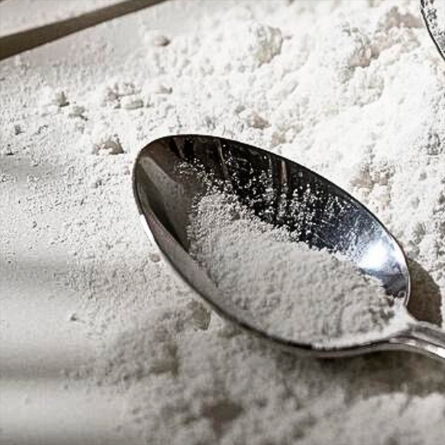
| Ursodeoxycholic Acid | 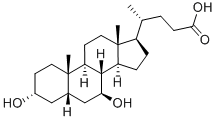 |
| CAS | 128-13-2 |
| molecular weight | 392.57 |
| molecular formula | C24H40O4 |
| solubility | Ethanol: 50 mg/mL, clear |
| color | White - almost white |
| flavor | / |
| state | Solid powder |
| melting point | 203-204 °C |
| boiling point | 437.26°C |
Ursodeoxycholic acid (UDCA), a naturally occurring bile acid derived from 熊胆 (bear bile) or synthesized synthetically, is a clinically proven compound with diverse benefits for liver and biliary health. Its unique ability to modify bile composition, reduce inflammation, and protect liver cells has made it a cornerstone in treating cholestatic liver diseases. Here’s a breakdown of its science-backed advantages:
1. Core Treatment for Cholestatic Liver Diseases
UDCA is the gold-standard therapy for diseases characterized by impaired bile flow, addressing both symptoms and underlying pathology:
Primary Biliary Cholangitis (PBC):
Slows disease progression by reducing intrahepatic bile duct damage, lowering liver enzyme levels (ALP, GGT), and improving survival rates in early-stage PBC. Mechanistically, it replaces toxic bile acids with a protective form, inhibiting apoptosis (cell death) of cholangiocytes (bile duct cells).
Primary Sclerosing Cholangitis (PSC):
Alleviates cholestasis (bile duct obstruction), reducing pruritus (itching) and improving quality of life, though it does not reverse fibrosis. Often used alongside endoscopic interventions.
Intrahepatic Cholestasis of Pregnancy (ICP):
Safely lowers bile acid levels in pregnant women, reducing the risk of fetal complications (e.g., stillbirth, meconium aspiration) by improving placental function and maternal liver health.
2. Gallstone Dissolution & Prevention
UDCA is a non-surgical option for managing cholesterol-based gallstones:
Dissolving Small Cholesterol Stones:
Oral UDCA therapy (6–10 mg/kg/day) gradually dissolves small, radiolucent gallstones by increasing bile solubility of cholesterol, avoiding the need for cholecystectomy in suitable patients (e.g., elderly, high-surgery-risk individuals).
Post-Lithotripsy Support:
Enhances stone fragmentation and reduces recurrence after extracorporeal shock wave lithotripsy by maintaining cholesterol-bile acid balance.
Prevention in At-Risk Populations:
Reduces gallstone formation in obese individuals, rapid weight loss patients, and those with ileal dysfunction (e.g., Crohn’s disease), where bile acid reabsorption is impaired.
3. Hepatoprotective & Anti-Inflammatory Effects
UDCA protects liver cells and modulates immune responses, making it valuable beyond cholestatic conditions:
Oxidative Stress Mitigation:
Scavenges free radicals and upregulates antioxidant enzymes (e.g., glutathione peroxidase), reducing hepatic damage from alcohol, toxins, or metabolic stress (e.g., non-alcoholic fatty liver disease, NAFLD).
Immune Regulation:
Suppresses pro-inflammatory cytokines (TNF-α, IL-6) and inhibits activated T cells, making it useful in autoimmune liver diseases (e.g., overlap syndromes of PBC and autoimmune hepatitis).
Improved Liver Function:
In chronic hepatitis C or drug-induced liver injury, UDCA adjunct therapy may enhance liver enzyme normalization and histopathological improvement, though evidence is weaker compared to cholestatic indications.
4. Emerging Applications in Viral and Metabolic Diseases
Recent research highlights UDCA’s potential beyond its traditional uses:
COVID-19 Prevention (Preliminary Research):
A 2022 Nature study found UDCA downregulates ACE2 receptors in the liver and intestines, potentially reducing SARS-CoV-2 entry into cells. While early clinical trials are ongoing, it offers a novel, oral prophylactic approach—especially for high-risk populations.
Metabolic Syndrome Support:
Improves insulin sensitivity and reduces hepatic fat accumulation in NAFLD patients by activating FXR (farnesoid X receptor), a key regulator of bile acid and glucose metabolism.
Neuroprotection in Cholestatic Encephalopathy:
Reduces brain toxicity from accumulated bile acids, improving cognitive function in advanced liver disease with minimal encephalopathy.
5. Safety, Tolerability, and Regulatory Approval
UDCA stands out for its favorable safety profile and global acceptance:
Mild Side Effects:
Most common: transient gastrointestinal discomfort (diarrhea, nausea), which resolves with dose adjustment. Rarely causes rash or headache; no significant drug interactions with most medications (except cyclosporine, which it may enhance).
Long-Term Use:
Approved for years-long therapy in PBC (up to 20+ years in clinical studies), with minimal risk of toxicity or carcinogenicity.
Regulatory Status:
FDA-approved for PBC, gallstone dissolution, and ICP; recognized by EMA, JFDA, and WHO as a first-line treatment for cholestatic disorders.
6. Mechanistic Uniqueness: How UDCA Works
Its efficacy stems from three core actions:
Bile Acid Pool Modification:
Replaces toxic hydrophobic bile acids (e.g., deoxycholic acid) with hydrophilic UDCA, reducing membrane damage to liver and bile duct cells.
FXR Receptor Activation:
Stimulates bile acid metabolism and anti-inflammatory pathways, regulating genes involved in lipid homeostasis and liver regeneration.
Cell Membrane Protection:
Incorporates into cell membranes, enhancing resistance to bile acid-induced apoptosis and oxidative stress.
Who Benefits from UDCA?
Liver Disease Patients: Those with PBC, PSC, ICP, or gallstone disease requiring medical management.
High-Risk Surgical Candidates: Individuals with gallstones unsuitable for surgery or seeking non-invasive options.
Pregnant Women with ICP: To protect fetal and maternal health during cholestasis.
Researchers & Clinicians: Exploring its potential in COVID-19 prophylaxis and metabolic disease adjunct therapy.
Limitations and Considerations
Slow Onset: Gallstone dissolution may take 6–12 months; PBC benefits emerge over 3–6 months of treatment.
Stone Type Specificity: Effective only for cholesterol stones (not pigment or mixed stones).
Dose Dependency: Response varies; higher doses (13–15 mg/kg/day) are often needed for PBC compared to gallstone treatment (8–10 mg/kg/day).
UDCA exemplifies the power of bile acid biology in modern medicine, offering targeted relief for debilitating liver conditions while opening new frontiers in viral and metabolic health. Its legacy as a safe, mechanism-driven therapy cements its role as a foundational agent in hepatology, with ongoing research promising even broader applications. Always consult a healthcare provider for personalized use, especially during pregnancy or when combining with other liver medications.
UDCA plays a pivotal role in formulations designed to tackle cholestatic liver diseases, which are characterized by impaired bile flow. In conditions like primary biliary cholangitis (PBC) and primary sclerosing cholangitis (PSC), UDCA can modify the composition of bile. By replacing toxic bile acids with its own less harmful form, it reduces damage to the bile ducts and liver cells. In digestive health products, UDCA helps slow down the progression of these diseases, lower liver enzyme levels, and alleviate symptoms such as itching (pruritus) associated with cholestasis. For patients suffering from intrahepatic cholestasis of pregnancy, UDCA-based formulations can also be a crucial component, improving placental function and protecting both maternal and fetal health by regulating bile acid levels.
Digestive health formulations incorporating UDCA offer an alternative approach to dealing with cholesterol-based gallstones. UDCA works by increasing the solubility of cholesterol in bile, gradually dissolving small, radiolucent gallstones over time. This makes it a valuable ingredient in products aimed at non-surgical gallstone treatment, particularly for patients who may be at high risk for surgery due to age or other health conditions. Additionally, UDCA can be part of formulations designed to prevent gallstone formation in individuals at risk, such as those with obesity, rapid weight loss, or ileal dysfunction. By maintaining a balanced cholesterol-bile acid ratio, these products help reduce the likelihood of new gallstones developing and support overall biliary tract health.
Beyond its direct effects on bile, UDCA exhibits anti-inflammatory and hepatoprotective properties that are highly relevant to digestive health formulations. It acts as an antioxidant, scavenging free radicals and upregulating antioxidant enzymes within the liver. This helps protect liver cells from damage caused by toxins, alcohol, or metabolic stress, which can contribute to conditions like non-alcoholic fatty liver disease (NAFLD). UDCA also suppresses the production of pro-inflammatory cytokines, making it beneficial in addressing autoimmune liver diseases where inflammation plays a key role. In digestive health products, these properties of UDCA can aid in improving liver function, reducing inflammation, and supporting the body's natural detoxification processes, thereby promoting overall digestive well-being.