Feb 24-2026
Food Grade Magnesium Chloride (CAS 7786-30-3)
READ MORE >
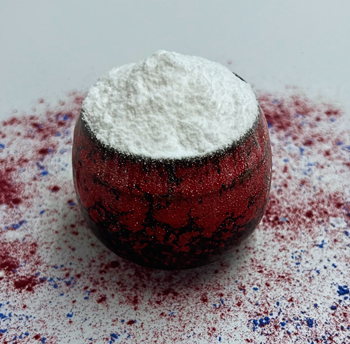
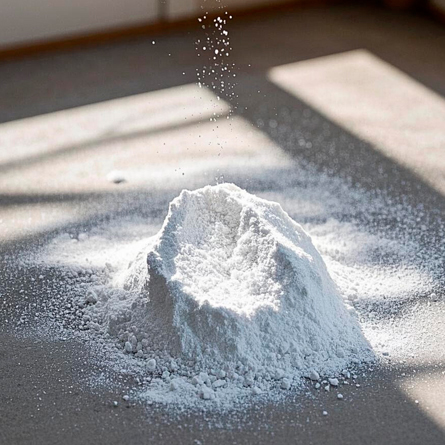
A zinc salt of lauric acid, stable in fatty matrices with potential antimicrobial effects. Used in lipid-based supplements or topical creams, it enables controlled zinc release for targeted delivery in oily formulations.
| Zinc Laurate | 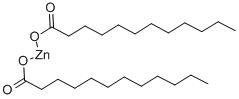 |
| CAS | 201624 |
| molecular weight | 464.01 |
| molecular formula | C24H46O4Zn |
| solubility | Slightly soluble in H2O |
| color | White |
| flavor | / |
| state | Powder |
| melting point | 128°C |
| boiling point | / |
Zinc laurate, a compound formed by chelating zinc with lauric acid (a 12-carbon medium-chain fatty acid naturally found in coconut oil and palm kernel oil), offers a unique blend of benefits that enhance zinc absorption, support immune function, and deliver targeted advantages for skin and industrial applications. Here’s a breakdown of its key benefits:
1. Enhanced Bioavailability via Fatty Acid Chelation
Lipophilic Complex for Efficient Absorption: Lauric acid forms a stable, fat-soluble complex with zinc, allowing it to be absorbed through lipid transport pathways in the intestines. This bypasses common dietary inhibitors (e.g., phytates in grains, oxalates in leafy greens), significantly improving zinc bioavailability compared to inorganic zinc salts (e.g., zinc sulfate, oxide).
Sustained Release Mechanism: The fatty acid backbone acts as a time-release carrier, ensuring a gradual and steady supply of zinc to cells—critical for maintaining consistent zinc levels for enzymatic reactions (over 300 zinc-dependent enzymes), immune cell activation, and DNA synthesis without abrupt fluctuations in blood zinc levels.
2. Immune Support & Metabolic Synergy
Immune Cell Activation: Zinc is essential for the development and function of T cells, natural killer cells, and macrophages. Lauric acid’s antimicrobial properties complement zinc’s immune-boosting effects, helping combat bacteria, viruses, and fungi (e.g., inhibiting C. acnes in acne-prone skin or viral replication in respiratory infections).
Metabolic Enzyme Support: Zinc acts as a cofactor for enzymes involved in carbohydrate, protein, and lipid metabolism. Lauric acid, as a medium-chain fatty acid (MCFA), is efficiently metabolized for energy, enhancing the synergistic role of zinc in nutrient absorption, insulin sensitivity, and thyroid function.
3. Skin Health & Topical Benefits
Antimicrobial and Acne Management: Lauric acid’s natural antimicrobial activity targets acne-causing bacteria (C. acnes) and fungi, reducing inflammation and preventing breakouts. Zinc further regulates sebum production and supports skin barrier repair, making zinc laurate ideal for topical products (creams, serums, cleansers) for acne-prone, irritated, or sensitive skin.
Emollient and Hydration Properties: The fatty acid component acts as an emollient, locking in moisture and improving skin elasticity. Zinc aids in collagen synthesis and epithelial cell regeneration, reducing transepidermal water loss and promoting wound healing—beneficial for dry skin, eczema, or post-procedural recovery.
Non-Comedogenic and Gentle: Lightweight and easily absorbed, zinc laurate does not clog pores, making it suitable for all skin types, including oily or sensitive skin, without causing irritation.
4. Industrial Applications as a Premium Metal Soap
Plastics and Polymer Stabilization: In manufacturing, zinc laurate functions as a “metal soap,” providing heat stability, lubrication, and anti-corrosive properties to PVC compounds, polyolefins, and rubber. It reduces friction during extrusion, enhances product durability, and prevents degradation from heat or UV exposure—critical for automotive, construction, and packaging industries.
Coatings and Adhesives Enhancement: Improves the texture, adhesion, and water resistance of paints, varnishes, and adhesives by acting as an emulsifier and stabilizer, ensuring smooth application and long-lasting performance.
5. Gentle on Digestion with Broad Applicability
Reduced Gastrointestinal Side Effects: Unlike inorganic zinc salts (e.g., zinc oxide, sulfate), which can cause nausea, diarrhea, or stomach irritation, zinc laurate’s fatty acid structure minimizes osmotic pressure in the intestines, making it well-tolerated for sensitive digestive systems, individuals with IBS, or those who prefer taking supplements on an empty stomach.
pH-Neutral Absorption: Stable across a wide pH range, it does not rely on strong stomach acid to dissolve, ensuring efficient absorption for older adults, those on acid-suppressing medications, or anyone with reduced gastric acid.
6. Natural Origins and Regulatory Safety
Sustainable Sourcing: Derived from plant-based sources (coconut oil, palm kernel oil), zinc laurate aligns with clean-label and eco-friendly trends, appealing to consumers and manufacturers prioritizing natural, renewable ingredients.
GRAS-Approved and Multi-Industry Compliance: Recognized as safe (GRAS) by regulatory bodies (FDA, EFSA) for use in food, supplements, cosmetics, and industrial applications, it meets strict safety standards without compromising efficacy.
7. Versatile Applications Across Fields
Nutritional Supplements: Ideal for immune-boosting formulas, prenatal vitamins (supporting fetal development), and pediatric supplements (aiding growth and cognitive function).
Pet Nutrition: Added to pet food as a zinc source and preservative, supporting bone health, immune function, and skin integrity in animals while extending shelf-life.
Personal Care: Used in deodorants, lotions, and shampoos for its antimicrobial and odor-fighting properties, as well as in sunscreens for gentle skin protection.
Who Benefits from Zinc Laurate?
Health-Conscious Consumers: Those seeking a bioavailable, gentle zinc supplement for immune support or skin health.
Skin Care Formulators: Looking for natural antimicrobial, emollient ingredients for acne, dry skin, or sensitive skin products.
Industrial Manufacturers: Requiring high-performance metal soaps for plastic, coating, or adhesive applications.
Sustainable Brands: Prioritizing plant-based, multi-functional ingredients with minimal environmental impact.
Zinc laurate stands out for its ability to merge zinc’s essential nutritional roles with lauric acid’s functional properties, offering solutions that span health, beauty, and industry. Its natural origins, digestive tolerance, and versatile applications make it a valuable ingredient for those who demand efficacy, sustainability, and gentleness in both supplements and formulations.
Zinc laurate revolutionizes zinc absorption through its fatty acid-chelated structure, addressing the common challenges of poor uptake and digestive discomfort:
Lipid-Based Absorption for Maximum Uptake: Lauric acid forms a stable, fat-soluble complex with zinc, allowing it to bypass dietary inhibitors like phytates (in grains) and oxalates (in leafy greens) that trap inorganic zinc salts (e.g., zinc sulfate) in the gut. This lipid transport mechanism increases zinc bioavailability, ensuring more of the mineral reaches cells where it’s critical for over 300 enzymatic reactions, immune cell activation, and DNA synthesis—especially beneficial for individuals with low stomach acid, digestive disorders, or plant-based diets prone to zinc deficiency.
Sustained Release for Steady Nutrient Delivery: The fatty acid backbone acts as a time-release carrier, releasing zinc gradually into the bloodstream. This avoids abrupt spikes in blood zinc levels, instead providing a consistent supply to support immune cell function (e.g., T-cell development), metabolic health (e.g., insulin sensitivity), and cellular repair—key for long-term wellness without nutrient waste.
Gentle on Sensitive Digestive Systems: Unlike harsh inorganic zinc salts that cause nausea or diarrhea, zinc laurate’s organic structure minimizes osmotic pressure in the intestines, making it well-tolerated for those with irritable bowel syndrome (IBS), acid reflux, or a history of supplement intolerance.
Zinc laurate’s dual action as an antimicrobial agent and skin-nourishing compound makes it a standout for topical applications:
Antimicrobial Shield Against Skin Concerns: Lauric acid has natural broad-spectrum antimicrobial activity, targeting acne-causing bacteria (C. acnes), fungi (e.g., Candida), and odor-causing microbes. When applied to the skin, it reduces inflammation, prevents breakouts, and soothes irritated skin—ideal for acne-prone, eczema-prone, or sensitive skin types. Zinc complements this by regulating sebum production, further minimizing pore-clogging and bacterial overgrowth.
Barrier Repair and Hydration Support: Lauric acid acts as an emollient, locking in moisture and improving skin elasticity, while zinc promotes collagen synthesis and epithelial cell regeneration. Together, they strengthen the skin barrier, reducing transepidermal water loss and protecting against environmental stressors (e.g., pollution, UV radiation). This dual action accelerates wound healing, minimizes scarring, and addresses dryness or roughness, making it a key ingredient in creams, serums, and cleansers for all skin types—including oily or aging skin.
Non-Comedogenic and Gentle Formulation: Its lightweight, easily absorbed texture ensures zinc laurate does not clog pores, avoiding new breakouts while delivering targeted benefits. Derived from natural plant sources (coconut oil, palm kernel oil), it’s biocompatible and low-irritant, aligning with clean-label preferences for sensitive skin care.
Zinc laurate’s appeal lies in its harmonious blend of natural efficacy and scientific innovation:
Natural Origins for Trusted Safety: Derived from lauric acid (a medium-chain fatty acid naturally present in human breast milk and dietary fats) and zinc, it’s recognized as safe (GRAS) by regulatory bodies (FDA, EFSA), ensuring minimal risk of adverse reactions for both oral and topical use.
Dual-Action Formulation Flexibility: Used in oral supplements to boost systemic zinc levels (supporting immune health, metabolism, and reproductive function) and in topical products to target localized skin concerns (acne, dryness, inflammation), offering a holistic approach to wellness.
Suitable for All Life Stages: Gentle enough for pediatric use (supporting growth and immune maturation), prenatal supplements (nurturing fetal development), and senior care (combating age-related zinc deficiency and skin thinning), while also meeting the needs of active individuals (e.g., post-workout skin recovery) and eco-conscious consumers (sustainable, plant-based sourcing).
Why Zinc Laurate Matters for Zinc Supplementation and Skin Protection
By merging zinc’s essential nutritional roles with lauric acid’s functional skin benefits, zinc laurate offers a strategic, two-in-one solution that:
Optimizes zinc absorption for those who struggle with traditional supplements, ensuring the mineral supports immunity, metabolism, and cellular health effectively.
Revitalizes skin health through antimicrobial protection, barrier repair, and hydration, addressing common concerns with a gentle, natural approach.
In a world where efficacy and gentleness are often at odds, zinc laurate proves that science and nature can work in perfect harmony—delivering measurable benefits for both the body’s internal systems and its outermost protective layer. Whether as a daily supplement or a key ingredient in skin care, it’s a testament to how intelligent chelation can elevate nutrient delivery and skin wellness alike.