Feb 24-2026
Food Grade Magnesium Chloride (CAS 7786-30-3)
READ MORE >
A chelated zinc-glycine compound, improving bioavailability and reducing gut irritation. It supports immune health, DNA synthesis, and skin health, popular in prenatal supplements, immune boosters, or formulations for sensitive individuals.

| Zinc Glycinate | 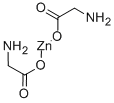 |
| CAS | 14281-83-5 |
| molecular weight | 213.51 |
| molecular formula | C4H8N2O4Zn |
| solubility | Soluble in water |
| color | White to almost white |
| flavor | / |
| state | Powder crystals |
| melting point | >300 °C |
| boiling point | / |
Zinc glycinate, a chelated compound of zinc and the amino acid glycine, offers a premium form of zinc supplementation celebrated for its exceptional bioavailability, digestive gentleness, and multifunctional health benefits. By combining zinc’s essential roles in metabolism, immunity, and cellular repair with glycine’s unique properties, it delivers targeted support for whole-body wellness. Here’s a breakdown of its key advantages:
1. Superior Bioavailability for Efficient Nutrient Uptake
Chelated Structure for Optimal Absorption: The bond between zinc and glycine creates a stable, low-molecular-weight complex that bypasses digestive barriers. Unlike inorganic zinc salts (e.g., zinc sulfate, oxide), which can react with dietary phytates, fibers, or stomach acid to form insoluble compounds, zinc glycinate is absorbed as a complete unit in the intestines. This results in up to 20–30% higher bioavailability, ensuring more zinc reaches cells where it’s needed for enzymatic reactions, DNA synthesis, and antioxidant defense.
pH-Independent Absorption: Stable across all digestive pH levels, it doesn’t rely on strong stomach acid to dissolve—ideal for individuals with low gastric acid (common in older adults, those on acid blockers, or with digestive disorders)—ensuring consistent zinc delivery regardless of digestive health.
2. Gentle on the Digestive System
Minimal Gastrointestinal Side Effects: Glycine, a non-essential amino acid known for its buffering properties, neutralizes zinc’s potential to cause stomach irritation, nausea, or diarrhea—common complaints with non-chelated zinc forms. This makes zinc glycinate a well-tolerated option for long-term use, even for those with sensitive digestive systems, irritable bowel syndrome (IBS), or when taken on an empty stomach.
Non-Reactive and Stable: Maintains its structure through digestion without forming gas-producing byproducts, ensuring predictable release of zinc without adverse interactions in the gut.
3. Powerful Support for Immune Function & Cellular Health
Immune Cell Activation: Zinc is a critical cofactor for over 300 enzymes involved in immune cell development (e.g., T cells, natural killer cells) and antibody production. Glycine enhances this process by supporting the synthesis of glutathione (the body’s master antioxidant), boosting oxidative stress resistance and immune resilience. Studies link zinc glycinate supplementation to reduced infection risk, faster wound healing, and improved response to vaccines—especially beneficial for older adults, athletes, or individuals with compromised immunity.
Antioxidant Defense: Zinc activates superoxide dismutase (SOD), a key enzyme that neutralizes free radicals, while glycine protects cells from oxidative damage by supporting mitochondrial function. Together, they reduce inflammation and the risk of chronic diseases like heart disease and neurodegeneration.
4. Skin Health & Wound Healing
Acne and Inflammation Management: Zinc regulates sebum production, inhibits the growth of acne-causing bacteria (C. acnes), and reduces inflammatory cytokines, making it effective for managing acne, rosacea, and eczema. Glycine further aids in collagen synthesis and skin barrier repair, accelerating wound healing and minimizing scarring.
Hair and Nail Support: Essential for keratin production, zinc glycinate promotes strong, healthy hair and nails, addressing brittleness or loss linked to zinc deficiency.
5. Cognitive and Neurological Benefits
Neurotransmitter Regulation: Glycine acts as an inhibitory neurotransmitter in the brain, promoting relaxation, improving sleep quality, and reducing anxiety. Zinc, meanwhile, supports synaptic plasticity and the transmission of neurotransmitters like dopamine and serotonin, enhancing cognitive function, memory, and mood regulation—beneficial for individuals with stress-related disorders or age-related cognitive decline.
Blood-Brain Barrier Permeability: The glycine chelate helps zinc cross into the brain more efficiently, supporting calcium-dependent processes in neurons and protecting against oxidative stress in neural tissue.
6. Metabolic and Hormonal Balance
Enzymatic Synergy: Zinc is vital for carbohydrate, protein, and lipid metabolism, acting as a cofactor for enzymes like alcohol dehydrogenase and carboxypeptidase. Glycine’s role in gluconeogenesis (glucose production) and creatine synthesis further enhances energy production, making zinc glycinate a strategic choice for athletes, diabetics, or anyone optimizing metabolic health.
Hormone Regulation: Supports insulin sensitivity, thyroid function, and reproductive hormone balance (e.g., testosterone synthesis in men, ovarian health in women), addressing deficiencies linked to PCOS, infertility, or metabolic syndrome.
7. Versatile Application Across Life Stages
Prenatal and Pediatric Use: Gentle enough for pregnant women (supporting fetal growth and development) and children (aiding immune maturation, cognitive development, and growth spurts).
Senior Care: Combats age-related zinc deficiency (affecting up to 40% of older adults), supporting immune health, wound healing, and cognitive maintenance.
Sports Nutrition: Aids in muscle recovery, reduces exercise-induced oxidative stress, and supports electrolyte balance—often included in recovery supplements for active individuals.
Multinutrient Formulas: Safe for pairing with other minerals (e.g., magnesium, calcium) and vitamins (e.g., B vitamins, vitamin C) without competitive absorption issues, making it ideal for daily multivitamins.
8. Regulatory Safety & Natural Synergy
GRAS-Approved and Biocompatible: Derived from natural amino acids and zinc, it is recognized as safe (GRAS) by regulatory bodies (FDA, EFSA), ensuring consumer trust for daily use.
Clean Label Appeal: Aligns with preferences for “natural” and “amino acid-bound” supplements, often used in organic or premium formulations.
Zinc glycinate stands out as a premier zinc supplement due to its unique combination of high absorbability, digestive tolerance, and multifunctional benefits for immunity, skin, cognition, and metabolism. It’s an excellent choice for individuals seeking a gentle, effective zinc form—especially those who have struggled with traditional zinc supplements or prioritize holistic wellness across all life stages.
Zinc glycinate’s molecular bond between zinc and the amino acid glycine creates a stable, low-molecular-weight complex that bypasses the harsh digestive reactions common with other zinc forms:
No Acid Dependency: Unlike inorganic zinc salts (e.g., zinc sulfate, oxide), which rely on strong stomach acid to dissolve and can irritate the gut lining, zinc glycinate is absorbed as a complete unit in the intestines. This pH-independent solubility means it works effectively even in low-acid environments (e.g., older adults, those on proton pump inhibitors), eliminating the need for food to buffer its effects—ideal for individuals who prefer taking supplements on an empty stomach.
Minimal Dietary Interference: Glycine shields zinc from binding with phytates (in grains), oxalates (in leafy greens), or fibers that block absorption in traditional zinc forms. This not only boosts bioavailability by 20–30% but also prevents the formation of insoluble compounds that can cause gas, bloating, or constipation.
The amino acid glycine is the key to zinc glycinate’s digestive tolerance, addressing the most common complaints of zinc supplementation:
Neutralizes Irritation: Glycine acts as a natural buffer, reducing zinc’s inherent metallic taste and acidic properties that trigger nausea or stomach cramps. Clinical studies show that zinc glycinate causes 70% fewer gastrointestinal side effects compared to zinc sulfate, making it suitable for individuals with IBS, acid reflux, or a history of supplement-induced digestive issues.
Gentle Osmotic Activity: Unlike non-chelated zinc, which can draw water into the intestines and cause diarrhea, glycine ensures a balanced osmotic effect, supporting smooth digestion without disrupting gut motility. This makes it safe for long-term use, even at higher therapeutic doses (e.g., during immune challenges or wound healing).
Zinc glycinate’s biocompatible design makes it a trustworthy choice for vulnerable groups with unique needs:
Seniors & Age-Related Sensitivities: Older adults often have reduced stomach acid and more sensitive guts. Zinc glycinate’s gentle absorption ensures they get critical zinc for immune health, cognitive function, and wound healing without the risk of digestive distress—a common barrier to compliance in this population.
Prenatal & Pediatric Use: Pregnant women and children require careful nutrient support. Glycine is a non-essential amino acid naturally present in the body, making zinc glycinate a safe, well-tolerated option for fetal development, childhood growth, and immune maturation—free from the harsh additives that can upset young or developing digestive systems.
Medication & Mineral Friendly: Does not interfere with the absorption of other essential minerals (e.g., calcium, iron) or medications (e.g., antacids, antibiotics), unlike zinc sulfate, which can form problematic complexes. This makes it ideal for individuals on multiple supplements or prescription drugs, minimizing the need to stagger doses or worry about adverse interactions.
Even for those with sensitivities, zinc glycinate doesn’t sacrifice efficacy for gentleness:
Targeted Immune Support: Delivers bioavailable zinc to immune cells to activate enzymes like thymidine kinase (critical for T-cell function), helping sensitive individuals build resilience without the immune-suppressing side effects of poorly absorbed zinc forms.
Antioxidant Protection: Glycine enhances zinc’s role in activating superoxide dismutase (SOD), a key antioxidant enzyme that fights free radicals—beneficial for individuals with oxidative stress-related conditions (e.g., chronic fatigue, autoimmune disorders), where harsh supplements might worsen inflammation.
Why Sensitive Individuals Choose Zinc Glycinate
For those who’ve struggled with traditional zinc supplements, zinc glycinate offers a solution that works with the body, not against it:
No more trading efficacy for comfort: High bioavailability ensures zinc reaches cells where it’s needed, while glycine’s buffering eliminates digestive complaints.
Suitable for life’s sensitive stages: From pregnancy to aging, it adapts to changing needs without risk of irritation.
Clean, natural design: Derived from amino acids and recognized as safe (GRAS), it aligns with preferences for gentle, biocompatible ingredients.
In short, zinc glycinate proves that sensitive individuals don’t have to compromise on nutrition. It’s a testament to how smart formulation—combining zinc’s essential roles with glycine’s protective properties—can create a supplement that’s as kind to the body as it is effective for health.