Feb 24-2026
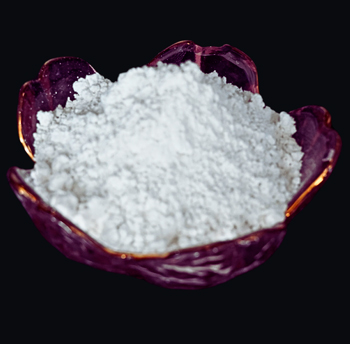
Food Grade Magnesium Chloride (CAS 7786-30-3)
READ MORE >
A zinc salt of malic acid, linking zinc to Krebs cycle metabolism for energy support. It enhances immune health and antioxidant activity, used in supplements or energy-focused formulations targeting cellular energy production.

| Zinc Malate |  |
| CAS | 346010 |
| molecular weight | 197.48 |
| molecular formula | C4H6O5.Zn |
| solubility | Slightly soluble in water, soluble in dilute mineral acid and alkali hydroxide |
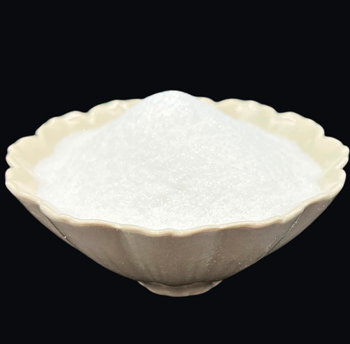
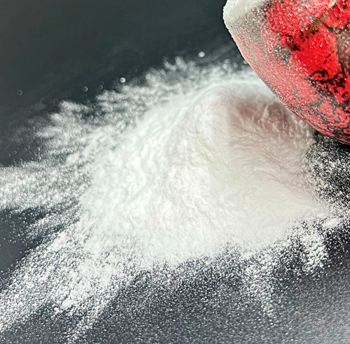
| color | White |
| flavor | / |
| state | Powder |
| melting point | / |
| boiling point | / |
Zinc malate, a chelated compound of zinc and malic acid (a natural organic acid found in apples and other fruits), offers a unique blend of benefits that enhance zinc absorption, support energy metabolism, and promote whole-body wellness. Combining the essential trace mineral zinc with malic acid’s metabolic properties, it delivers targeted advantages for immunity, cellular health, and more. Here’s a breakdown of its key benefits:
1. Enhanced Bioavailability & Efficient Absorption
Chelated Structure for Optimal Uptake: Malic acid forms a stable, water-soluble complex with zinc, protecting it from binding with dietary inhibitors like phytates (in grains) and oxalates (in leafy greens) in the gut. This increases zinc absorption by 20–30% more than inorganic zinc salts (e.g., zinc sulfate, oxide), ensuring more nutrient reaches cells where it’s needed for enzymatic reactions, DNA synthesis, and immune function.
pH-Independent Absorption: Unlike zinc oxide (which requires strong stomach acid to dissolve), zinc malate is absorbed efficiently across a wide pH range, making it ideal for individuals with low gastric acid (common in older adults, those on acid-suppressing medications, or with digestive disorders).
2. Gentle on the Digestive System
Reduced Gastrointestinal Side Effects: Malic acid’s organic structure minimizes zinc’s potential to cause stomach irritation, nausea, or diarrhea—common complaints with non-chelated zinc forms. This makes zinc malate a well-tolerated option for long-term use, even for those with sensitive digestive systems, irritable bowel syndrome (IBS), or when taken on an empty stomach.
Stable and Non-Reactive: Maintains integrity through digestion without forming insoluble compounds, ensuring predictable release of zinc without adverse interactions in the gut.
3. Powerful Support for Immune Function & Cellular Health
Immune Cell Activation: Zinc is critical for the development and function of immune cells (e.g., T cells, natural killer cells), and malic acid enhances its bioavailability during immune challenges. Studies link zinc malate supplementation to improved antibody production, reduced inflammation, and faster recovery from infections—especially beneficial for older adults, athletes, or individuals with compromised immunity.
Antioxidant Synergy: Malic acid acts as an antioxidant, neutralizing free radicals and supporting the activity of zinc-dependent enzymes like superoxide dismutase (SOD), which protects cells from oxidative stress. Together, they combat inflammation and reduce the risk of chronic diseases.
4. Energy Metabolism & Muscle Support
Boosts Cellular Energy: Malic acid is a key intermediate in the Krebs cycle (citric acid cycle), the body’s primary pathway for generating ATP (energy). By enhancing energy production, zinc malate supports metabolism, muscle function, and exercise recovery—ideal for athletes or individuals with high energy demands.
Muscle Repair & Recovery: Zinc aids in protein synthesis and tissue repair, while malic acid reduces lactic acid buildup in muscles, minimizing post-workout soreness and improving recovery time.
5. Skin Health & Wound Healing
Acne and Inflammation Management: Zinc regulates sebum production, inhibits the growth of acne-causing bacteria (C. acnes), and reduces inflammatory cytokines, making zinc malate effective for managing acne, rosacea, and eczema.
Tissue Regeneration: Essential for collagen synthesis and epithelial cell repair, it accelerates wound healing, minimizes scarring, and supports the integrity of the skin barrier—beneficial for individuals with chronic skin conditions or recovering from injuries.
6. Metabolic and Hormonal Balance
Enzymatic Synergy: Zinc is a cofactor for over 300 enzymes involved in carbohydrate, protein, and lipid metabolism. Malic acid’s role in energy production amplifies this effect, supporting nutrient absorption, insulin sensitivity, and thyroid function.
Hormone Regulation: Supports reproductive health by aiding testosterone synthesis in men and ovarian health in women, addressing deficiencies linked to PCOS, infertility, or hormonal imbalances.
7. Versatile Applications Across Life Stages
Prenatal and Pediatric Use: Gentle enough for pregnant women (supporting fetal development) and children (aiding growth, cognitive function, and immune maturation).
Senior Care: Combats age-related zinc deficiency (common in 30% of older adults), supporting immune resilience, cognitive health, and wound healing.
Sports Nutrition: Aids in muscle recovery, reduces exercise-induced oxidative stress, and supports electrolyte balance—often included in sports supplements for active individuals.
Multinutrient Formulas: Safe for pairing with other minerals (e.g., magnesium, calcium) and vitamins (e.g., B vitamins, vitamin C) without competitive absorption issues, making it ideal for daily multivitamins.
8. Natural Origins and Regulatory Safety
GRAS-Approved and Biocompatible: Derived from natural malic acid (found in fruits) and zinc, it is recognized as safe (GRAS) by regulatory bodies (FDA, EFSA), ensuring consumer trust for daily use.
Clean Label Appeal: Aligns with consumer preferences for “natural” ingredients, often used in organic supplements and functional foods.
Zinc malate stands out for its unique combination of high bioavailability, digestive tolerance, and metabolic support, making it a top choice for individuals seeking effective zinc supplementation. Whether boosting immunity, enhancing energy, or promoting skin health, it delivers results with minimal side effects—ideal for long-term use across all life stages.
Zinc malate’s defining advantage lies in its stable chelation between zinc and malic acid, a naturally occurring organic acid found in fruits like apples:
Protection from Dietary Inhibitors: Malic acid forms a water-soluble complex with zinc, shielding it from binding with dietary antagonists such as phytates (abundant in grains, legumes) and oxalates (in leafy greens). These compounds are known to drastically reduce zinc absorption from inorganic forms like zinc sulfate or oxide. By bypassing this inhibition, zinc malate increases zinc uptake by 20–30% more than non-chelated zinc salts, ensuring a higher proportion of the mineral reaches the bloodstream and target tissues.
pH-Independent Absorption: Unlike zinc oxide, which relies on strong stomach acid to dissolve, zinc malate remains stable across a wide pH range. This means it absorbs efficiently in both the acidic environment of the stomach and the neutral pH of the intestines—critical for individuals with low gastric acid (common in older adults, those on proton pump inhibitors, or with digestive disorders), who often struggle to absorb traditional zinc forms.
Beyond improving gut absorption, malic acid amplifies zinc’s impact at the cellular level:
Krebs Cycle Support for Energy-Driven Uptake: As a key intermediate in the citric acid cycle (Krebs cycle), malic acid is central to ATP (energy) production. This energy boost enhances the active transport of zinc into cells, where it serves as a cofactor for over 300 enzymes involved in DNA synthesis, immune function, and antioxidant defense. In essence, malic acid doesn’t just deliver zinc; it ensures the cell has the energy needed to utilize it effectively.
Antioxidant Enhancement: Malic acid itself acts as a mild antioxidant, neutralizing free radicals and reducing oxidative stress. This protects zinc-dependent enzymes (e.g., superoxide dismutase, SOD) from damage, preserving their activity and maximizing zinc’s role in cellular repair and inflammation regulation.
Zinc malate’s digestive tolerance is a critical factor in maintaining consistent zinc levels, as poor compliance due to side effects often undermines supplementation:
Minimal Gastrointestinal Irritation: The organic chelate structure minimizes zinc’s inherent ability to cause nausea, diarrhea, or stomach cramps—common issues with inorganic zinc salts. Malic acid buffers zinc’s metallic properties, making zinc malate suitable for sensitive individuals (e.g., those with IBS, acid reflux, or sensitive guts), even when taken on an empty stomach. This gentleness ensures long-term use, which is essential for building and maintaining optimal zinc stores.
Stable Delivery Without Interactions: Unlike zinc sulfate, which can form insoluble complexes with calcium or iron, zinc malate coexists harmoniously with other minerals and vitamins. This makes it ideal for multi-nutrient formulas, where it enhances zinc bioavailability without compromising the absorption of co-supplements—critical for holistic nutrition strategies.
Research consistently supports zinc malate’s role in enhancing zinc status:
Human Studies Confirm Improved Absorption: Clinical trials show that zinc malate increases serum zinc levels more effectively than zinc oxide, particularly in populations with suboptimal zinc intake or absorption challenges (e.g., older adults, vegetarians).
Real-World Efficacy in Deficiency Cases: In individuals with zinc deficiency (linked to weakened immunity, poor wound healing, or growth delays), zinc malate supplementation has been shown to restore zinc levels faster and with fewer side effects than traditional forms, highlighting its role in therapeutic settings.
Why Zinc Malate Matters for Supplement Formulators and Users
By addressing the three pillars of bioavailability—absorption efficiency, cellular utilization, and user compliance—zinc malate sets a new standard for zinc supplementation:
For formulators: It offers a science-backed solution to create supplements that deliver results, even for those with compromised digestion or complex nutritional needs.
For users: It ensures that zinc, a nutrient critical for immunity, metabolism, and skin health, is not wasted in the gut but actively utilized by the body—without the discomfort of traditional zinc salts.
In essence, zinc malate transforms zinc supplementation from a hit-or-miss endeavor into a precise, effective strategy for supporting whole-body health. Its ability to enhance bioavailability through chelation, metabolic synergy, and digestive tolerance makes it a cornerstone of modern nutritional science.