





Jun 18-2026
2026-2027 Chelated Mineral Market Trends: Three Rising Segments
READ MORE >
In the world of nutrients, vitamins and minerals do not operate as isolated individuals. They engage in complex “social relationships”: some form well-coordinated partnerships that mutually enhance absorption and efficacy, while others compete for resources, potentially interfering with each other’s utilization.
For formulation professionals, understanding these interactions is not about avoiding certain ingredients, but about designing smarter formulas that maximize synergy while effectively managing antagonism through thoughtful pairing and delivery strategies. Understanding how they cooperate unlocks maximum efficacy; knowing their boundaries leads to truly superior formulations.
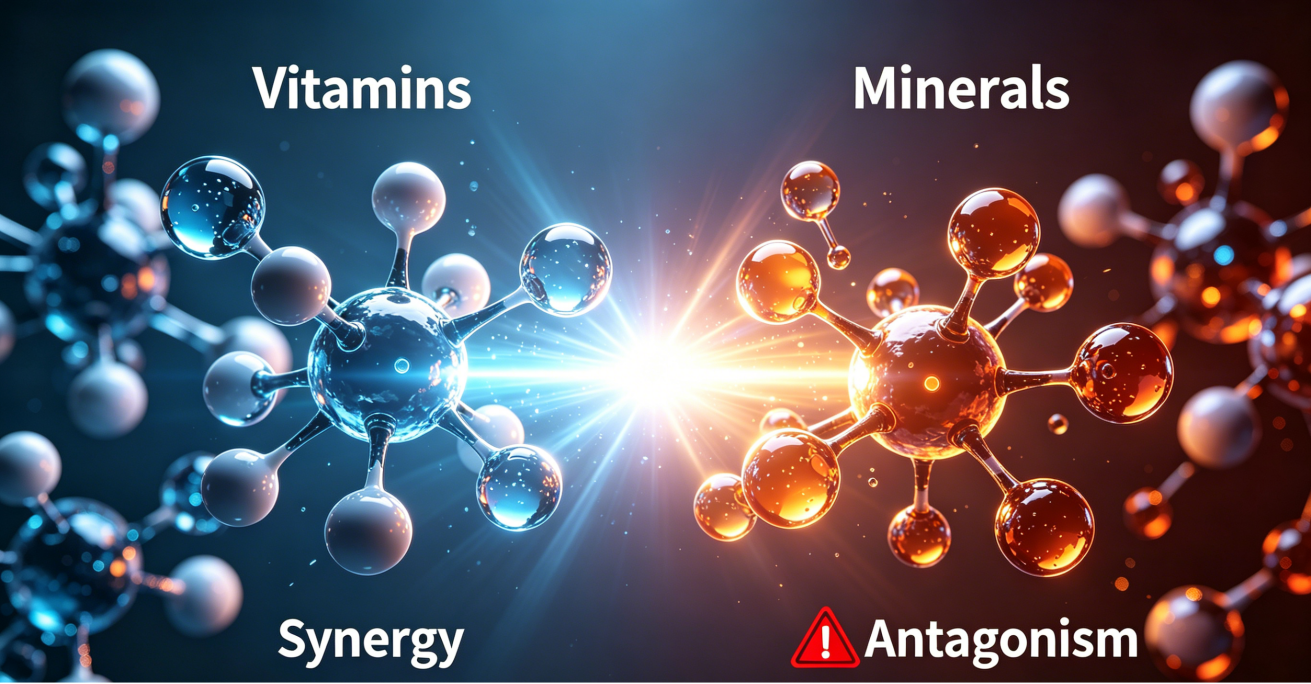
When certain nutrients work together, they produce a 1+1>2 effect. Here are some classic synergistic pairs:
Vitamin D is essential for the effective absorption and utilization of calcium. It promotes the synthesis of calcium-binding proteins in intestinal epithelial cells, enabling calcium to pass efficiently from the gut into the bloodstream and subsequently be deposited into bones. According to systematic reviews and clinical studies, adequate vitamin D status can increase intestinal calcium absorption by approximately 3 to 4 times compared to a deficient state.
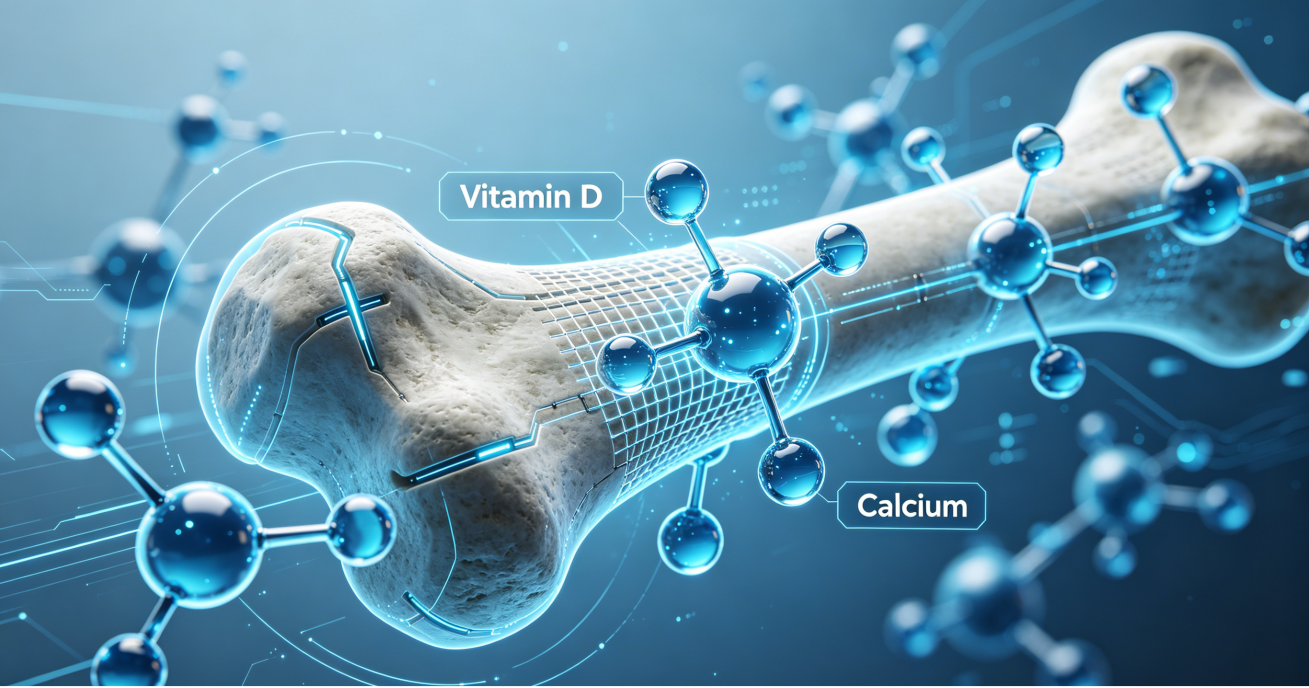
Formulation Tip: Pairing calcium supplements with sufficient vitamin D not only enhances product efficacy but also provides a strong differentiation point for your brand. Pay attention to vitamin D3, as it is more efficient than D2 in regulating calcium absorption.
Magnesium naturally supports nervous system relaxation, while vitamin B6 is a key nutrient for neural health. Multiple human clinical studies have demonstrated their synergistic effects. A randomized, double-blind, crossover trial showed that daily supplementation with 200 mg magnesium plus 50 mg vitamin B6 had a small synergistic effect in reducing anxiety-related premenstrual symptoms (nervous tension, mood swings, irritability, or anxiety). Another randomized trial in a stressed population with low blood magnesium levels further found that in individuals with severe/extremely severe stress, the combination of magnesium and vitamin B6 provided greater benefit than magnesium alone.
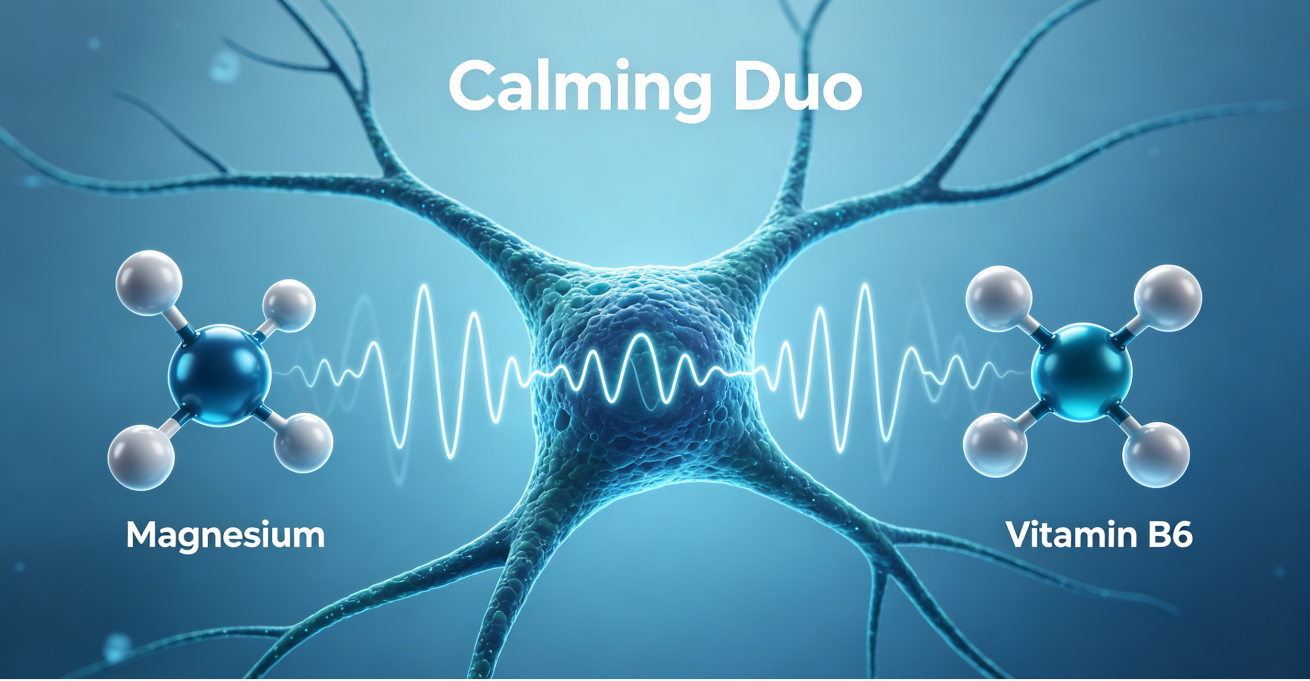
Formulation Tip: In product lines targeting stress management, mood support, or women‘s health, the magnesium-plus-vitamin B6 combination is a clinically validated and effective choice.
Zinc plays a critical role in the absorption, transport, and utilization of vitamin A. Zinc deficiency impairs the release of vitamin A from the liver into the bloodstream, thereby interfering with its function in vision maintenance and immune health. A randomized double-blind intervention trial in children aged 12-35 months found that after combined zinc and vitamin A supplementation, only 13.3% of children remained vitamin A deficient, compared to 37.5% in the vitamin-A-only group and 40.6% in the zinc-only group.
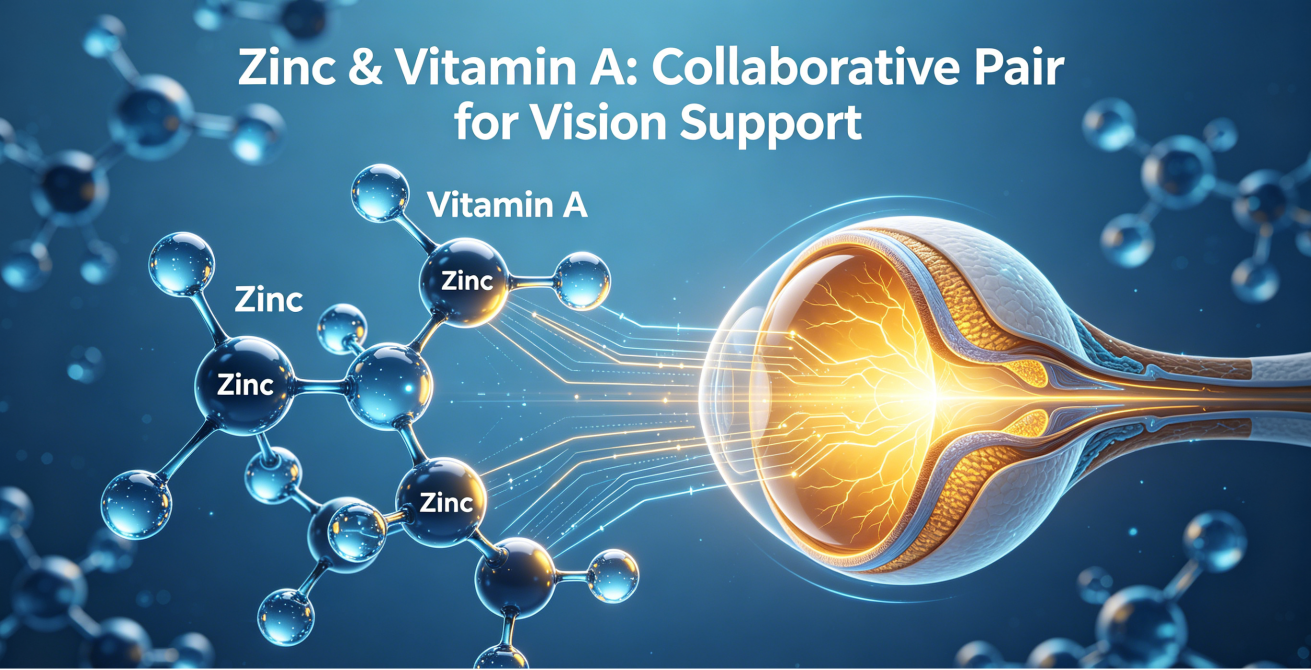
Formulation Tip: In products targeting vision health or pediatric nutrition, consider pairing zinc with vitamin A to achieve more comprehensive nutritional support.
Vitamin C has reducing properties that convert poorly absorbable ferric iron (Fe³⁺) into more absorbable ferrous iron (Fe²⁺), significantly improving iron absorption. Among populations relying primarily on plant-based diets, vitamin C supplementation has important public health implications for improving iron status.
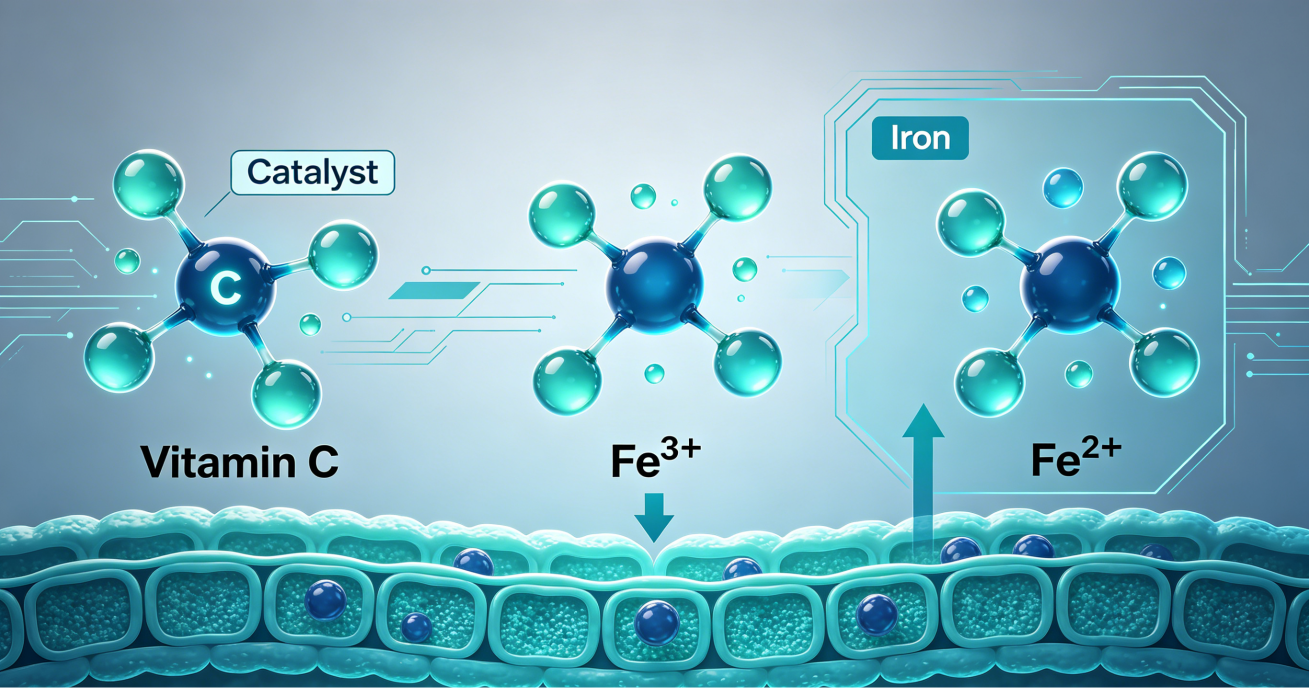
Formulation Tip: In iron-centric products (such as those for blood support), adding appropriate amounts of vitamin C can effectively enhance the product‘s real-world performance.
Vitamin E + Selenium: Selenium is a core component of glutathione peroxidase, while vitamin E is a fat-soluble antioxidant — the two work together synergistically in free radical scavenging
Vitamin K + Vitamin D: Vitamin D promotes calcium absorption, while vitamin K helps deposit calcium into bones, forming a complete bone health support pathway
B-Vitamin Complex + Magnesium: Magnesium participates in numerous enzymatic reactions in energy metabolism, and B vitamins serve as key coenzymes for these metabolic processes — the pair has strong synergy in energy-support formulations
When certain nutrients are present together, they may compete for shared absorption pathways or interfere with each other’s metabolic processes, reducing overall utilization. Understanding these antagonistic relationships is not about excluding any ingredient, but about designing formulas and usage guidelines more scientifically. Here are some key antagonistic pairs to consider:
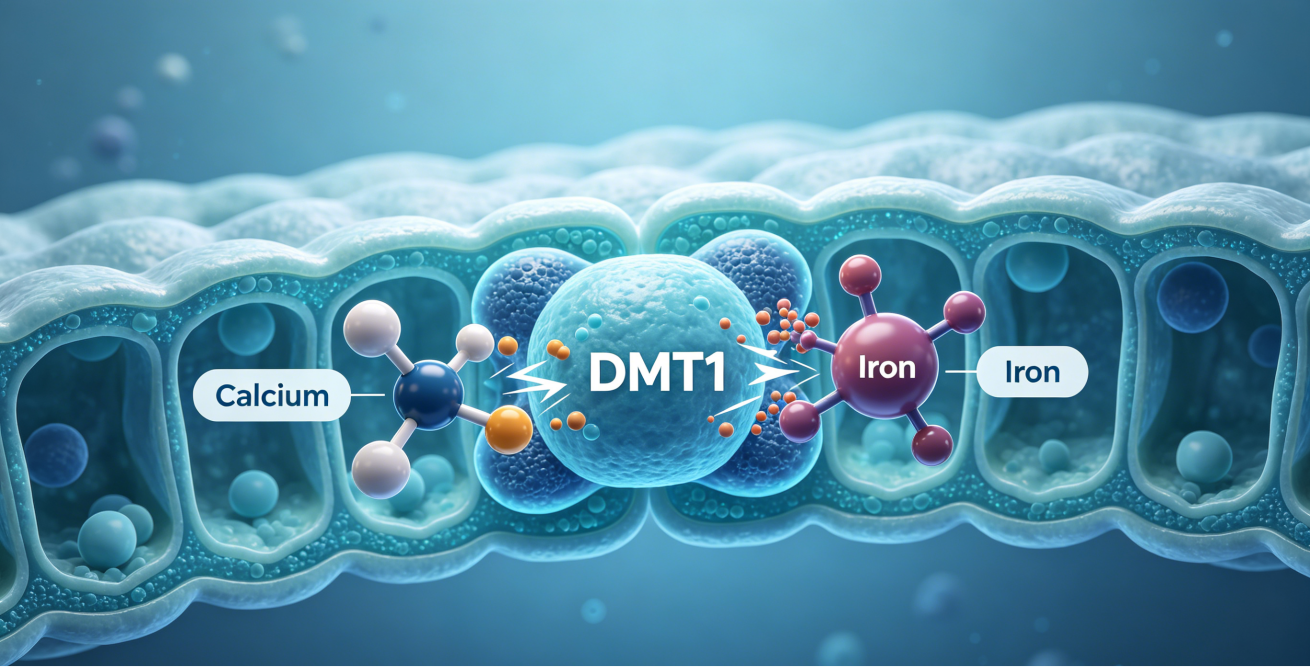
Calcium and iron can compete for the same transport protein DMT1 (divalent metal transporter 1) during intestinal absorption. Research shows that high concentrations of calcium can inhibit iron uptake in a dose-dependent manner through reversible noncompetitive inhibition of DMT1 activity.
However, multiple long-term supplementation studies indicate that prolonged high calcium intake does not produce clinically significant adverse effects on iron status, suggesting adaptive or compensatory mechanisms in the body. This means the two can coexist in long-term supplement regimens.
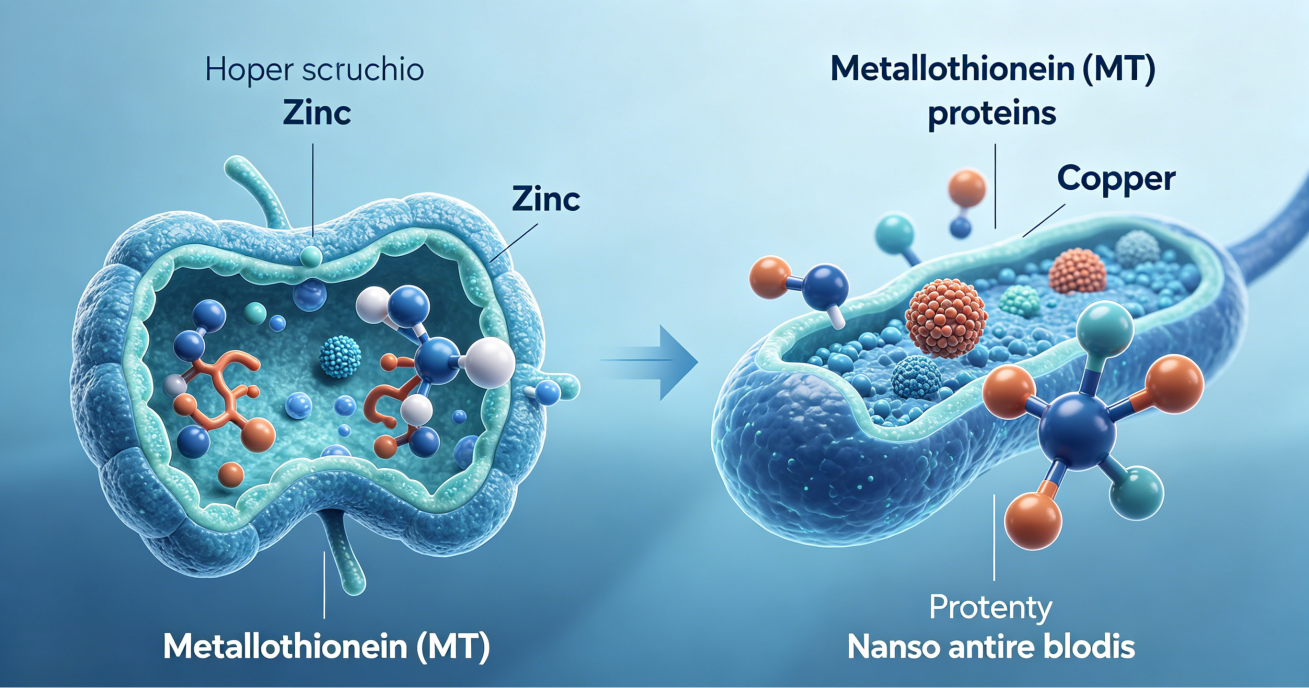
Excessive zinc intake can interfere with copper absorption and metabolism. Zinc induces the synthesis of metallothionein (MT), which has a much higher binding affinity for copper than for zinc, trapping copper and preventing its normal absorption, potentially leading to copper deficiency.
High-dose Calcium vs. Zinc: Similar to its mechanism with iron, high-dose calcium can affect zinc absorption. Separate timing or staggered supplementation is recommended.
Zinc vs. Iron: Both share common intestinal transport proteins, and high concentrations of one can affect the other‘s absorption. In multi-mineral formulations, this can be mitigated by controlling single-dose levels.
Vitamin C vs. Copper: Very high doses of vitamin C may interfere with copper metabolism. Careful consideration of copper status is warranted during long-term high-dose vitamin C use.
Manganese vs. Iron: Manganese and iron share the DMT1 transport pathway, and high-dose manganese may inhibit iron absorption.
Faced with these complex nutrient interactions, the core approach to formulation design should focus not on avoidance, but on optimization. Key strategies include:
For nutrient pairs with significant antagonism (e.g., calcium and iron, high-dose calcium and zinc), time-staggered supplementation is a classic and consumer-understandable strategy. Recommend taking the conflicting nutrients at different meals or at different times of the day.
Advanced chelated mineral forms (such as bisglycinate chelates) have unique molecular structures that make them less susceptible to interference from other nutrients during absorption. These forms have been shown to offer better compatibility and consistent absorption in multi-nutrient formulations, representing a direction of ongoing formulation advancement.
When antagonistic nutrients must be included in the same formulation, precisely control their respective amounts and ratios to keep the antagonistic effect within an acceptable range. Complementary use of absorption enhancers such as vitamin C or citrates can also help offset potential interactions.
Using microencapsulation, sustained-release particles, and other delivery technologies can stagger the release and absorption regions of different nutrients in the digestive tract, further reducing the practical impact of antagonistic interactions. This strategy has been implemented in certain premium multi-nutrient products.
Conduct regular human absorption studies or clinical evaluations of multi-ingredient formulations to verify the actual impact of antagonistic components, providing real-world data support for ongoing formulation optimization.
The relationships between vitamins and minerals are complex — some act in well-coordinated synergy, while others compete or interfere with each other. Understanding these interactions is not about making formulations needlessly complicated or restrictive, but about the scientific application of each ingredient so they can each perform their respective functions optimally.
For brands, a formulation that thoughtfully considers the synergy and antagonism between nutrients, and employs scientific strategies to manage them, lays the foundation for products that stand out in efficacy, quality, and consumer trust.
The best nutritional formulas are not defined by how many ingredients they contain, but by how well each ingredient is positioned to deliver its intended value.
Also See
Magnesium: The Unsung Workhorse of Your Body
Ferrous Bisglycinate: When Iron Supplementation No Longer Means Stomach Discomfort