




Jul 01-2026
From Market Trends to Business Growth: How Zhaoyi Bio Chelated Glycinates Help Supplement Brands Win in a Competitive Market
READ MORE >
Ever wonder why you can sleep eight hours and still wake up feeling like you got hit by a truck? Why your calf suddenly seizes up in the middle of the night, leaving you writhing in pain? Why your heart decides to throw in an extra beat for no apparent reason?
Don't blame the universe just yet. The problem might be a tiny mineral you've never given a second thought: magnesium.
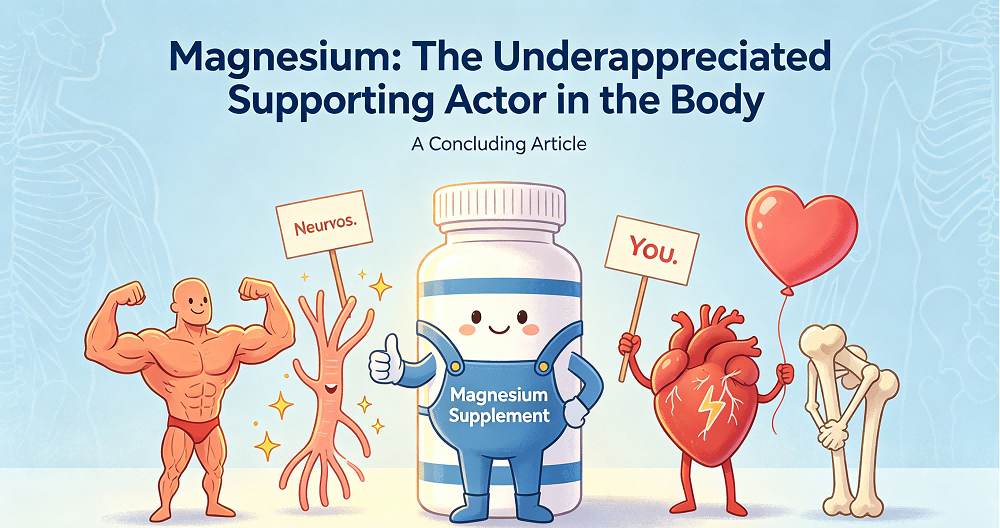
It doesn't have the spotlight like calcium, the "bone guardian." It's not constantly mentioned like iron, the "blood booster." Magnesium is that quiet, senior employee in your body who never says a word but fixes every mess. You don't notice it—until it's gone, and everything starts falling apart.
Today, let's shine a light on this behind-the-scenes boss.
.png "behind-the-scenes_-boss(1).png")
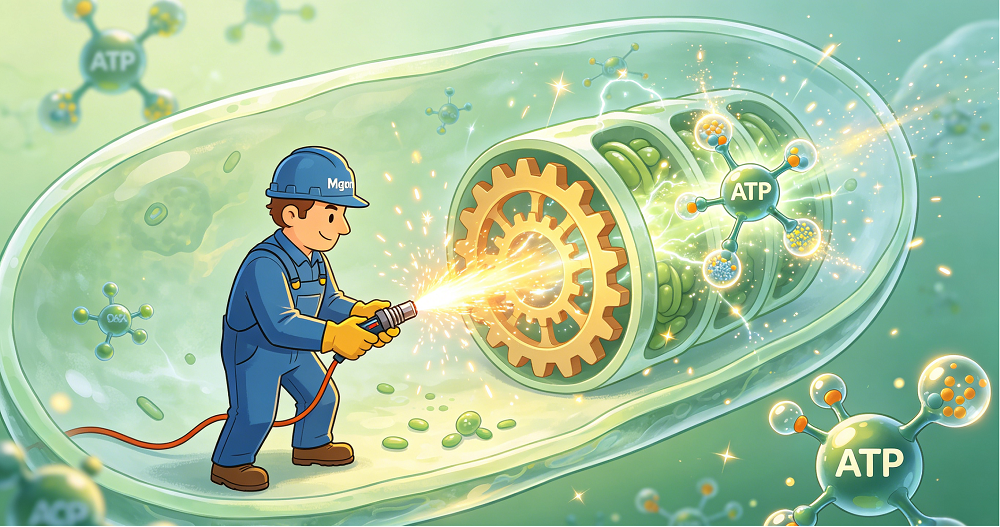
Imagine every one of your cells is a tiny power plant. The fuel is food (carbs, fats). But fuel alone won't do anything—someone has to light the match.
That "match striker" is magnesium.
Every bite of food you eat, before it turns into the energy molecule ATP (the stuff that lets you move, think, breathe), must be activated by magnesium. Without it, ATP is just a pile of useless cash you can't spend. So when you feel "dead tired, and sleep doesn't help" — your energy ignition system might be broken.
Magnesium is the worker silently shoveling coal into the furnace. It never makes a sound, but without it, the whole assembly line grinds to a halt.
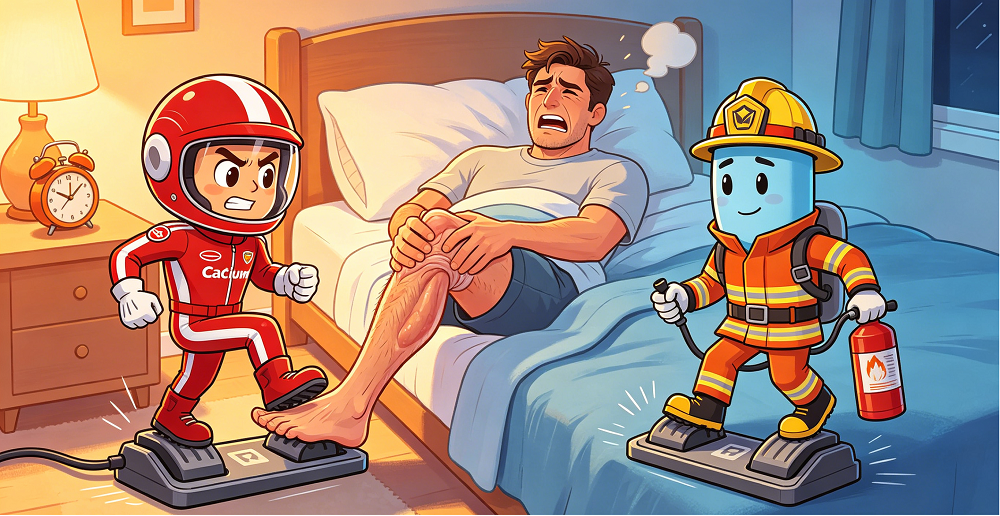
Ever experienced this nightmare: you're sleeping peacefully, and suddenly your calf turns into a rock-hard brick, jolting you upright in agony?
That's your muscle staging a rebellion. For a muscle to contract, calcium hits the gas. For it to relax, magnesium hits the brake. Calcium and magnesium are like two squabbling buddies—one pushes forward, the other pulls back. When they work together, your muscles flow smoothly.
But modern diets are often "high calcium, low magnesium." Calcium is worshipped nonstop (milk, supplements). Magnesium gets ignored. The result? Gas pedal slammed to the floor, brakes malfunctioning—no wonder you cramp!
Magnesium is that firefighter who silently slams the brake for you in the dead of night. A little magnesium before bed can drastically lower your chances of being rudely awakened by a "rock leg." For those looking to increase magnesium intake efficiently, a chelated magnesium supplement such as magnesium glycinate may offer better absorption and support healthy muscle relaxation throughout the night.
Ever lie in bed with your brain on full-blown comment-section mode, screen flooding with: "What about that proposal tomorrow?" "What did he really mean by that?" "Did I leave the gas on?"
That's called brain overload.
The nerve cells in your brain are like a bunch of neighbors throwing an endless party. Magnesium's job is to help turn down the volume—especially the "excitatory" signals that make you anxious and tense. Magnesium helps regulate a neurotransmitter called GABA—your brain's built-in lullaby.
Low on magnesium? That's like trying to sleep while the neighbors are drilling. Enough magnesium? It's like putting on noise-canceling headphones—the world goes quiet. That's why so many people find that after supplementing magnesium, they fall asleep faster, sleep deeper, and even dream sweeter.

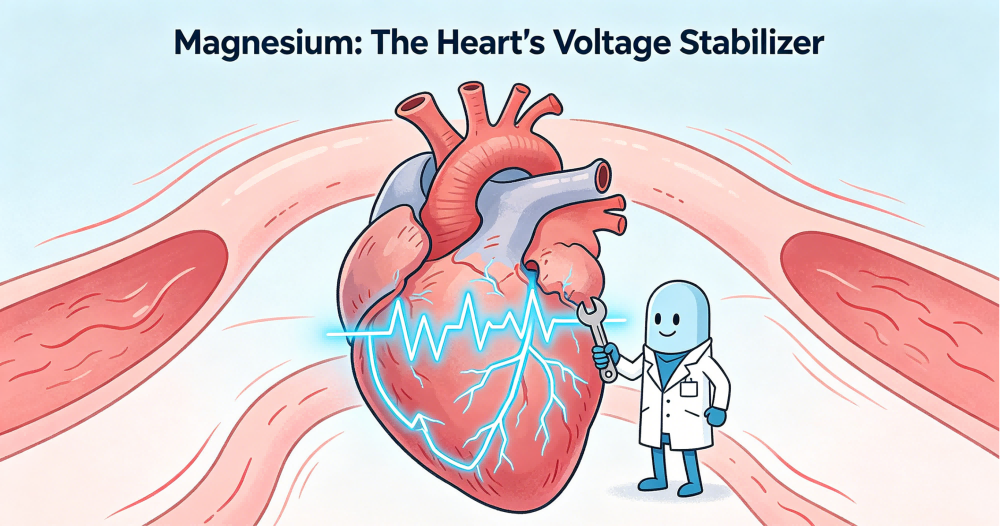
Your heartbeat is controlled by a delicate sequence of electrical signals. Magnesium is the programmer making sure those signals don't get garbled.
It helps maintain a normal heart rhythm and prevents early or skipped beats. At the same time, magnesium relaxes the smooth muscle in your blood vessels, helping to regulate blood pressure. That's why doctors often recommend magnesium for people with high blood pressure or arrhythmias—not because it "cures" anything, but because it helps the heart beat more calmly.
Think of magnesium as your heart's emotional manager: when the heart gets anxious, it soothes it; when it gets chaotic, it sorts it out.
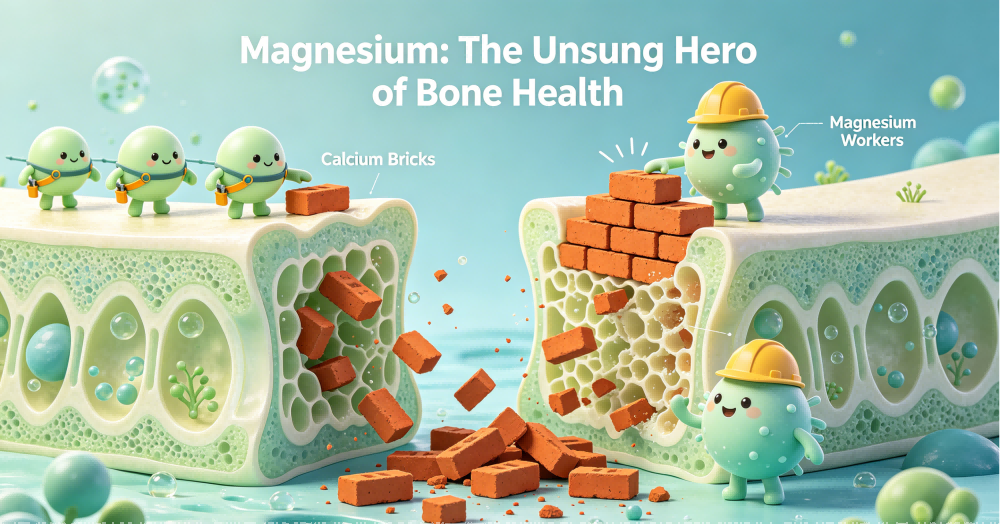
When people think of bones, their first thought is always "calcium!" But did you know that magnesium is the second most abundant mineral in bone, and without magnesium, calcium can't even get in?
Magnesium helps "shuttle" calcium from your blood into your bones and activates osteoblasts (the bone-building workers). If you only take calcium without magnesium, it's like delivering tons of bricks to a construction site where all the workers have gone on strike. You'll never build a house.
Worse, when you're low on magnesium, your body will actually steal magnesium from your bones to keep your heart and brain running. So you're chugging calcium supplements, but your bones are getting weaker.
Want strong bones? Pair magnesium with calcium — they're truly the ultimate power couple.
Ever notice that when you're stressed, anxious, or feeling down, you suddenly crave chocolate?
It's not because chocolate is sweet. It's because dark chocolate is rich in magnesium. Your body is instinctively crying out: "Give me magnesium!"
Magnesium helps produce serotonin—that "happy molecule" that makes you feel joyful and relaxed. People low in magnesium are more irritable, short-tempered, and even prone to depression. Conversely, getting enough magnesium is like parting the clouds over your emotional sky, helping you feel calmer and brighter.
So next time you're in a funk, don't just blame Mercury retrograde—you might just be low on magnesium.

After all this, you might ask: "So what should I eat?"
Good news: magnesium is hiding in plenty of natural foods:
Dark leafy greens (spinach, kale) — because chlorophyll's core is magnesium
Nuts and seeds (pumpkin seeds, almonds, cashews)
Legumes (black beans, lentils)
Whole grains (oats, brown rice)
Bananas, avocados
Dark chocolate (70% or higher)
Bad news: modern processed diets leave most people deficient. You might want to consider supplementing if you:
Are stressed out and pulling all-nighters
Exercise heavily (you lose magnesium in sweat)
Are middle-aged or elderly with poor gut absorption
Take certain long-term medications (like diuretics or acid blockers)
Not all magnesium supplements are created equal. The effectiveness of a magnesium product largely depends on the magnesium salt used in the formulation.
Common magnesium salts include:
Magnesium Glycinate
Magnesium Citrate
Magnesium Glycerophosphate
Magnesium Lactate
Magnesium Oxide
Each magnesium salt offers unique advantages in terms of elemental magnesium content, absorption rate, and application requirements.
For dietary supplement brands and manufacturers, partnering with an experienced magnesium salt manufacturer is essential for ensuring ingredient quality, consistency, regulatory compliance, and long-term supply stability.
YT Zhaoyi Bio supplies a variety of high-quality magnesium salts for nutraceutical, dietary supplement, and functional food applications worldwide.
Magnesium isn't a miracle drug. But it is the most underappreciated supporting actor in your body. Without it, the lead actors can't perform.
Starting today, be kind to this behind-the-scenes workhorse. Choose a gentle magnesium supplement. Your muscles, nerves, heart, bones—and even your mood—will quietly whisper to you:
"Thanks, buddy."
— Your Body