
Aug 25-2026
From Ingredient List to Trust: The Consumer Cognitive Upgrade Every Sourcing Professional Needs to Understand
READ MORE >
Magnesium acetylglycinate is a modified amino acid magnesium salt formed by chelating acetylglycine with magnesium ions. It's an acetylated derivative of magnesium glycinate and is commonly used as a highly stable, new type of magnesium supplement, as well as in daily chemical products and pharmaceutical intermediates.

| molecular weight | 256.49 g/mol |
| molecular formula | C8H₁2MgN2O6 |
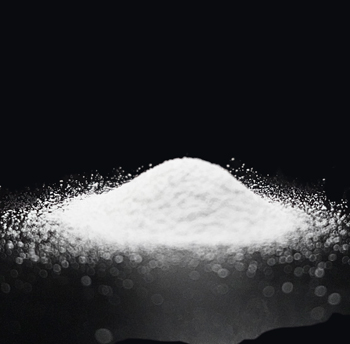
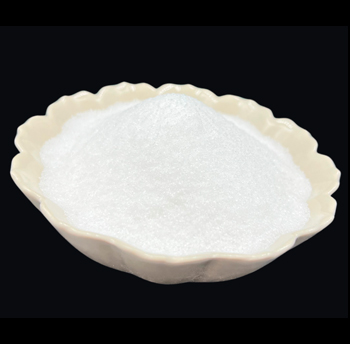
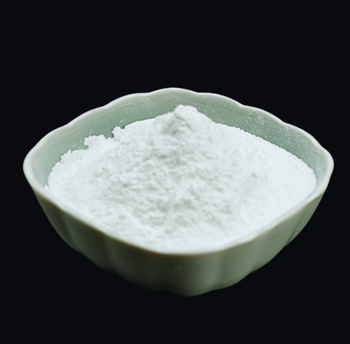
| Appearance | White |
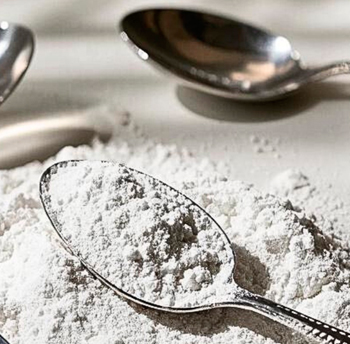
| Form | Off-white crystalline fine powder |
| solubility(25℃) | - Water: Easily soluble in water, clear and stable solution; acetyl modification improves both fat and water affinity, dissolves faster than magnesium glycinate - Ethanol: Slightly soluble; fats, ether, alkanes, acetone are poorly soluble or insoluble |
| flavor | Almost tasteless, slightly sour, hardly any bitter taste typical of magnesium salts |
| melting point | >272°C, decomposes when heated, no clear single melting point |
| boiling point | Decomposes before boiling at normal pressure, no measured boiling point data |
1. High absorption, gentle magnesium supplement, almost no diarrhea
2. Promotes calmness and better sleep, helps relieve anxiety
3. Mildly brain-penetrating, eases mental fatigue, relaxes nerves
4. Muscle relaxation, reduces cramps, aids workout recovery
5. Supports cardiovascular health
6. Antioxidant and cell repair
1. Development of new dietary supplement formulas
2. Biochemical research reagents
3. Pharmaceutical intermediate development
4. Raw materials for skincare product testing