
Aug 25-2026
From Ingredient List to Trust: The Consumer Cognitive Upgrade Every Sourcing Professional Needs to Understand
READ MORE >
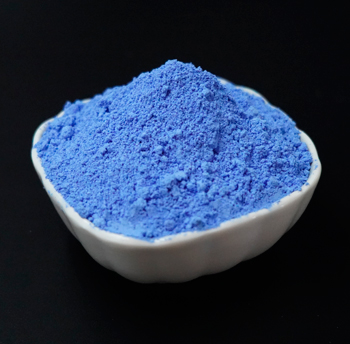
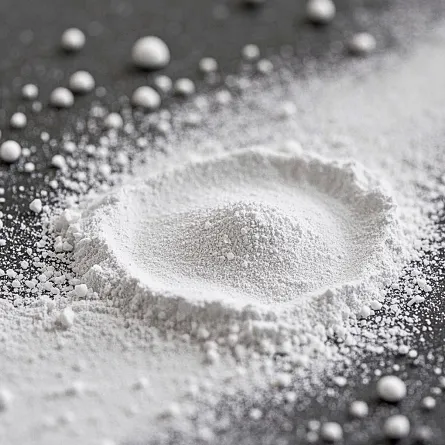
Lithium succinate is an organic lithium salt made by neutralizing L-succinic acid with lithium ions. It's a new type of organic acid-coordinated lithium source and is mostly used in nutrition research, pharmaceutical intermediates, and research for materials related to the nervous system.
| Sodium Alginate | 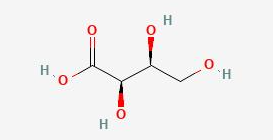 |
| molecular weight | 142.04 |
| molecular formula | C4H7LiO5 |
| solubility(25°C) | Water: Very soluble, water solution is clear and transparent Ethanol, Methanol: Slightly soluble; fats, acetone, ether, alkanes: insoluble |
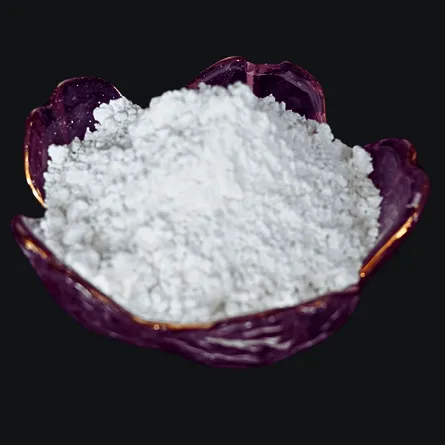
| color | White |
| state | off-white crystalline fine powder |
| melting point | >270°C, decomposes when heated, no definite single melting point |
| boiling point | Decomposes before boiling under normal pressure, no measured boiling point |
Core Advantage: Sucrate-mediated, efficient brain delivery of lithium.
Sucrate is a natural intermediate in vitamin C metabolism, with inherent blood-brain barrier transport properties. Compared to traditional lithium salts (lithium carbonate, lithium lactate), it has higher brain tissue enrichment efficiency and better oral tolerance.
Mood stabilization and anxiety relief: Classic lithium targets inhibit GSK-3β kinase, regulate dopamine and serotonin neurotransmitters, and stabilize mood swings. Small doses can ease irritability, restlessness, and generalized anxiety. Clinically, high doses are used for bipolar disorder, while this product is suitable for micro-dose mood support.
Neuroprotection, slowing brain aging, and cognitive improvement: Upregulates BDNF (brain-derived neurotrophic factor), promotes hippocampal neuron regeneration, and enhances synaptic plasticity. Inhibits abnormal deposition of β-amyloid and tau proteins, showing potential for brain fog, memory decline, and cognitive aging in middle-aged and older adults. Helps with attention issues caused by long-term late nights and high brain workload.
Anti-neuroinflammation and antioxidant: Reduces chronic central nervous system inflammation, clears brain free radicals, and alleviates excitatory glutamate neurotoxicity. Supports relief of chronic migraines and stress-induced neural damage.
Sleep regulation: Balances central nervous system excitation, reduces overthinking and vivid dreams before sleep, improves light sleep without risk of sedative dependence.
Bone metabolism support: Regulates the balance of osteoblasts and osteoclasts and, combined with sucrate’s bone metabolism activity, has potential to help maintain bone density.
Gastrointestinal friendliness: Organic lithium salts dissociate slowly, avoiding nausea, upset stomach, or burning sensation linked to inorganic lithium salts. Micro doses are better tolerated long-term.
1. Neuropharmacology research
2. Preliminary research on new brain-boosting and mood formulas
3. Development of pharmaceutical intermediates
4. Basic research in cosmetics