Aug 25-2026
From Ingredient List to Trust: The Consumer Cognitive Upgrade Every Sourcing Professional Needs to Understand
READ MORE >
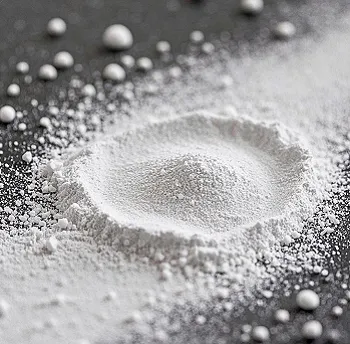
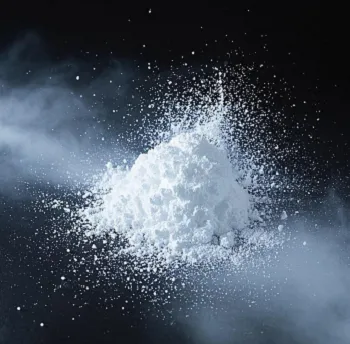
Sodium butyrate is the sodium salt form of butyric acid. In the body, it breaks down into sodium ions and butyric acid, which can provide energy for colon cells, help repair the gut lining, and regulate gut bacteria. It's a common ingredient for gut health and a feed additive.
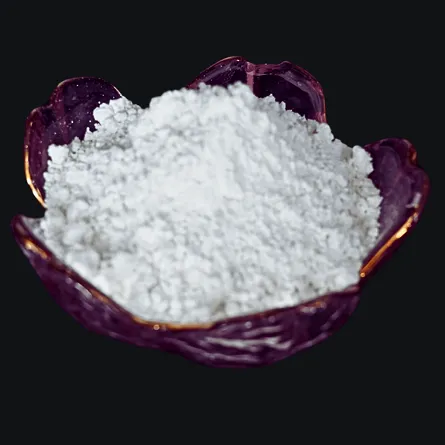
| Cas | 156-54-7 |
| molecular weight | 110.09 |
| molecular formula | C4H7NaO2 |
| Water solubility(25°C) | Water: Water: very easily soluble, dissolves extremely fast. Soluble in methanol and ethanol; slightly soluble in ether, acetone, and fats. |
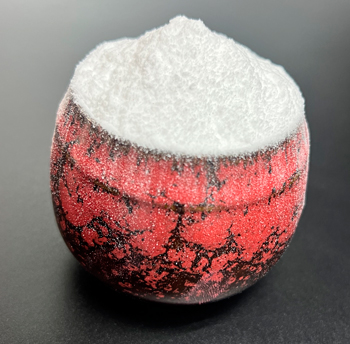
| color | White |
| state | White / off-white crystalline powder |
| Smell/taste | A strong sharp rancid cheese smell (common to butyrates, most pungent) |
1. Main energy source for colonic epithelium
Butyrate provides over 70% of the energy for colon cells, promotes villus proliferation, upregulates tight junction proteins, repairs leaky gut, and reduces intestinal permeability; it also helps with irritable bowel syndrome, chronic colitis, and recurrent bloating and diarrhea.
2. Regulates gut microbiota
It inhibits the growth of harmful bacteria like E. coli and Salmonella, while enriching butyrate-producing beneficial bacteria like Bifidobacteria and Lactobacillus, helping to balance both constipation and diarrhea.
3. Systemic anti-inflammation – HDAC (histone deacetylase) inhibitor
It inhibits the NF-κB inflammation pathway and downregulates pro-inflammatory factors like TNF-α and IL-6; by inhibiting histone deacetylation, it regulates cell proliferation and differentiation, and is used in anti-tumor and metabolic syndrome research; it also improves insulin resistance and aids in regulating blood sugar and lipids.
4. Gut-brain axis regulation
Small amounts of butyrate can cross the blood-brain barrier, inhibit inflammation in brain microglia, increase BDNF, and relieve anxiety, mental fatigue, and mood disorders.
5. Feed-specific: appetite stimulation, anti-stress, anti-diarrhea
Its special smell strongly stimulates young animals to eat, increasing feed intake; it can replace antibiotics and zinc oxide, reduce post-weaning diarrhea in piglets, relieve farming stress, and improve feed conversion.
1. Feed additive
2. Food industry
3. Medicine and research
4. Overseas dietary supplements
5. Daily chemicals and organic synthesis