
Aug 25-2026
From Ingredient List to Trust: The Consumer Cognitive Upgrade Every Sourcing Professional Needs to Understand
READ MORE >
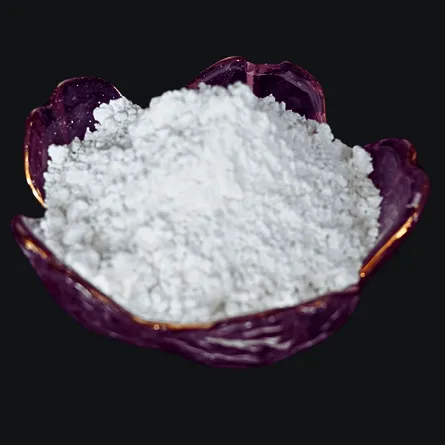
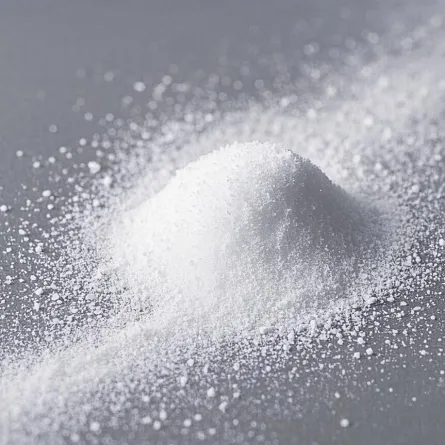
Acetylsucronic acid is a general term for a type of organic acid derivative formed when the hydroxyl groups in L-sucronic acid molecules are replaced by acetyl groups (−COCH3) through esterification. It belongs to the acetylated products of sucronic acid. As an acetate ester derivative of hydroxycarboxylic acid, the molecule still retains its original carboxyl group, is acidic, and can form salts.
| molecular weight | 178.14 |
| molecular formula | C6H10O6 |
| solubility(25°C) | - Water: Easily soluble, water solution clear; better solubility than native sucronic acid - Ethanol, methanol: Soluble (significantly more fat-soluble than sucronic acid) - Acetone, fats, ether, alkanes: Slightly soluble / insoluble pH of aqueous solution: 1% water solution pH 3.8–5.2, weakly acidic |
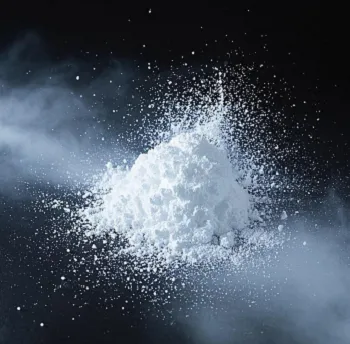
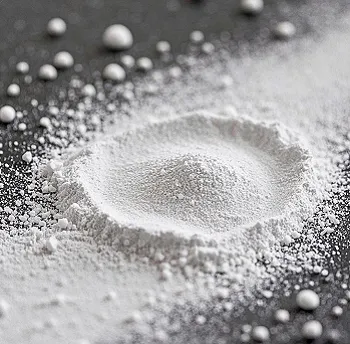
| color | White |
| state | Off-white crystalline powder |
| melting point | >265°C, decomposes on heating, no clear single melting point |
| boiling point | Decomposes before boiling under normal pressure, no boiling point data |
· Improved Membrane Permeability: Acetylation increases amphiphilicity, making it more efficient than regular sucralate at crossing cell membranes and the blood-brain barrier; when chelated with magnesium, it can deliver magnesium ions to brain tissue more quickly.
· Metabolism in the Body: Once in the body, esterases slowly hydrolyze it to release L-sucralate and acetic acid. Sucralate participates in vitamin C metabolic pathways, and acetic acid provides normal energy metabolism without toxic accumulation.
· Stronger Antioxidant Activity: It retains the antioxidant properties of sucralate, and the acetyl groups help scavenge free radicals, reducing oxidative stress and neuroinflammation in nerve cells.
· Lower Gastrointestinal Irritation: More gentle on the stomach, almost no acid irritation after chelation into a salt form, suitable for long-term oral nutritional formulas.
1. Core upstream raw material: Used to synthesize magnesium acetyl sugar
2. Biochemical research reagent
3. Pharmaceutical intermediate development
4. Raw material for skincare product development